
Key Highlights
- Earthquake Impact:A powerful earthquake struck Kumamoto Prefecture, Japan, causing significant damage and triggering numerous aftershocks.
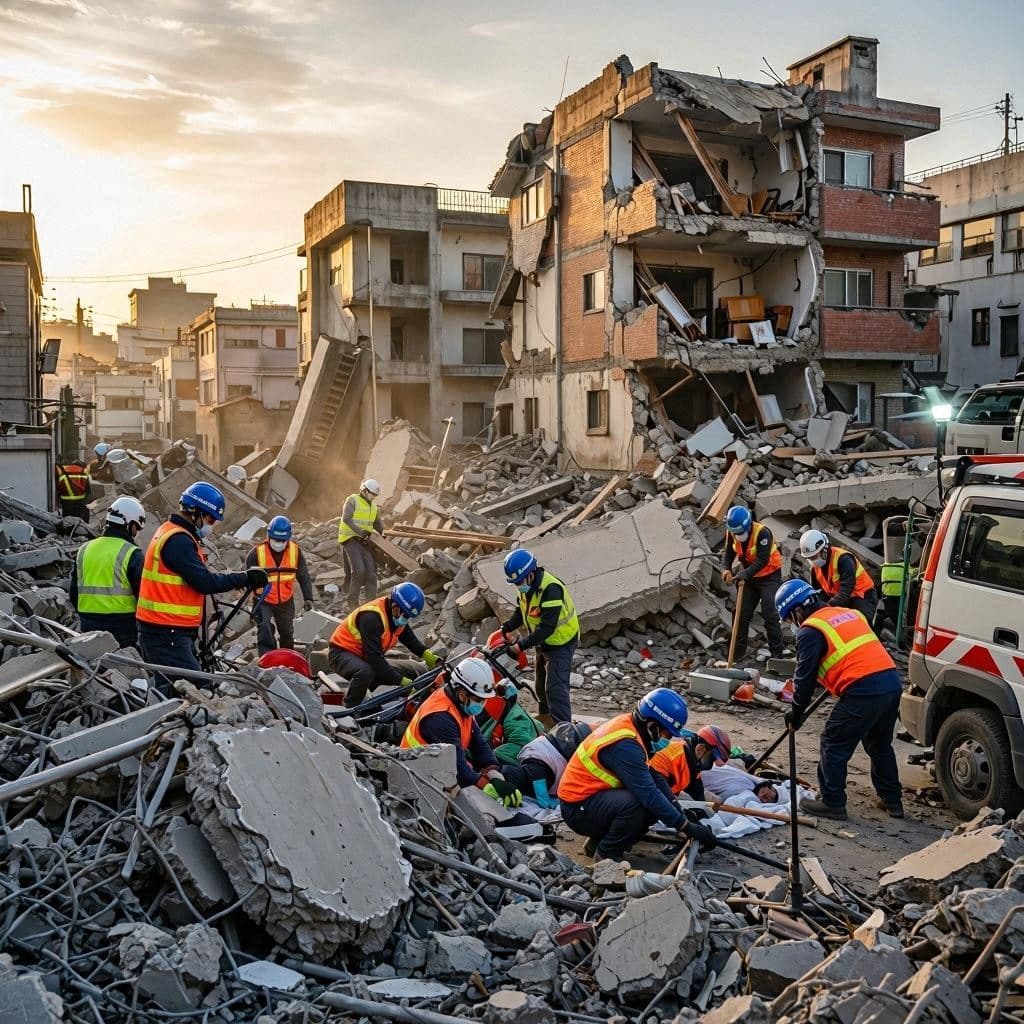
- Rescue Operations:Emergency teams are actively searching for survivors amid ongoing aftershocks, with at least 13 confirmed fatalities.
- Community Response:Thousands of residents face disruptions to essential services, while local authorities coordinate recovery efforts.
The ground often falls silent long before a community begins to recover. In the wake of a major earthquake, every unexpected tremor becomes a reminder that nature's story rarely ends with a single moment of upheaval. Across southwestern Japan, residents have continued living through that uncertainty as hundreds of aftershocks followed a devastating earthquake, challenging rescue efforts while communities searched for stability amid disruption.
The powerful earthquake struck Kumamoto Prefecture on the island of Kyushu, causing extensive structural damage, fires, landslides, and widespread interruptions to electricity and water services. Rescue teams were immediately deployed to collapsed buildings, damaged industrial facilities, and residential neighborhoods as emergency officials worked to locate survivors and assist thousands of displaced residents.
In the hours and days following the main shock, the Japan Meteorological Agency recorded more than 100 aftershocks across the affected region. Although most were smaller than the initial earthquake, several were strong enough to be widely felt, increasing concerns about weakened buildings and triggering additional evacuations. Seismologists explain that aftershocks are a normal consequence of large earthquakes as stressed sections of the Earth's crust gradually adjust after the main rupture.
Early official reports confirmed at least 13 fatalities, while dozens of people were injured and others remained missing. Rescue operations continued around the clock at several heavily damaged locations, including an industrial complex and a shopping center, where emergency crews carefully searched unstable structures using specialized equipment and trained rescue dogs. As operations progressed, authorities later revised the death toll upward as additional victims were recovered.
The disaster also disrupted essential services across the region. Tens of thousands of households experienced interruptions to electricity and water supplies, forcing many residents into temporary evacuation centers. With daytime temperatures climbing into the summer heat, emergency workers distributed drinking water, cooling equipment, and medical assistance while monitoring evacuees for heat-related illnesses.
Japan's extensive earthquake preparedness system played a central role in the emergency response. Local governments, the Self-Defense Forces, firefighters, police officers, and medical teams coordinated rescue efforts while engineers inspected roads, bridges, and public buildings for structural safety. Authorities repeatedly urged residents to remain alert because significant aftershocks can occur days after a major earthquake.
The earthquake also affected regional industries, with several manufacturing facilities temporarily suspending operations while damage assessments were completed. Transportation networks experienced delays, and utility restoration became a priority as officials worked to return essential services to affected communities without compromising public safety.
As rescue and recovery efforts continue, the sequence of aftershocks serves as a reminder that the effects of a major earthquake extend well beyond the initial shaking. While engineers rebuild damaged infrastructure and families begin the difficult process of recovery, scientists will continue monitoring seismic activity, helping communities prepare for whatever the restless landscape may bring next.
Published by Banx Network. This article is part of the Banx decentralized media programme, powered by the BXE token on the XRP Ledger.



