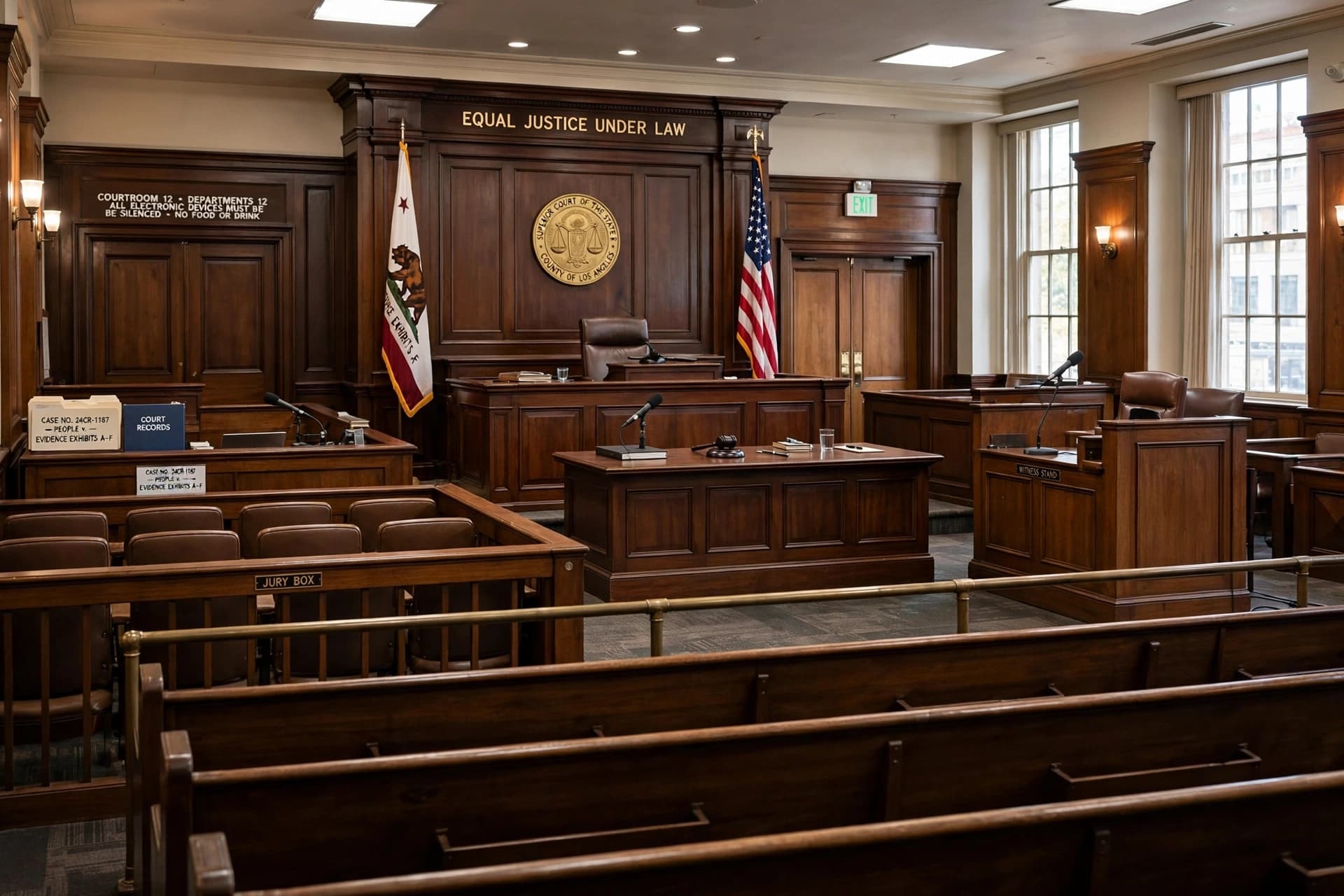
There is a particular intimacy to a courtroom that no other public space quite replicates—a room where the most private conversations are read aloud, where friendships are examined under oath, and where a person's life is reconstructed piece by piece by those who once shared it. For the past several weeks, the public has watched that process unfold in the New South Wales Supreme Court, as former friends and colleagues of Beau Lamarre-Condon have taken the stand to testify against the man accused of murdering Jesse Baird and Luke Davies. The accused, a former senior constable, has pleaded not guilty, arguing self-defence in two separate struggles. But the witnesses who have come forward describe something different: a man consumed by obsession, jealousy, and a disturbing capacity for deception .
The testimony has been remarkable not only for its content but for the window it offers into the months and years before the alleged murders. Georgia Cook, a former close friend, told the court about a dinner conversation in May 2023—nine months before the deaths—in which Lamarre-Condon asked her what she would do if she had killed someone. When she said she didn't know, he allegedly replied that he would take their belongings, put them in a dumpster, and take their bodies to bushland where no one would ever find them. Cook said the conversation left her feeling scared, and that she could never forget the words. The defence pressed her on why she continued to be friendly with him afterward, presenting photographs of them smiling together and text messages peppered with affection. Cook was unmoved. "I still stand by that I was scared," she insisted. "I could never forget these words being said to me, I could never forget" .
Other witnesses described a pattern of behavior that seemed to deepen over time. A former childhood friend testified about a video call three months before the alleged murders in which Lamarre-Condon made a gun gesture with his hands and asked if her partner could get him a gun. The defence challenged her recollection, suggesting he was actually checking on her safety from a violent partner. She rejected the suggestion firmly. Another friend told the court she felt pressured into allowing him to use her Instagram account to send a 1,600-word message to Jesse Baird, a message in which he falsely claimed to have cancer. The friend said she had been friends with the accused for seventeen years and that he had worn her down through guilt-tripping and emotional manipulation .
Within the police force, the testimony has been equally revealing. Senior Constable Alexandra Scobie, a former colleague, described conversations in late January 2024—weeks before the deaths—in which Lamarre-Condon asked whether phone records could be obtained if a device was switched off, and whether hire cars could be tracked. She found the questions strange, particularly from someone working at a Police Citizens Youth Club. He later called her in a rush to reassure her, saying, "I promise I'm not doing anything illegal." She also recalled his anger when discussing Baird's new relationship with Luke Davies, and her efforts to tell him he needed to move on and let it go .
Rubina Shrestha, a youth engagement officer at the PCYC, told the jury that Lamarre-Condon proudly boasted about going through Baird's phone to block a love rival. "He was very happy and proud of it," she said. When Baird discovered the alleged Instagram ruse and broke off contact, Lamarre-Condon's demeanor changed dramatically. Shrestha recalled him saying he would do anything to get Baird back, and that he was "really mad about it" .
Through it all, the accused has sat largely impassive, taking notes, occasionally blinking or shaking his head. But the cumulative weight of the testimony has drawn a portrait that the defence will have to address as the trial continues. The prosecution alleges Lamarre-Condon was driven by an obsessive infatuation with Baird, and that he entered Baird's Paddington home in February 2024 disguised as an Uber Eats driver, armed with his police pistol. The defence maintains that the shootings occurred during violent struggles, and that his actions afterward—cleaning the scene, disposing of the bodies—reflected panic rather than premeditation .
The trial is expected to last several months, with more than 100 witnesses slated to testify. For the public watching from outside the courtroom, the proceedings offer a rare and unsettling view of how a life can be reconstructed through the memories of those who knew it best—and how the most ordinary conversations can later take on a meaning no one intended them to carry.
AI Image Disclaimer: The images accompanying this article were generated by artificial intelligence and are for illustrative purposes only.
Sources: ABC News, The Nightly, 1News, Daily Mail
Published by Banx Network. This article is part of the Banx decentralized media programme, powered by the BXE token on the XRP Ledger.

.jpg&w=3840&q=75 "Prison Chief in Christa Pike Case Oversaw Five “Botched” Executions, Lawyers Say")