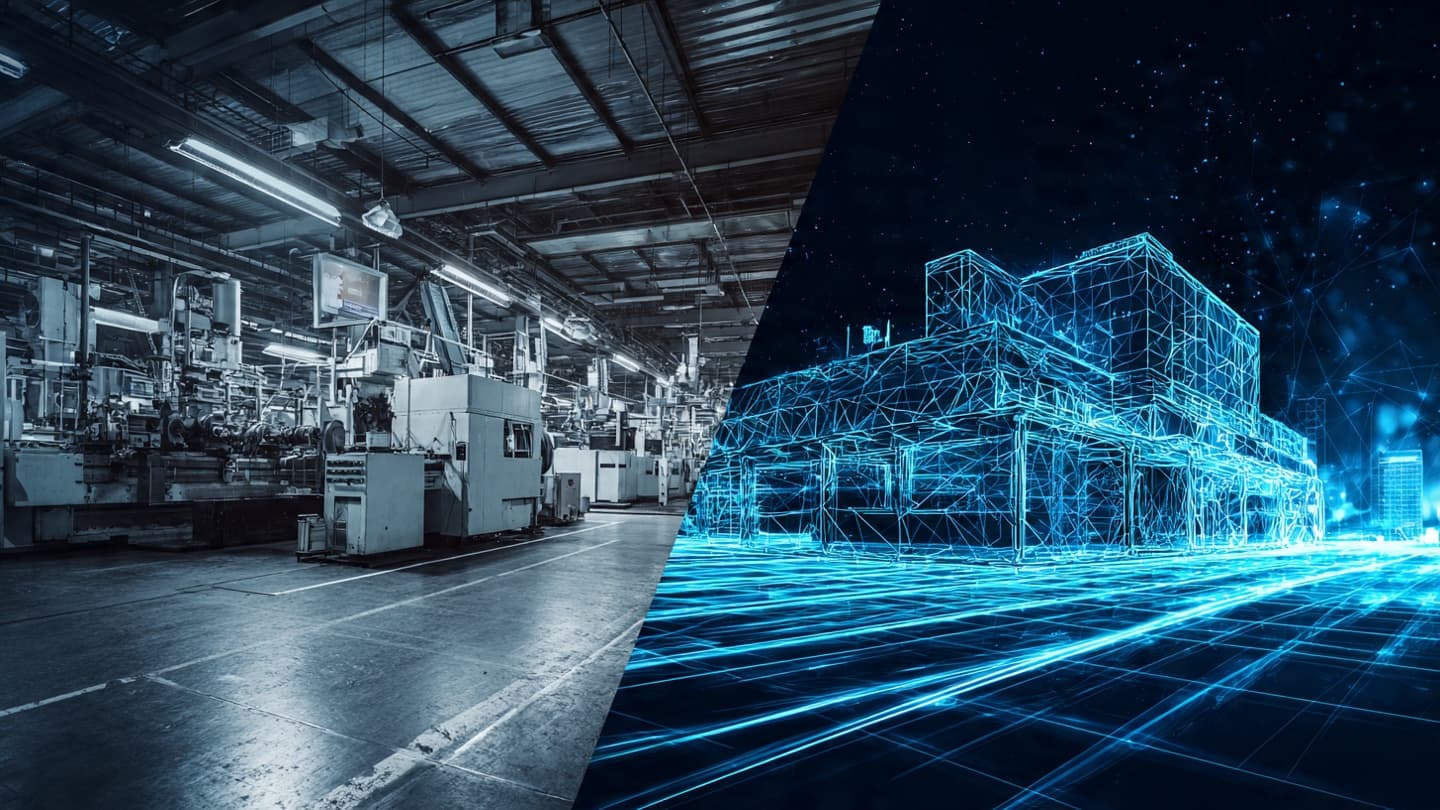
Imagine being able to test a new factory layout, predict machine failures, or optimize a supply chain without ever touching physical equipment. This is the promise of the "digital twin"—a virtual replica of a physical object, system, or process. Powered by real-time data from sensors and advanced simulation software, digital twins allow engineers and managers to monitor, analyze, and improve performance in a risk-free environment. From manufacturing plants to entire cities, this technology is transforming how we design, operate, and maintain complex systems.
In manufacturing, digital twins are used to simulate production lines before they are built. Engineers can identify bottlenecks, test different configurations, and optimize workflows virtually. Once the physical plant is operational, the digital twin continues to receive data from IoT sensors, allowing for predictive maintenance. By analyzing patterns in vibration, temperature, and energy usage, the system can predict when a machine is likely to fail, enabling repairs before breakdowns occur. This reduces downtime, saves costs, and extends equipment life.
The applications extend beyond factories. In healthcare, digital twins of human organs are being used to plan surgeries and test treatments. In urban planning, city-scale digital twins help manage traffic, energy consumption, and emergency responses. By simulating scenarios like floods or power outages, planners can develop more resilient infrastructure. The ability to visualize and interact with complex data in real-time enhances decision-making and strategic planning.
However, creating accurate digital twins requires massive amounts of high-quality data. Integrating data from disparate sources and ensuring its reliability is a significant challenge. Moreover, the computational power needed to run detailed simulations is substantial. Cloud computing and edge computing are enabling this processing, but infrastructure costs remain a barrier for smaller organizations. Cybersecurity is also a concern, as a compromised digital twin could lead to manipulated data and flawed decisions.
Collaboration is key to successful implementation. IT specialists, domain experts, and data scientists must work together to build and maintain these models. Interoperability standards are needed to ensure that different systems can communicate effectively. Open platforms and shared libraries can accelerate adoption and reduce development time.
As we look to the future, digital twins will become more sophisticated, incorporating AI to automate analysis and optimization. They will evolve from static models to dynamic, self-learning systems that adapt to changing conditions. The line between the physical and digital worlds will blur, creating a seamless feedback loop of improvement.
In the end, the digital twin is more than a tool; it is a new way of seeing. It allows us to understand complex systems in depth, anticipate problems, and innovate with confidence. By embracing this technology, industries can achieve greater efficiency, sustainability, and resilience. The future is not just built; it is simulated first.
Published by Banx Network. This article is part of the Banx decentralized media programme, powered by the BXE token on the XRP Ledger.