There is a particular kind of comeback that defies the arithmetic of politics, the kind that begins with a deficit and ends with a mandate. In Brazil, Luiz Inácio Lula da Silva accomplished something no presidential candidate had done since the country's return to democracy in 1985: he lost the first round and then won the presidency, turning a 2.2 million vote deficit into a decisive victory .
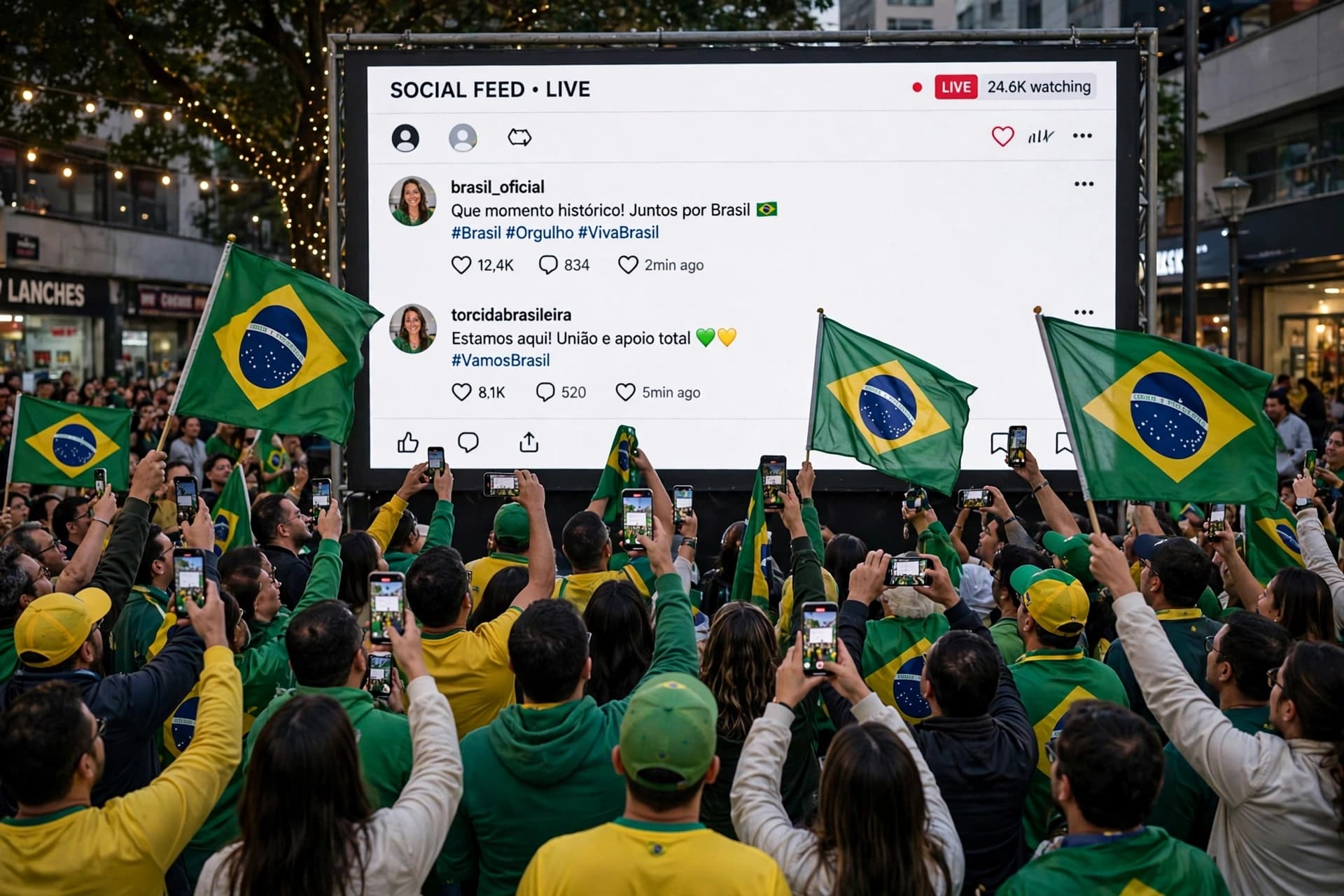
The turnaround was built on more than a million conversations, most of them digital. After the first-round defeat, a leftist lawmaker named André Janones issued a rallying cry on WhatsApp at six in the morning, calling on his followers to mobilize. What began as a channel with a few thousand subscribers grew into a digital army of ten million, flooding Brazil's phones with messages, memes, and reels . The campaign understood something essential about a chronically online nation: persuasion happens in the palm of the hand.
But the digital wave needed a shore to break upon. Lula's gains were concentrated in Minas Gerais, the state with Brazil's second-largest electorate, where he flipped a 590,000-vote deficit into a 99,000-vote lead—a swing of nearly 690,000 votes . He won all nine northeastern states and reversed the first-round result in Rio de Janeiro, the country's second-largest city. Geography, in Brazil, is never merely geography; it is a map of class, race, and region, and Lula's coalition reassembled the pieces that had once made him the most popular president in the country's history.
Turnout told its own story. Abstention fell from 21.08 percent in the first round to roughly 19.2 percent in the runoff, bringing nearly three million additional voters to the polls . That reversal—absenteeism typically rises in runoff elections—suggested that Lula had succeeded not only in persuading the undecided but in convincing those who already preferred him that their votes mattered. The stakes, as his campaign framed them, were not merely policy but sovereignty, a rejection of what many Brazilians saw as American interference in their politics .
The coalition Lula assembled was broader than his own party. Nine million people had voted for minor conservative candidates in the first round, and analysts believe a significant slice of those voters chose Lula in the runoff rather than Flávio Bolsonaro . Leandro Cantini Lopes, a 38-year-old restaurant consultant in Rio, described himself as "much more of a right-wing guy—but not the far right that exists now" . The Bolsonaro brand, with its vows to amnesty the imprisoned former president and impeach the justices who jailed him, proved too much for some moderates to swallow.
Flávio Bolsonaro refused to recognize the result, calling it "impossible" and "inexplicable" and vowing to seek its annulment in court . His father had done the same four years earlier, and the echo was unmistakable. But the courts had already spoken, and the streets had already celebrated. Lula, days shy of his 81st birthday, had won a fourth term and a place in the record books.
The victory came with a paradox that will define his next years in office. Right-wing parties hold 303 of the 513 seats in the Chamber of Deputies and nearly two-thirds of the Senate . Lula won the presidency but not the legislature, and governing will require the kind of coalition-building that his digital army cannot supply. For now, the comeback stands as a testament to something simple and stubborn: in a democracy, the first round is not the last word.
Image note: The visual accompanying this article is an AI-generated illustration and does not depict actual individuals or campaign events.
Sources: The New York Times, RNZ, BBC, The Guardian
Published by Banx Network. This article is part of the Banx decentralized media programme, powered by the BXE token on the XRP Ledger.