
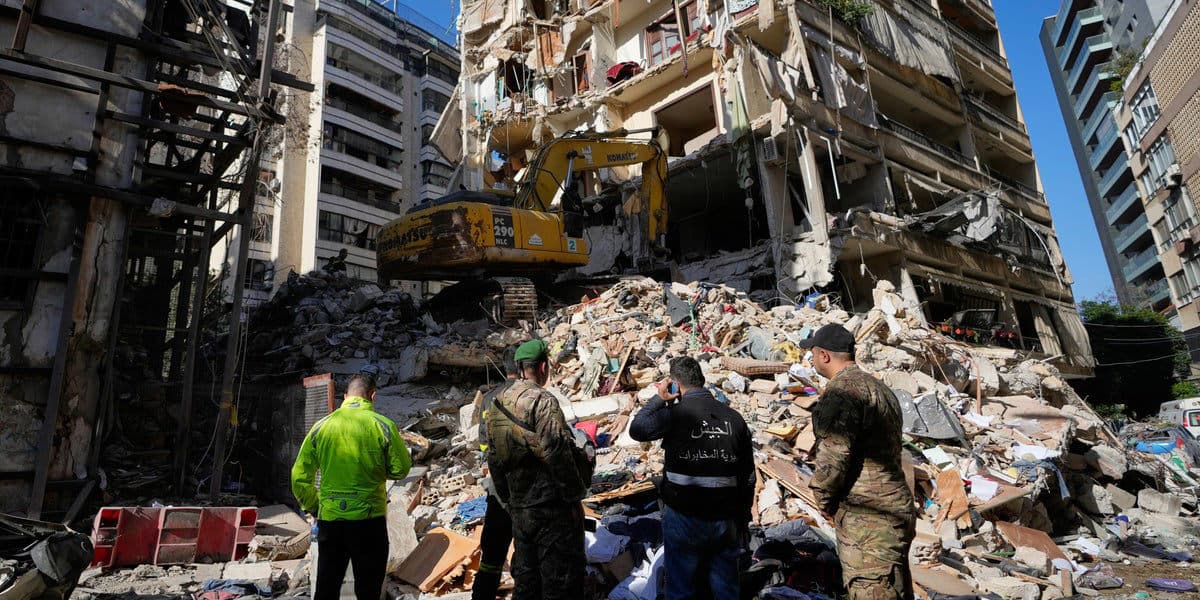
Key Highlights
- Date of Attack:April 8, 2026, marked by devastating Israeli airstrikes.
- Casualties:At least 250 reported dead, with numbers expected to rise.
- Displacement:Over 1.2 million people affected, approximately 20% of Lebanon's population.
On April 8, 2026, Lebanon endured one of its most catastrophic military assaults in decades, as Israeli airstrikes targeted various locations, including the southern suburbs of Beirut and the Bekaa Valley. The Lebanese Ministry of Health reported at least 250 fatalities, with the death toll anticipated to increase as rescue operations continue in the aftermath of the strikes.
This unprecedented offensive unfolded against a backdrop of complex international diplomacy. Israeli Prime Minister Benjamin Netanyahu asserted that a ceasefire agreement brokered by Pakistan between the U.S. and Iran did not encompass Lebanon, leading to widespread condemnation from local and international officials who labeled the airstrikes a severe violation of humanitarian norms.
Eyewitness accounts from Beirut paint a harrowing picture of the aftermath—people trapped under rubble, families torn apart, and widespread panic. Local resident Abdelkader Mahfouz expressed the despair felt by those affected: “Only people are getting harmed. What should the people do? We can't do anything.” This sentiment reflects the deep anguish and helplessness experienced by many in the wake of the violence.
The strikes commenced shortly after announcements suggested that Lebanon might be included in a ceasefire agreement, creating a false sense of security among residents. Many had begun returning to areas they had previously evacuated, only to be met with chaos and destruction as the violence erupted. The rapid shift from hope to horror has left communities in shock, grappling with the sudden and brutal reality of the situation.
Israeli officials have claimed that the military strikes were aimed at Hezbollah command centers and military sites, which they argue posed threats to Israeli security. However, the indiscriminate nature of the attacks has raised significant concerns regarding civilian safety and the humanitarian implications for Lebanon. The strikes have reportedly resulted in over 1.2 million people being displaced, representing about 20% of the country's population, further exacerbating an already dire humanitarian crisis.
As the situation continues to unfold, President Joseph Aoun of Lebanon has expressed a desire to engage in direct negotiations with Israel. However, such discussions have yet to yield any tangible results. The recent escalation has intensified fears that this conflict could spiral into protracted warfare, deepening sectarian divides and worsening the humanitarian crisis facing the nation.
The global community is closely monitoring the situation, hoping for a resolution to this tragic cycle of violence that has once again placed Lebanon in the crosshairs of regional tensions. The need for immediate humanitarian assistance and a sustainable peace process has never been more urgent, as the people of Lebanon face an uncertain future amidst ongoing conflict and instability.
Published by Banx Network. This article is part of the Banx decentralized media programme, powered by the BXE token on the XRP Ledger.



