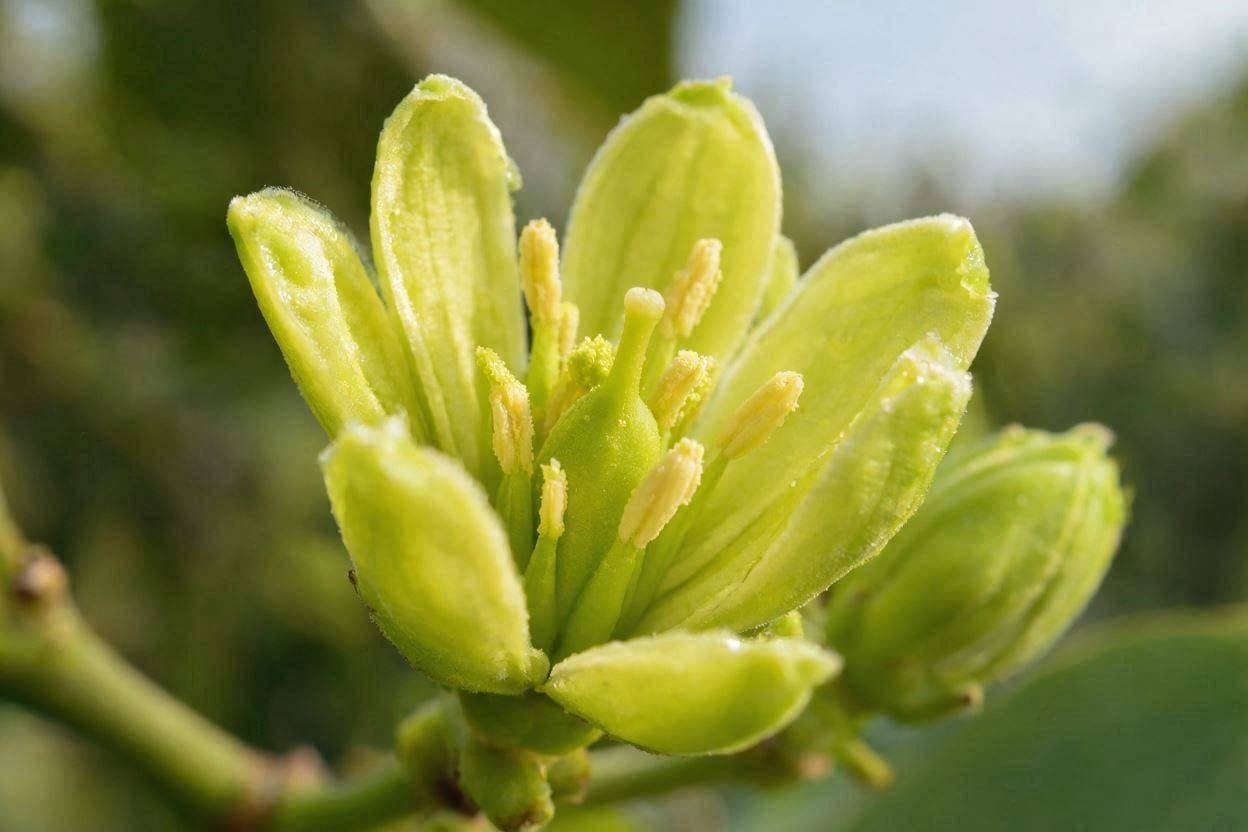
In the quiet rhythm of a garden, flowers often seem static, fixed in their form and purpose. Yet, for the avocado tree, time is a dynamic partner in the dance of reproduction. A recent study has illuminated the intricate mechanism by which avocado flowers change their sexual function throughout the day, a biological strategy designed to prevent self-pollination and ensure genetic diversity. This discovery not only deepens our understanding of plant biology but also offers new avenues for improving crop yields through better breeding practices.
The research, led by scientists at the University of California, Davis, focuses on the phenomenon known as dichogamy, where male and female reproductive organs mature at different times. In avocados, each flower opens twice: first as a female, receptive to pollen, and then closes before reopening later as a male, shedding its own pollen. This temporal separation ensures that a flower cannot fertilize itself, promoting cross-pollination between different trees.
What makes this process particularly fascinating is the variation between avocado varieties. Type A varieties open as female in the morning and male in the afternoon, while Type B varieties do the reverse. This complementary timing allows growers to plant both types together, maximizing the chances of successful pollination. The study identifies a specific gene responsible for regulating this daily switch, offering a genetic key to understanding and potentially manipulating the process.
By mapping the genetic basis of this sex reversal, researchers hope to accelerate the breeding of new avocado varieties. Traditional breeding can take decades due to the long juvenile phase of avocado trees. With this genetic insight, breeders may be able to select for desirable traits more efficiently, reducing the time it takes to develop cultivars that are more resilient to disease or climate stress.
The findings also have implications for orchard management. Understanding the precise timing of flower phases can help farmers optimize the placement of bee hives and other pollinators. By aligning pollinator activity with peak female receptivity, growers can enhance fruit set and overall productivity. This knowledge transforms pollination from a passive occurrence into a managed agricultural practice.
Furthermore, the study highlights the evolutionary ingenuity of plants. The ability to switch sexual roles within a single day is a sophisticated adaptation that has allowed avocados to thrive in diverse environments. It serves as a reminder of the complex strategies nature employs to sustain life and promote diversity, even in organisms that appear simple at first glance.
As climate change alters growing conditions, such genetic insights become increasingly valuable. Breeding programs can use this information to develop varieties that maintain effective pollination patterns despite shifting temperatures or weather extremes. This resilience is crucial for ensuring the future stability of avocado production, a crop that has become a global staple.
The revelation of how avocados reverse sexes throughout the day is a testament to the hidden complexities of the natural world. By unlocking these genetic secrets, science not only satisfies curiosity but also provides practical tools for sustaining one of the world’s most beloved fruits.
AI Image Disclaimer: The visuals accompanying this article are AI-generated illustrations designed to represent the themes of botanical biology and agricultural science.
Sources: UC Davis, PNAS, Nature Plants, Agricultural Research Service
Published by Banx Network. This article is part of the Banx decentralized media programme, powered by the BXE token on the XRP Ledger.