
Key Highlights
- Soft power is increasingly vital in global diplomacy, influencing perceptions and relationships.
- South Korea exemplifies successful cultural diplomacy through its entertainment industry.
- Emerging economies are diversifying the cultural landscape, challenging Western dominance.
[The Rise of Soft Power]
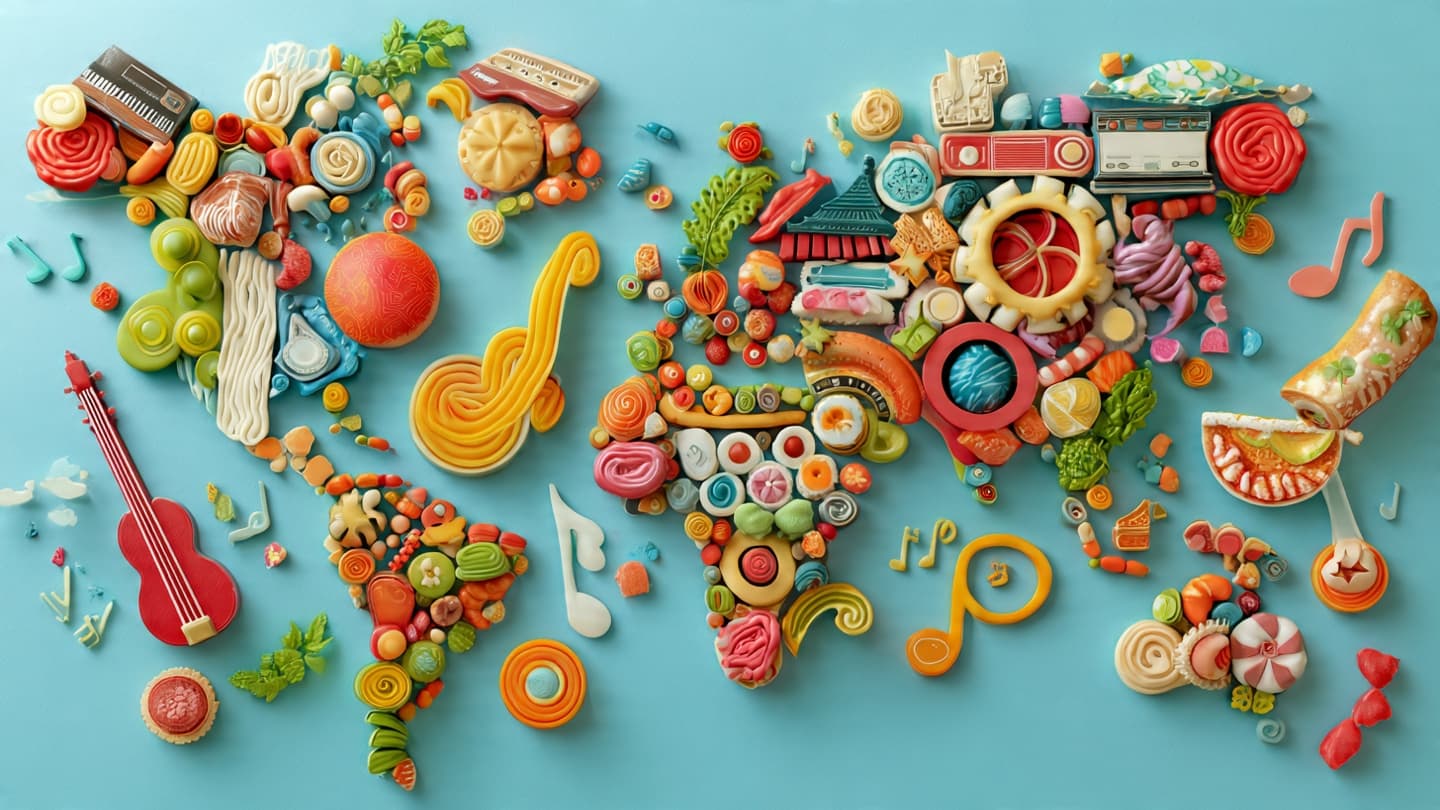
In an interconnected world, military might and economic strength are no longer the only determinants of influence. Culture, values, and ideas have become powerful tools of diplomacy, collectively known as "soft power." From K-pop concerts in Paris to Hollywood films in Beijing, cultural exports shape perceptions, build connections, and foster mutual understanding. Recent trends highlight how nations leverage their cultural assets to enhance their global standing, creating bridges that transcend political divides. This soft power diplomacy is subtle yet profound, influencing hearts and minds in ways that hard power cannot.
[Case Studies in Cultural Diplomacy]
South Korea serves as a prime example of this strategy. The global success of its music, cinema, and cuisine has transformed its image from a war-torn nation to a vibrant cultural hub. This phenomenon, often referred to as the "Korean Wave," has significantly boosted tourism, increased exports, and enhanced diplomatic leverage. The positive associations created through cultural exports make it easier for South Korea to negotiate trade deals and build alliances. Similarly, Japan’s anime and manga have cultivated a loyal global fanbase, promoting Japanese values and aesthetics worldwide.
[The American Influence]
For the United States, cultural influence has long been a cornerstone of its foreign policy. American music, fashion, and technology are ubiquitous, spreading ideals of freedom and innovation. However, this dominance is sometimes viewed as cultural imperialism, leading to resistance in some regions. Balancing promotion with respect for local traditions is key to effective soft power. It requires dialogue and exchange, not just broadcasting, to foster genuine connections.
[Emerging Economies and Cultural Diversity]
Emerging economies are also entering the arena of cultural diplomacy. Nigeria’s Nollywood, India’s Bollywood, and Turkey’s television dramas are gaining international audiences, showcasing diverse narratives and perspectives. This diversification enriches the global cultural landscape, challenging Western hegemony and promoting multipolarity. It allows for a more inclusive representation of human experience, fostering empathy across borders and enhancing mutual understanding.
[Digital Age Amplification]
The digital age has amplified the reach of soft power. Social media platforms allow cultural products to go viral instantly, reaching millions without traditional gatekeepers. Influencers and creators play a crucial role in shaping opinions and trends. Governments are increasingly engaging with these digital natives, recognizing their potential as diplomatic ambassadors who can bridge cultural divides and foster international dialogue.
[Challenges and Future Prospects]
However, soft power is fragile. It depends on authenticity and consistency. Hypocrisy or negative domestic policies can undermine cultural appeal. For instance, human rights violations or political instability can tarnish a nation’s image, regardless of its cultural output. Therefore, soft power must be backed by credible actions and values to maintain its effectiveness.
As we look to the future, the role of culture in international relations will grow. In a world facing shared challenges like climate change and pandemics, building trust and cooperation is essential. Soft power provides the emotional and social glue that holds these partnerships together, reminding us of our common humanity.
In conclusion, the cultural bridge is a testament to the power of connection. It shows that art, music, and stories can unite us across differences. By investing in cultural exchange, nations can build a more peaceful and understanding world. The diplomacy of the future is not just about treaties; it is about ties that bind us together.
Published by Banx Network. This article is part of the Banx decentralized media programme, powered by the BXE token on the XRP Ledger.



