For immigrants caught in the federal deportation system, the difference between detention and release can determine where a legal case unfolds: behind the walls of a detention facility or from home while proceedings continue. The U.S. Supreme Court has now agreed to decide whether the Trump administration can require certain immigrants facing deportation to remain detained without first receiving an individualized bond hearing.
The case concerns the administration's interpretation of federal immigration law and whether immigrants who are subject to deportation proceedings can be detained while their cases are resolved without being given a hearing at which a judge considers whether they should be released. The Supreme Court agreed Thursday to hear the case during its new term.
The dispute centers on people who entered the United States without authorization and are later placed into removal proceedings. Under the administration's interpretation, a broad category of such immigrants can be held without bond hearings. The policy has generated thousands of federal court filings from immigrants seeking release from detention.
The legal question is narrower than the broader political debate over immigration enforcement. The justices will have to interpret federal immigration statutes and determine what those laws require concerning detention and bond hearings. The eventual decision could affect how immigration authorities handle large numbers of people whose deportation cases have not yet been resolved.
Supporters of the administration's interpretation argue that federal immigration law provides the government with authority to detain people during removal proceedings. The government has defended the detention policy as part of its enforcement authority and has challenged lower-court decisions that limited its ability to hold certain immigrants without individualized hearings.
Immigrant advocates and attorneys challenging the policy argue that people should have an opportunity to ask an immigration judge for release while their cases proceed. Their position is that detention decisions involving individuals who are not otherwise subject to mandatory detention should receive individualized consideration rather than being governed by a broad categorical rule.
The case has implications beyond any single detention facility. A ruling in favor of the administration could strengthen the government's ability to hold a broad group of immigrants without bond hearings during removal proceedings. A ruling rejecting that interpretation could require more individualized hearings and potentially change detention practices across the immigration system.
The Supreme Court's decision will also arrive against the backdrop of an expanding immigration-enforcement effort. The administration has sought broader detention and deportation authority, while federal courts around the country have considered challenges to different parts of the policy. The detention case gives the justices an opportunity to resolve one particularly important question about the government's authority while removal cases are pending.
The court is expected to hear the case during its 2026-27 term, with a decision due by the end of June 2027. Until then, lower-court rulings and individual immigration cases will continue to shape how the policy operates. The Supreme Court's eventual ruling will determine how federal detention law applies to a significant category of immigrants facing deportation.
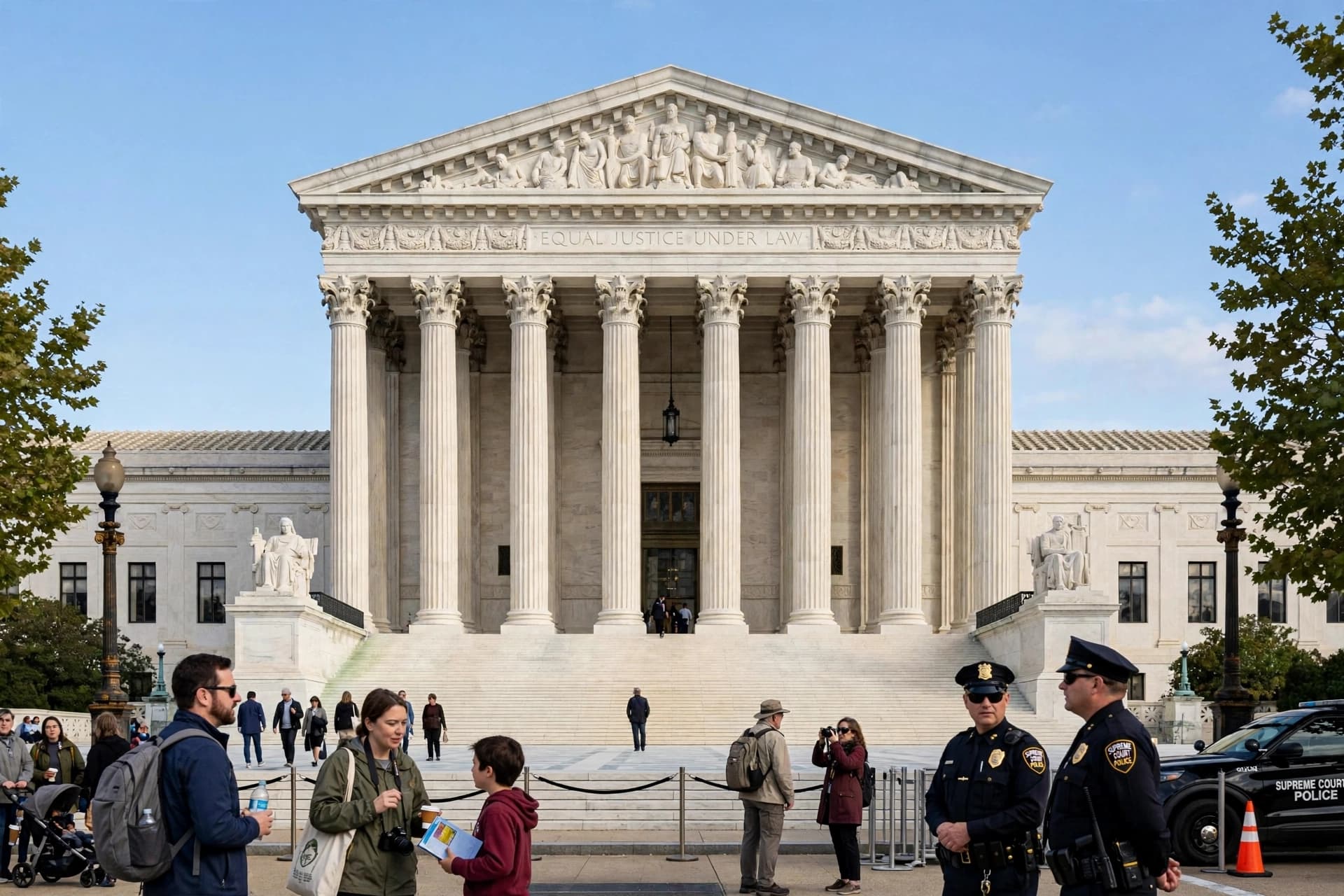
AI Image Disclaimer: Any accompanying illustration is AI-generated for editorial purposes and does not depict an actual detainee, immigration proceeding, or Supreme Court hearing.
Sources: Reuters Associated Press The Washington Sun NBC News U.S. Supreme Court
Published by Banx Network. This article is part of the Banx decentralized media programme, powered by the BXE token on the XRP Ledger.