

Key Highlights
- Federal investigations into California's primary elections have been announced.
- Allegations of election fraud are being examined by the U.S. Attorney’s Office.
- California's vote-counting process has come under scrutiny amid political debates.
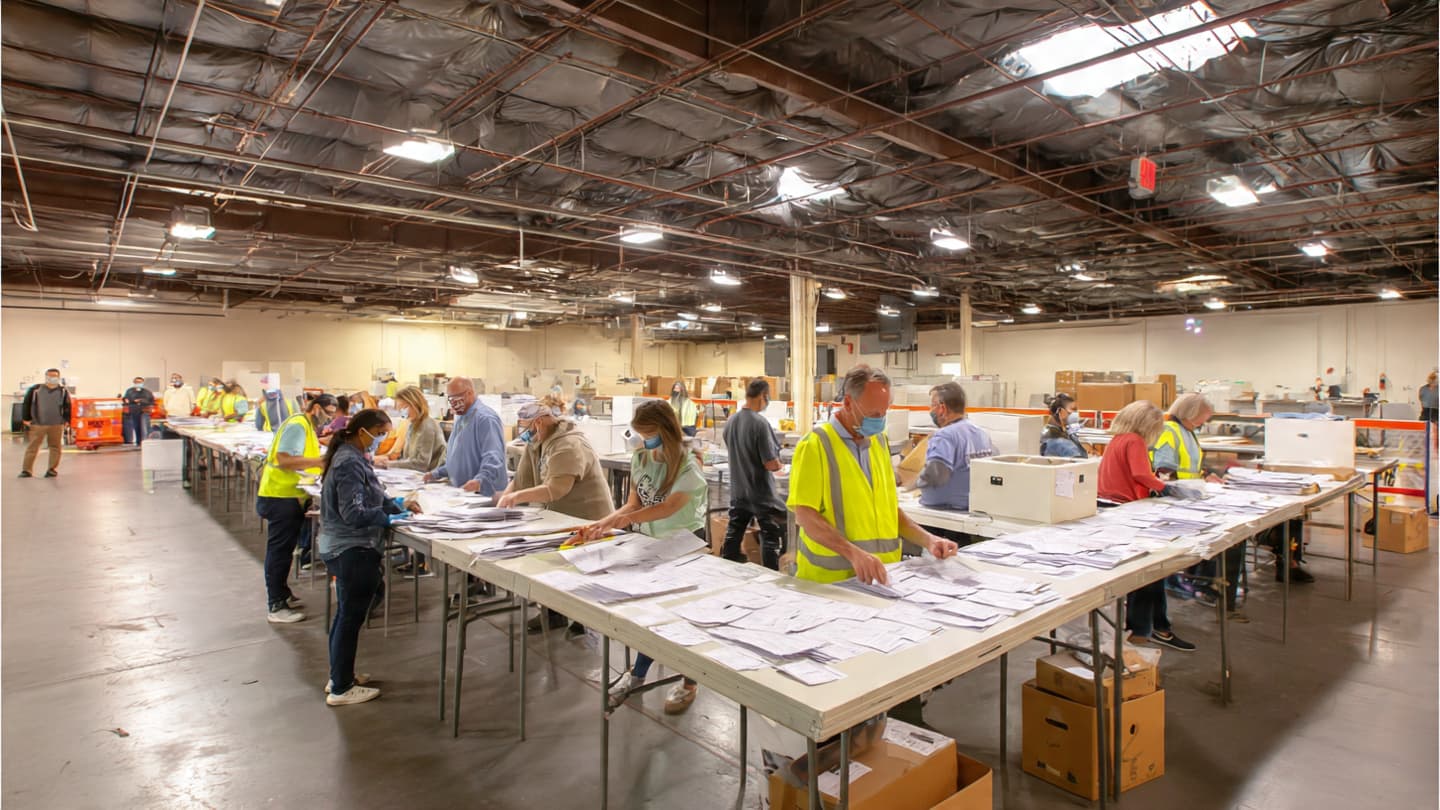
The election season often resembles a meticulous puzzle, where each ballot represents a piece contributing to a larger picture. In California, this familiar process has gained renewed scrutiny following the announcement of federal investigations into alleged election fraud related to the state's recent primary elections. The U.S. Attorney’s Office in Los Angeles has confirmed that multiple inquiries are underway, focusing on concerns about election integrity and the procedures surrounding voting.
The investigations were prompted by comments from former President Donald Trump, who criticized California's extended vote-counting process and claimed widespread irregularities without presenting concrete evidence. California's system, which allows for mail-in ballots to be counted as long as they are postmarked by Election Day, often results in a prolonged counting period due to the sheer volume of ballots that need verification and processing.
U.S. Attorney Bill Essayli has stated that his office will thoroughly review any evidence related to the allegations and pursue prosecution where warranted. As part of this effort, a federal prosecutor has been dispatched to observe operations at Los Angeles County's vote-counting center. Election officials have characterized this visit as routine, emphasizing their commitment to transparency and accuracy in the ballot-processing procedures.
California election administrators have defended the state's voting system, asserting that accuracy is prioritized over speed. They highlight that the legal framework allows ballots to arrive after Election Day, provided they are postmarked on or before that date. This legal allowance is crucial in accommodating the high number of mail-in ballots, which have become increasingly popular among voters.
Election experts note that California's large population and extensive participation in vote-by-mail programs contribute to the lengthy counting periods. Historically, it can take several weeks for counties to certify final results as they complete their official canvassing procedures. This extended timeline has become a focal point of debate, especially in light of the current investigations.
The investigations have sparked discussions among political leaders and advocacy groups. Supporters of the inquiries argue that any credible allegations of fraud should be thoroughly investigated to maintain public trust in the electoral process. Conversely, critics caution against jumping to conclusions without evidence, emphasizing the importance of due process and the presumption of innocence.
As of now, no findings of widespread fraud have been reported, and federal authorities have reiterated that the investigations are ongoing. Officials continue to stress that all legally cast ballots will be counted according to established procedures, underscoring the integrity of the electoral process.
The outcome of these investigations could have significant implications for future elections and public confidence in the electoral system. As the situation develops, stakeholders across the political spectrum are closely monitoring the proceedings, eager to see how they will unfold in the coming weeks.
Published by Banx Network. This article is part of the Banx decentralized media programme, powered by the BXE token on the XRP Ledger.




