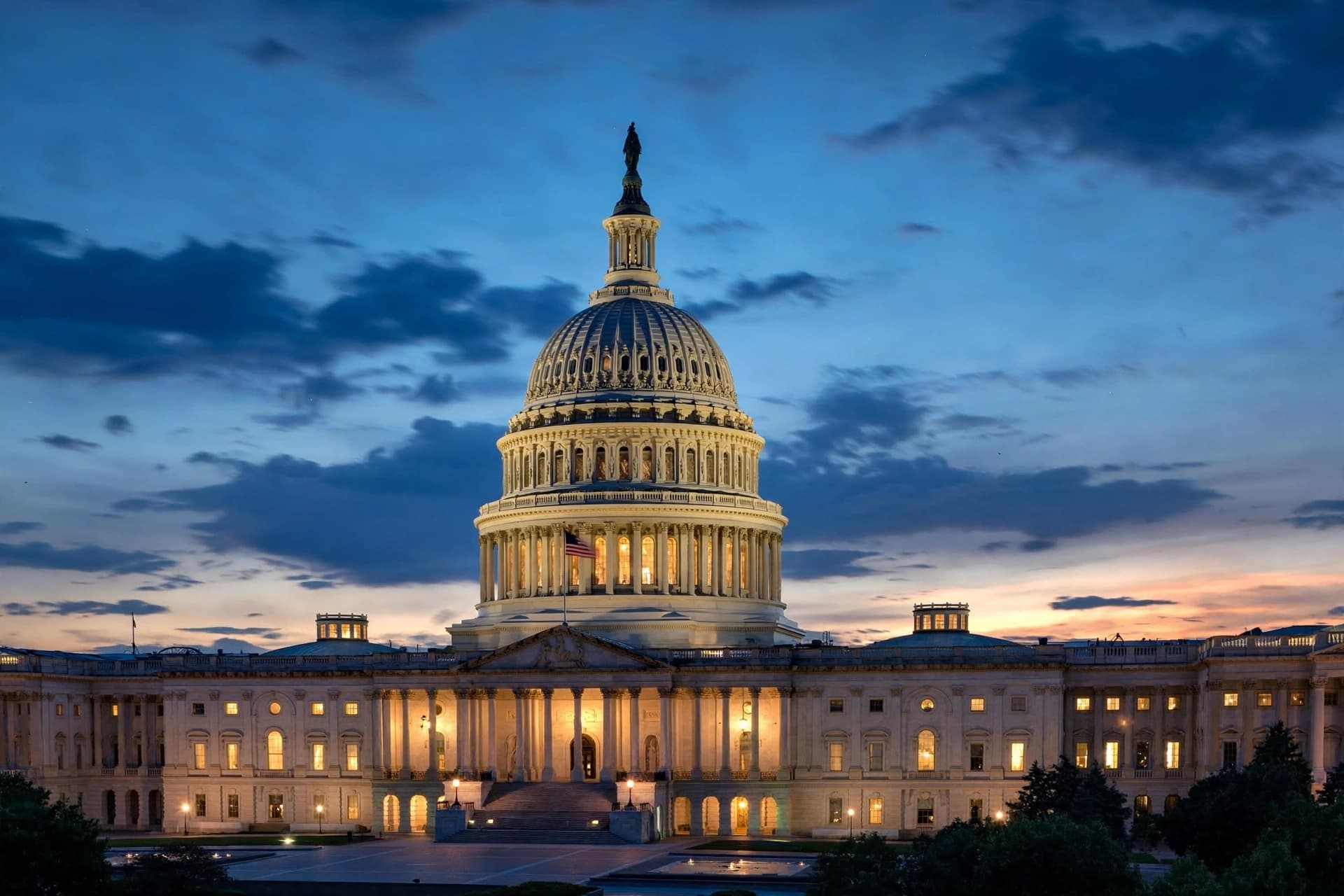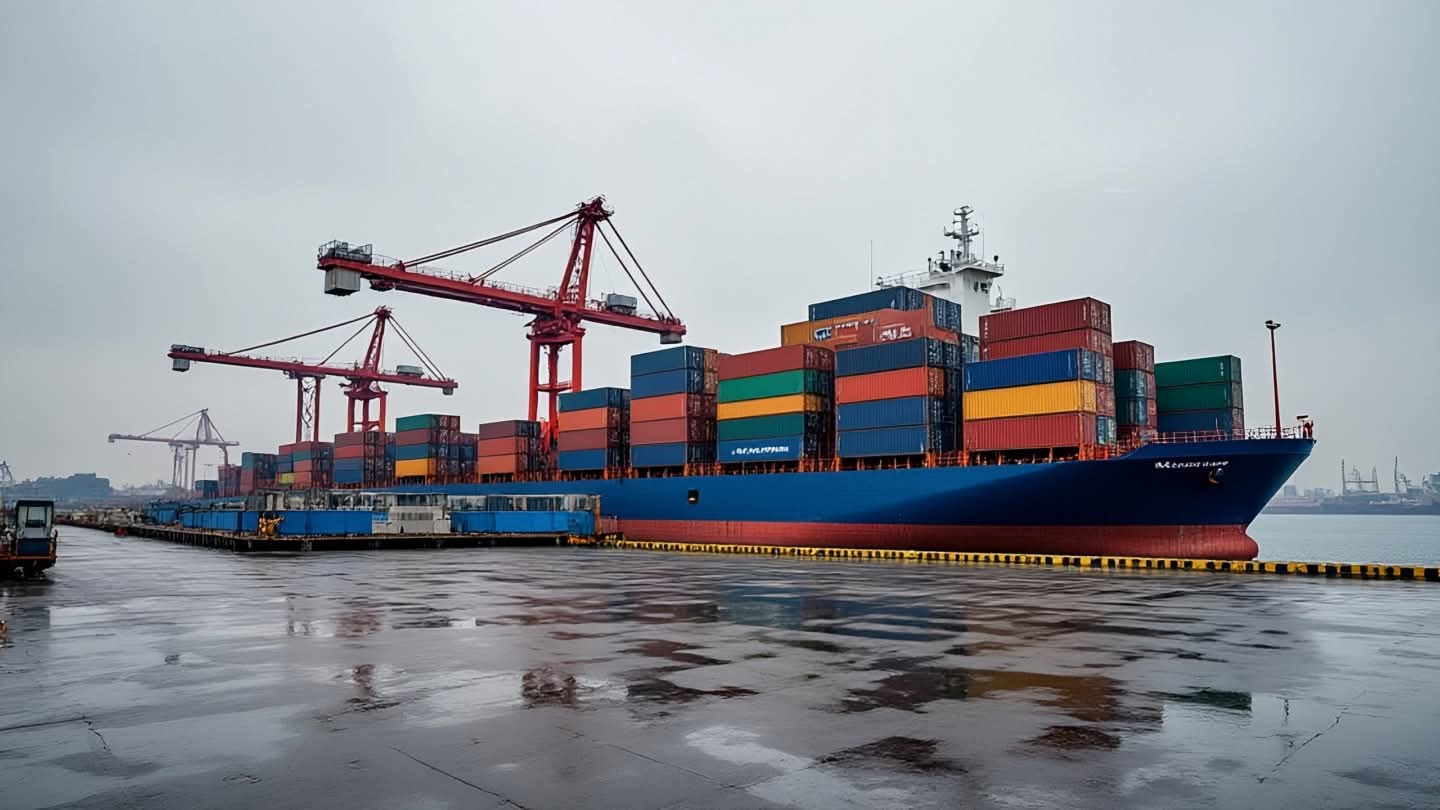
The bond between neighbors is often tested not by distance, but by the friction of shared interests. In the case of the United States and Canada, two nations linked by geography, history, and deep economic integration, recent trade negotiations have reached a breaking point. President Donald Trump’s sharp reaction to the collapse of these talks, marked by his exclamation of “No more!!!” on social media, signals a dramatic shift in diplomatic tone. What began as an effort to refine existing agreements has instead spiraled into a renewed trade war, raising concerns about the stability of North American commerce and the future of bilateral relations.
The breakdown occurred after days of intense negotiations in Washington, where U.S. officials sought significant concessions from their Canadian counterparts. The impasse was triggered when Prime Minister Mark Carney suspended the talks, citing that the United States had asked for “too much and offered too little.” This decision was viewed by the Trump administration as a rejection of good-faith efforts, prompting an immediate and forceful response from the President. The swift escalation highlights the fragility of modern trade diplomacy, where patience can quickly give way to punitive measures.
In response, the United States imposed a 50% tariff on $20 billion worth of Canadian goods, targeting key sectors such as aluminum, steel, and energy. Canada has vowed to retaliate with matching tariffs, a move that threatens to disrupt supply chains and increase costs for consumers on both sides of the border. The tit-for-tat nature of the dispute recalls previous trade conflicts, but the speed and severity of this escalation have caught many observers off guard. The economic stakes are high, with billions of dollars in trade potentially at risk.
President Trump’s public outburst reflects a broader strategy of using pressure tactics to achieve favorable terms. By framing the negotiation failure as a slight against American interests, he aims to rally domestic support and justify aggressive economic policies. However, critics argue that this approach undermines long-term alliances and creates uncertainty for businesses that rely on predictable trade rules. The rhetoric of “no more” suggests a willingness to walk away from deals that do not meet strict unilateral demands.
The impact on ordinary citizens is already being felt, with prices for certain goods expected to rise as tariffs take effect. Industries that depend on cross-border cooperation, such as automotive manufacturing and agriculture, face particular vulnerability. Workers in these sectors worry about job security and the potential for reduced demand. The human cost of political posturing is often borne by those least able to influence the outcome, highlighting the disconnect between high-level diplomacy and ground-level reality.
Diplomatic channels remain open, but trust has been significantly eroded. European and Asian allies are watching closely, concerned that similar tactics could be applied to other trading partners. The global economy, still recovering from various shocks, cannot afford further fragmentation. The hope remains that cooler heads will prevail, leading to a resumption of dialogue before the damage becomes irreversible.
As the situation unfolds, the focus shifts to the resilience of both economies. Can they withstand the shock of a trade war, or will pressure mount for a compromise? The answer lies in the balance between national pride and economic pragmatism. For now, the silence of stalled negotiations is louder than the noise of political rhetoric.
The deterioration of U.S.-Canada trade relations serves as a cautionary tale about the limits of coercion in international diplomacy. While both nations have the capacity to endure short-term pain, the long-term benefits of cooperation far outweigh the gains of conflict. The path forward requires a return to mutual respect and a commitment to finding common ground.
AI Image Disclaimer: Please note that any accompanying visuals for this article are AI-generated representations intended for illustrative purposes only.
Sources: The Guardian PBS NewsHour New York Times Fox Business CNN
Published by Banx Network. This article is part of the Banx decentralized media programme, powered by the BXE token on the XRP Ledger.