
Key Highlights
- Dispute:A Viking ship replica owner claims unpaid damages from filming.
- Cultural Impact:The ship represents historical heritage and education.
- Legal Insights:Experts emphasize the importance of clear rental agreements.
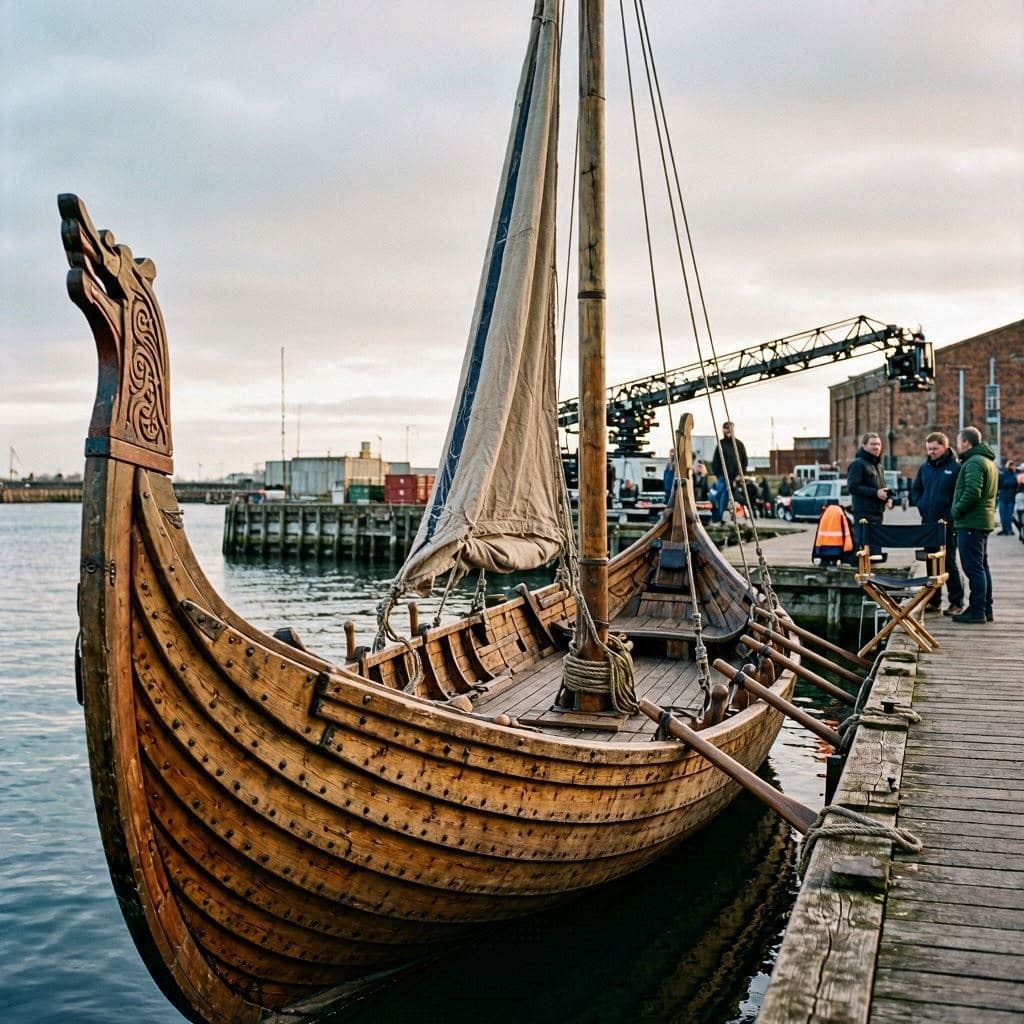
The world of cinema often transports audiences to fantastical realms, yet the realities behind the scenes can be fraught with challenges. A recent dispute has emerged involving a replica Viking ship used in the production of 'The Odyssey.' The ship's owner alleges that the studio has failed to compensate for damages incurred during filming, raising questions about the intersection of art and commerce in the film industry.
The vessel in question is a meticulously crafted replica, designed to evoke the spirit of Norse seafarers. It played a pivotal role in the film, enduring the rigors of ocean shoots and special effects. Such ships are not merely props; they are significant investments in craftsmanship and cultural heritage. When damage occurs, whether from accidental collisions or the stresses of filming, the costs of repair can be substantial. The owner claims that these costs were not covered as agreed, leading to a financial standoff that highlights the vulnerabilities faced by smaller vendors in the entertainment sector.
Film productions often operate under tight schedules and budgets, which can lead to oversights in contractual obligations. While studios typically carry insurance for such incidents, disputes can arise over the extent of the damage or the interpretation of liability clauses. In this case, the ship's owner asserts that the studio has neglected to settle the bill, leaving them to shoulder the financial burden of restoring the ship. This situation underscores the need for clear communication and robust agreements between studios and independent suppliers.
The cultural significance of the ship adds another layer to the dispute. Replicas like this serve educational and historical purposes, allowing the public to connect with the past. Damage to such vessels represents not only a financial loss but also a potential erosion of cultural heritage. The owner's stance is not solely about monetary compensation; it is also about respecting the integrity of the artifact and ensuring its preservation for future generations.
Legal experts suggest that cases like this often hinge on the specific terms of the rental agreement. Clear documentation of the ship's condition before and after filming is crucial for resolving disputes. Without it, determining the cause and extent of damage can devolve into a matter of conflicting narratives. This incident serves as a reminder of the importance of thorough pre-production planning and transparent communication among all parties involved.
For the film industry, this situation serves as a cautionary tale. As productions grow in scale and complexity, the need for effective risk management becomes paramount. Protecting the interests of all stakeholders, from major studios to independent suppliers, is essential for fostering a sustainable creative ecosystem. It encourages a culture of responsibility and mutual respect that benefits everyone involved.
The resolution of this dispute will likely involve negotiation or legal mediation. Until then, the ship remains a symbol of the tensions that can arise when art meets industry. It serves as a reminder that behind every cinematic masterpiece lies a series of practical challenges that must be navigated with care.
As the story of 'The Odyssey' unfolds on screen, the backstage drama continues. The hope is for an amicable resolution that honors both the creative vision of the filmmakers and the rights of the ship's owner. In doing so, the industry can reaffirm its commitment to fairness and preservation.
Published by Banx Network. This article is part of the Banx decentralized media programme, powered by the BXE token on the XRP Ledger.



