

Key Highlights
- Neil the seal has caused significant management costs in Merimbula.
- Local authorities revealed the financial toll of his presence.
- Community reactions vary from tolerance to frustration over the seal's impact.
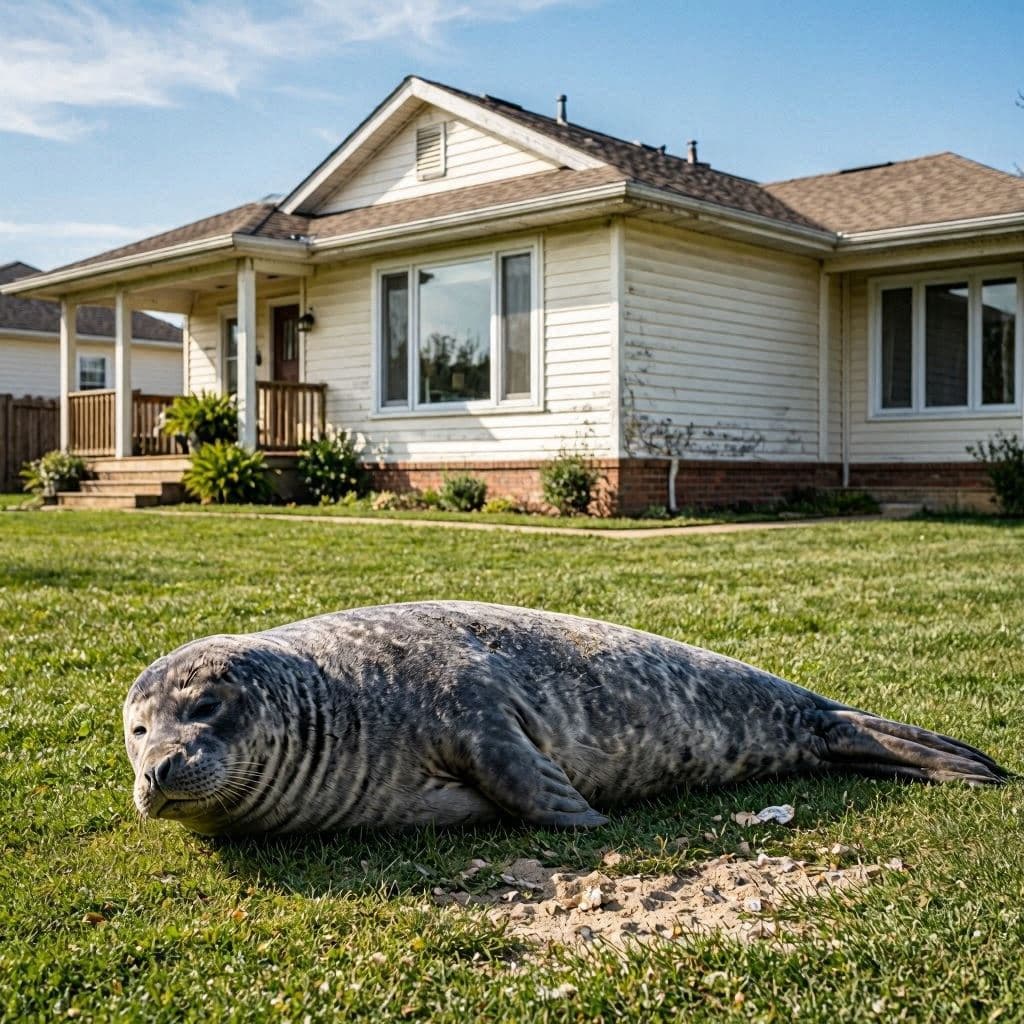
In the coastal town of Merimbula, New South Wales, a grey seal named Neil has become a focal point of discussion regarding wildlife and human coexistence. After spending months lounging on private properties and blocking driveways, Neil's presence has led to a financial reckoning for local authorities. Recent disclosures reveal the costs associated with managing his stay, including damages and logistical efforts to guide him back to the sea. This situation underscores the complexities of living alongside wildlife, where the lines between nature and human habitation often blur.
Neil first appeared in Merimbula in late 2025, quickly capturing the attention of both residents and tourists. Initially viewed as a charming addition to the local scenery, the reality of having a large marine mammal in a suburban area soon became apparent. Local councils and wildlife agencies collaborated to monitor Neil's behavior and implement gentle relocation efforts, prioritizing both public safety and the seal's well-being.
The financial implications of Neil's extended stay are significant. Costs have accrued from repairs to fencing, installation of signage, and the time spent by rangers and veterinarians. Damage to private properties, including crushed garden beds and blocked access points, has also contributed to the total bill. Local authorities have made these figures public to ensure transparency regarding the use of public funds in managing wildlife interactions. For many residents, these expenses are seen as a necessary investment in living in a biodiverse region.
Wildlife experts emphasize that seals are protected under Australian law, which complicates any efforts to relocate them. The legal framework requires careful consideration to avoid harming the animal or causing undue stress. As a result, the management of Neil has involved prolonged coexistence, with authorities taking a cautious approach to ensure his safety and that of the community.
Community reactions to Neil's presence have been mixed. While many locals have embraced him as a mascot, sharing photos and updates on social media, others express frustration over the inconveniences he has caused. Balancing these differing perspectives necessitates ongoing dialogue about wildlife behavior and conservation priorities, as well as education on the importance of protecting native species.
The situation has sparked broader discussions about urban planning and the need for wildlife corridors as human settlements encroach on natural habitats. Encounters like Neil's are expected to become more frequent, prompting calls for proactive measures such as designated wildlife zones and public awareness campaigns to mitigate conflicts and reduce management costs in the future.
Veterinarians monitoring Neil report that he appears healthy and well-fed, indicating he has adapted to his temporary terrestrial lifestyle. His behavior is not uncommon for young male seals, who may wander far from their usual habitats. Continuous monitoring is essential to prevent him from becoming too accustomed to human interaction, which could pose long-term risks.
Financially, the costs associated with managing Neil are modest compared to larger infrastructure projects, yet they serve as a valuable case study for local governments. Understanding these expenses is crucial for budgeting future wildlife incidents and developing more efficient response strategies. The situation also highlights the community's commitment to preserving native fauna, even when faced with unexpected challenges.
As Neil continues to inhabit the area, the community is learning to adapt. His story reflects the resilience of both humans and wildlife in navigating shared spaces, reminding us that nature often operates on its own timeline, independent of human convenience.
The financial and logistical challenges of managing Neil the seal in Merimbula invite ongoing community engagement and proactive planning for future human-wildlife interactions.
Published by Banx Network. This article is part of the Banx decentralized media programme, powered by the BXE token on the XRP Ledger.




