In the high-stakes theater of the stock market, expectations often weigh heavier than reality. For Tesla, a company that has long been valued not just for its cars but for its promise of a futuristic autonomous world, the latest earnings report served as a sobering reminder of the gap between vision and immediate financial performance. Shares tumbled 14 percent following a miss on profit expectations and the confirmation of a staggering 25 billion in capital expenditures for the year. This sharp decline invites reflection on how investors balance the allure of innovation with the grounding realities of cash flow and profitability.
Body: The drop in stock price was triggered by a combination of factors, primarily the shortfall in quarterly profits. While revenue figures remained robust, reflecting strong demand for electric vehicles, the bottom line did not meet Wall Street’s aggressive forecasts. In an era where growth is prized, profitability remains the ultimate anchor for investor confidence. The miss signaled that the costs of expansion and technological development are mounting faster than anticipated, squeezing margins in the short term.
Compounding the concern was the announcement of a massive capital expenditure plan. Tesla confirmed it intends to spend 25 billion this year, a significant increase from previous guidance. This spending is largely directed toward artificial intelligence, robotics, and the expansion of manufacturing capacity. For Elon Musk and his team, these investments are essential for achieving the long-term goal of fully autonomous driving and humanoid robots. However, for many shareholders, the sheer scale of the outlay raises questions about near-term returns.
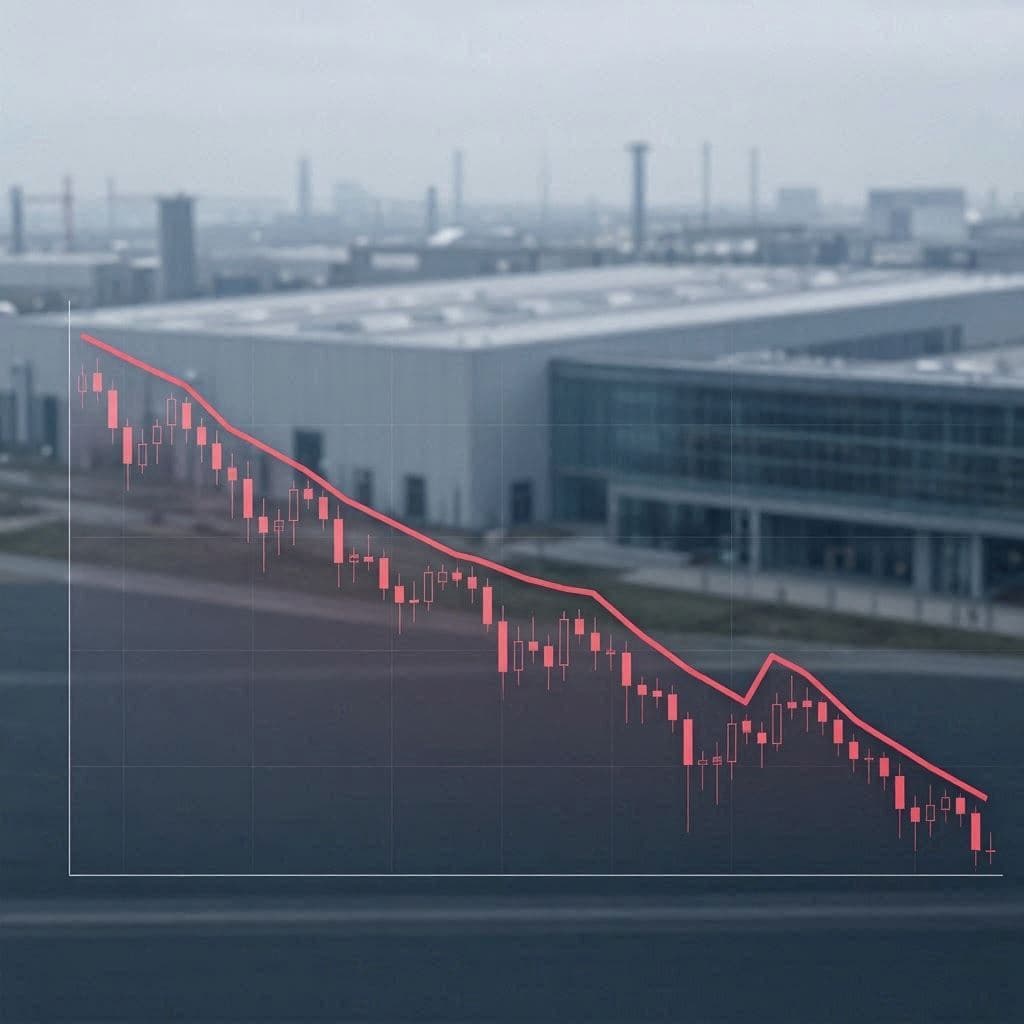
The market’s reaction was swift and severe. A 14 percent decline wipes out billions in market capitalization, reflecting a shift in sentiment from unbridled optimism to cautious scrutiny. Investors are beginning to demand more tangible evidence that these heavy investments will translate into sustainable revenue streams. The era of valuing Tesla solely on its potential is giving way to a more traditional analysis of its financial health.
Despite the downturn, the company’s leadership remains steadfast in its strategy. Executives argue that the current spending phase is critical for maintaining a competitive edge in a rapidly evolving industry. They view the 25 billion not as a cost, but as an investment in dominance. This perspective requires a level of patience that the public markets, with their quarterly rhythms, do not always afford.
Analysts are now divided on the path forward. Some see the dip as a buying opportunity, believing in the long-term transformative power of Tesla’s technology. Others warn that the increased competition in the EV market and the high cost of AI development could pressure profits for years to come. The debate highlights the inherent uncertainty in betting on disruptive innovation.
For the broader economy, Tesla’s performance is a bellwether for the tech and automotive sectors. Its ability to navigate this period of heavy investment while maintaining profitability will influence how other companies approach their own capital allocation strategies. The tension between growth and stability is a universal challenge, played out on a grand scale.
Closing: As the dust settles on the trading day, Tesla faces the task of reassuring its investors. The 25 billion commitment is a bold statement of intent, but it must be backed by results. The coming quarters will be crucial in determining whether this spending spree is the foundation of future dominance or a strain on financial resilience.
AI Image Disclaimer: The images accompanying this article are AI-generated conceptual illustrations of financial charts and automotive manufacturing, designed to visualize the themes of economic volatility and industrial investment.
Sources: Wall Street Journal CNBC Reuters Bloomberg
Published by Banx Network. This article is part of the Banx decentralized media programme, powered by the BXE token on the XRP Ledger.