For millennia, humanity has looked up at the night sky with a mixture of wonder and bewilderment, tracing constellations that offered little more than mythological comfort. Today, that celestial canvas has been transformed into a precise, navigable dataset, thanks to the relentless curiosity of modern astronomy. The completion of the largest map of the universe to date is not merely a scientific milestone; it is an invitation. By making this vast repository of cosmic information accessible to the public, astronomers are democratizing the cosmos, allowing anyone with an internet connection to explore the deep structures of space. It is a gesture that turns passive observation into active participation, bridging the gap between expert knowledge and public imagination.
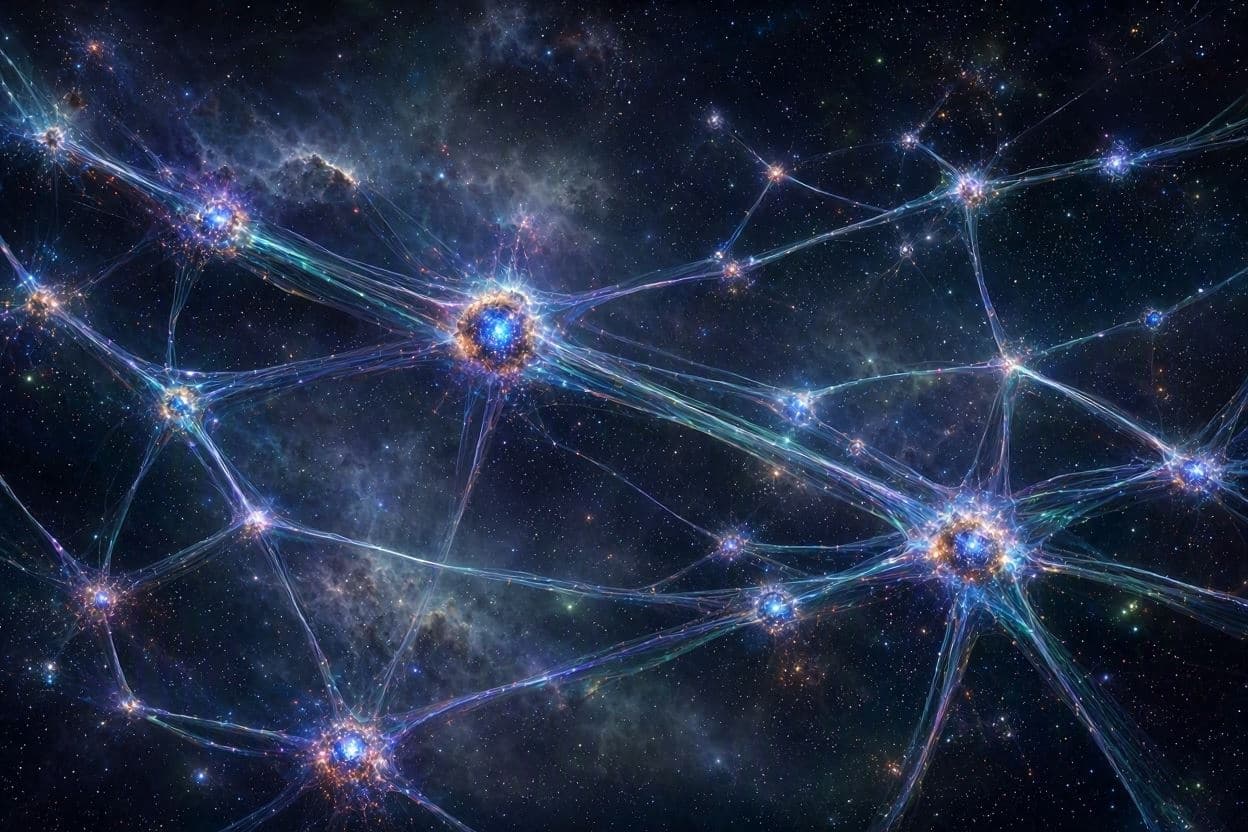
This monumental map was created by the Dark Energy Spectroscopic Instrument (DESI), a project that has measured the distances to millions of galaxies. By analyzing the light from these distant objects, scientists have constructed a three-dimensional atlas that reveals the large-scale structure of the universe. The map details the distribution of matter across billions of light-years, offering clues about the mysterious forces of dark energy and dark matter that shape our reality. It is a technical triumph, but its true power lies in its accessibility.
The decision to make the data interactive and publicly available is a significant shift in how science is shared. Rather than locking findings behind academic paywalls or dense journals, the team has created user-friendly interfaces that allow individuals to zoom in on specific regions of space. Users can trace the filaments of galaxy clusters, observe the voids between them, and visualize the expansion of the universe over time. This interactivity transforms abstract data into a tangible experience, fostering a deeper emotional and intellectual connection to the cosmos.
For educators and students, this tool is invaluable. It provides a dynamic resource for teaching concepts of cosmology, physics, and data science. Instead of relying on static textbook images, learners can explore real data, asking their own questions and discovering patterns. This hands-on approach encourages critical thinking and scientific literacy, empowering the next generation to engage with complex ideas in a meaningful way. It makes the universe feel less like a distant mystery and more like a shared heritage.
Beyond education, the map serves as a foundation for future discoveries. Amateur astronomers and citizen scientists can use the data to identify unusual objects or phenomena that may have been overlooked by automated algorithms. History has shown that public engagement can lead to unexpected breakthroughs, from identifying new planets to classifying galaxy shapes. By opening the door to broader participation, the project harnesses the collective curiosity of millions, expanding the scope of human inquiry.
The scale of the map is difficult to comprehend, encompassing a volume of space that dwarfs our previous understanding. Yet, through digital visualization, this immensity becomes manageable. Users can navigate through eons of cosmic history, witnessing the evolution of structures from the early universe to the present day. This perspective offers a humbling reminder of our place in the grand scheme of things, while simultaneously highlighting the ingenuity required to chart such territory.
The project also highlights the collaborative nature of modern science. Thousands of researchers, engineers, and technicians worked together to build the instrument, collect the data, and process the results. Making the map public is a testament to their belief that knowledge should be shared openly. It reflects a growing trend in scientific communities toward transparency and inclusivity, recognizing that public support and interest are vital for sustained exploration.
As we interact with this map, we are not just looking at stars; we are engaging with the fundamental questions of existence. Where did we come from? What is the universe made of? How will it end? These questions, once the domain of philosophers, are now being addressed with empirical data. The map allows us to touch the edges of these mysteries, providing a sense of agency in our quest for understanding.
The release of the largest map of space marks a new era of public engagement in astronomy. It invites us all to explore the cosmos, fostering curiosity and connection. Let this open door inspire a deeper appreciation for the universe we share.
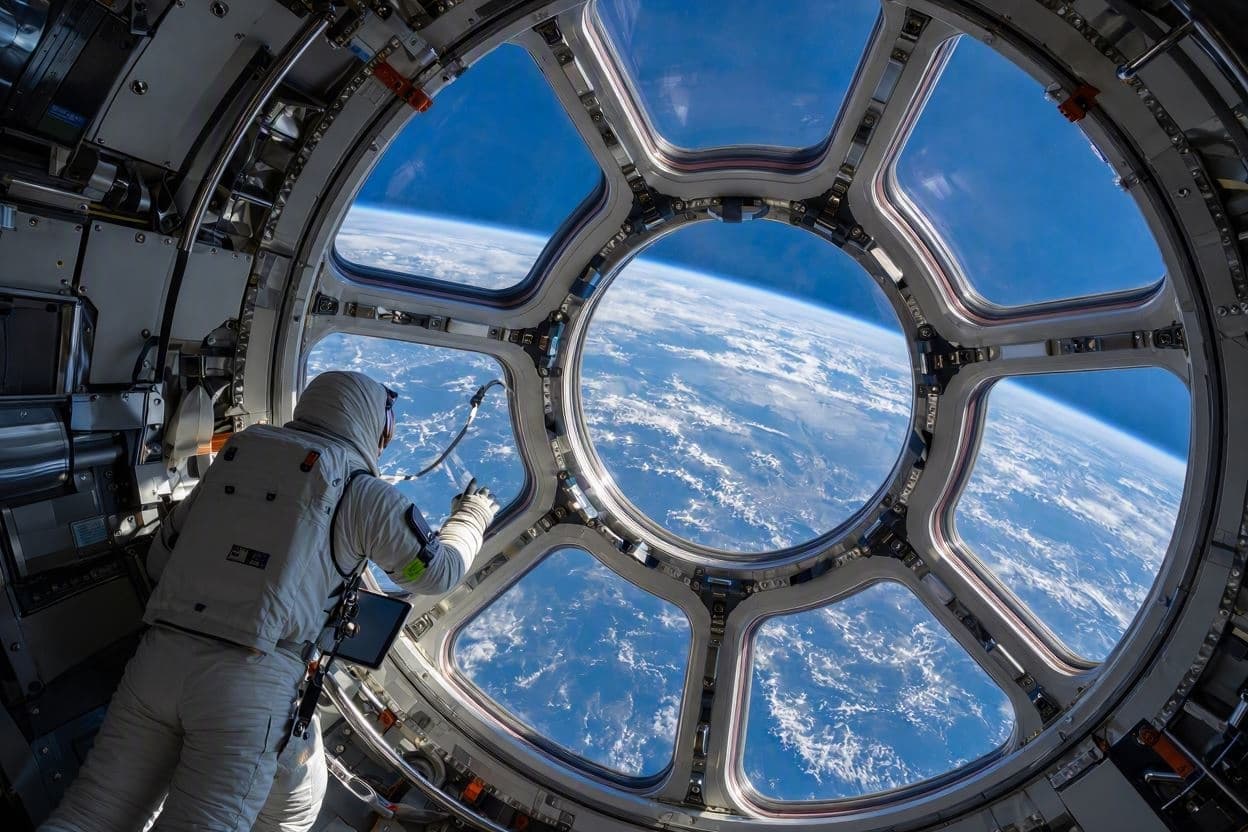
AI Image Disclaimer: Please note that any visual representations in this article are AI-generated illustrations created for conceptual clarity.
Sources: Lawrence Berkeley National Laboratory Science Daily National Geographic
Published by Banx Network. This article is part of the Banx decentralized media programme, powered by the BXE token on the XRP Ledger.