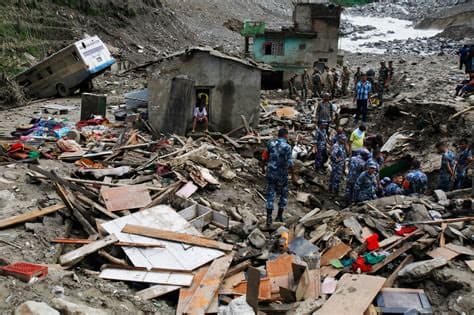
The coastal edge where the urban landscape meets the tireless movement of the sea is frequently a place of profound ecological friction. Along the Waterport seafront of Gibraltar, the limestone rocks and tidal pools form a natural boundary that absorbs the daily debris of human activity, trade, and construction. Over time, the crevices of this ancient shore have become an inadvertent repository for the discarded materials of modern life, creating a somber tapestry of plastic fragments, food wrappers, and forgotten industrial waste that mars the natural beauty of the marine environment.
To look upon a polluted shoreline is to witness a silent breakdown in the stewardship of the earth, an accumulation of small negligences that collectively threaten the delicate balance of aquatic life. The incoming waves, rather than cleansing the coast, often serve to deposit more synthetic materials into the fractures of the stone, trapping debris where it can slowly degrade and enter the local food chain. It is a persistent, visual reminder that the convenience of the immediate moment can leave a lasting, toxic signature upon the natural world.
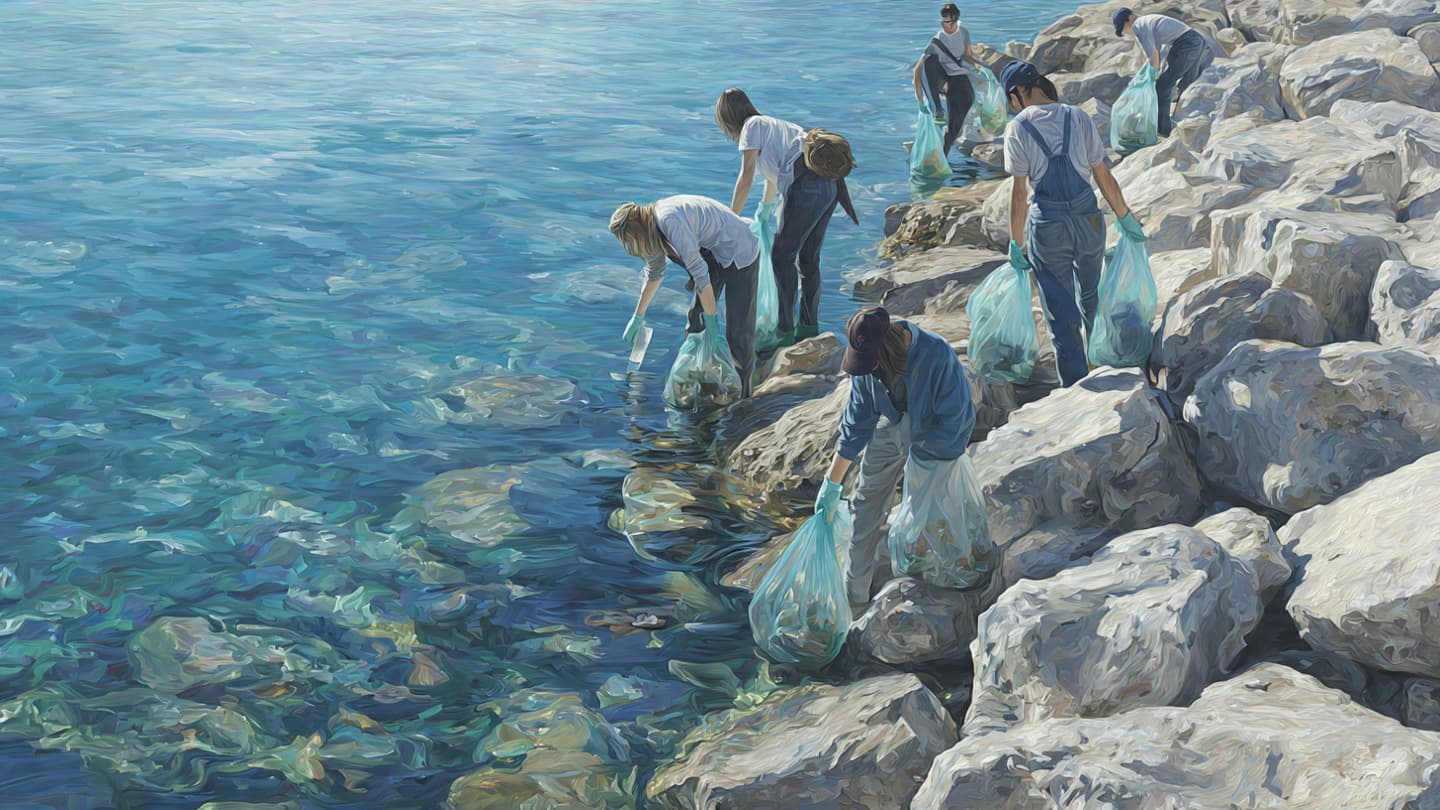
In response to this coastal distress, an extraordinary mobilization of community spirit occurred over the weekend, uniting diverse generations in a singular, localized effort of restoration. A dedicated team composed of Bayside School students and teachers, the Department of the Environment's enforcement team, the Environmental Safety Group, and the Gibraltar Baton Committee gathered along the Waterport rocks. Armed with gloves and pickers, these volunteers stepped down onto the rough terrain to systematically extract the accumulated waste from the water's edge.
This deliberate cleanup was not a random act of community service, but was beautifully integrated into the global journey of the King's Baton Relay. By aligning the traditional, symbolic passage of the baton with the Commonwealth Clean Oceans Plastics Campaign, the event transformed a moment of civic celebration into an active statement of environmental defense. It highlighted a growing awareness within the global community that athletic and cultural traditions must expand to embrace the urgent need for ecological preservation.
Within the span of little over an hour, the collective hands of the volunteers removed a staggering volume of refuse, revealing the true, stark scale of the local pollution problem. The effort exposed a pattern of littering connected to both commercial construction sites in the vicinity and individual visitors who leave their lunch containers discarded among the rocks. This realization shifted the narrative of the day from a simple act of tidying up to an urgent call for systemic surveillance and stricter local enforcement.
The success of the gathering demonstrated that the spirit of active citizenship is deeply alive and well within the local population, echoing the long-standing efforts of grassroots campaigns that have guarded the peninsula's shores for decades. Yet, the participants acknowledged that volunteer labor alone cannot serve as a permanent dam against the endless tide of synthetic waste. True sustainability requires a cultural shift in how businesses and individuals interact with the public spaces that frame their daily lives.
As the baton continues its long, symbolic journey across the seventy-four member nations of the Commonwealth, the clean stones of Waterport stand as a tangible testament to the power of localized action. The immediate removal of plastic waste has restored a measure of dignity to the seafront, providing a safer, cleaner habitat for the marine organisms that depend upon the coastal fringe for survival. It is a small but vital victory in a much larger, global campaign to protect the world's oceans.
When the evening tide returned to wash against the Waterport front, it met a shore that had been unburdened of its synthetic weight by the quiet dedication of the community. The work achieved on this day serves as a guiding light, reminding the inhabitants of the Rock that the preservation of their unique environment requires constant vigilance and a collective willingness to bend down and heal the land
Published by Banx Network. This article is part of the Banx decentralized media programme, powered by the BXE token on the XRP Ledger.