Key Highlights
- U.S. public debt has reached unsustainable levels, raising concerns about the dollar's future.
- A significant shift towards de-dollarization is occurring globally, with countries diversifying their reserves.
- Historical patterns suggest that a currency collapse leads to severe social and economic consequences.
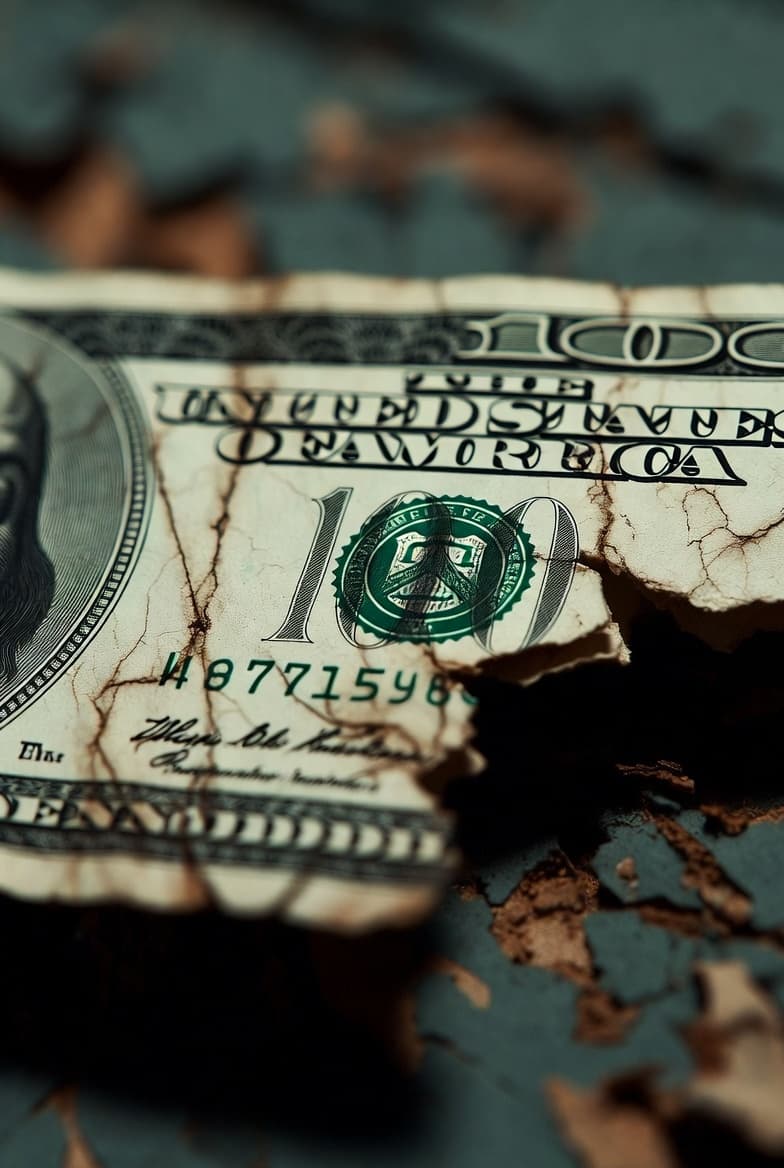
The U.S. dollar, once the cornerstone of global finance, is facing unprecedented challenges as public debt soars to levels deemed unsustainable. The Treasury's increasing reliance on debt issuance to meet existing obligations raises alarms about the long-term viability of the dollar. The Federal Reserve finds itself in a precarious position, forced to choose between reigniting large-scale money creation or risking a severe economic downturn. Each new dollar created dilutes the value of existing currency, setting off a dangerous spiral that could lead to a loss of confidence in the dollar.
In recent years, a quiet yet profound shift has been taking place in the global economy. Countries and economic blocs are actively reducing their reliance on the U.S. dollar, redirecting their foreign reserves toward gold, alternative currencies, and bilateral trade agreements that bypass the traditional SWIFT system. This trend, known as de-dollarization, is no longer merely ideological; it has become a strategic necessity for many nations. The dollar, once considered the ultimate safe haven, is increasingly viewed as a systemic risk, prompting countries to seek alternatives.
The implications of a potential dollar collapse extend far beyond financial markets. History shows that when a currency fails, the consequences are dire for ordinary citizens. Erosion of purchasing power, destruction of savings, and widening inequality are common outcomes of such economic upheaval. The United States, with its unique position in the global economy, is unlikely to escape these repercussions. The prospect of a violent monetary shock, accompanied by social unrest and political instability, is becoming a more pressing concern.
As the world braces for a potential post-dollar era, the critical question shifts from whether a collapse will occur to when confidence in the dollar will finally evaporate. The transition, when it happens, is unlikely to be smooth or orderly. Economic analysts and policymakers must prepare for the fallout, as the ramifications of a dollar collapse could reshape the global economic landscape for generations to come.
In conclusion, the signs are clear: the U.S. dollar is at a crossroads. With increasing public debt, a shift towards de-dollarization, and historical precedents of currency collapse, the global economy must brace itself for the potential fallout of a dollar crisis. The time to act is now, as the consequences of inaction could be catastrophic for both the U.S. and the world at large.
Published by Banx Network. This article is part of the Banx decentralized media programme, powered by the BXE token on the XRP Ledger.