
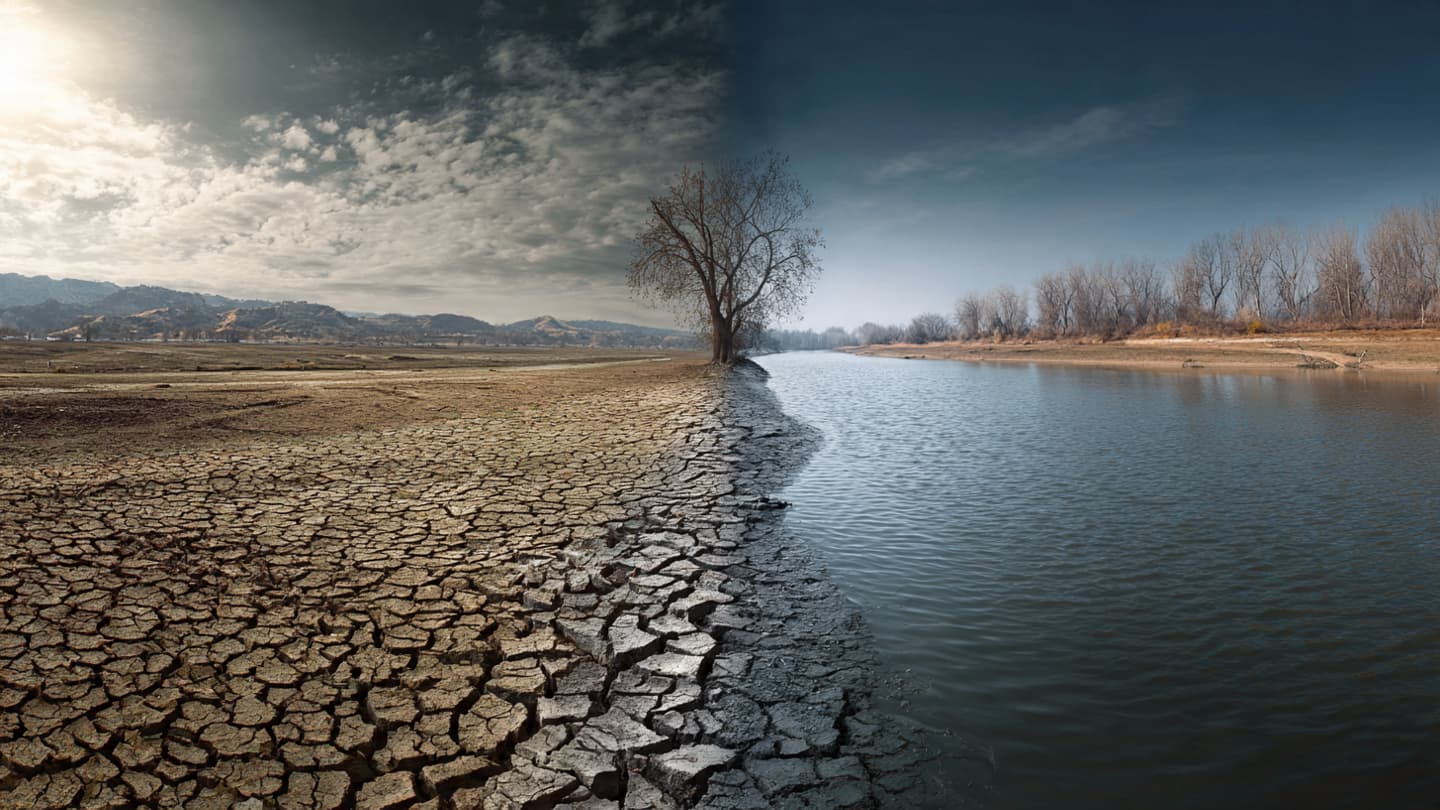
Key Highlights
- Climate Change:Significant economic consequences are anticipated due to climate change and El Niño.
- Agriculture:Extended droughts and excessive rainfall threaten food supplies and commodity prices.
- Energy Systems:Changing weather patterns impact energy production and consumption.
The weather has always influenced the course of human history. Harvests, trade routes, and daily life have often depended on the rhythm of nature. Today, scientists and economists are paying close attention to the combined effects of climate change and El Niño, warning that unusual weather patterns could have significant economic consequences across the globe.
El Niño is a natural climate phenomenon associated with warmer-than-average sea surface temperatures in parts of the Pacific Ocean. Its influence can alter rainfall patterns, increase drought conditions in some regions, and contribute to heavier rainfall and flooding in others. The cyclical nature of El Niño means that its effects can be both predictable and unpredictable, complicating economic forecasting and planning.
Agriculture is among the sectors most directly affected by these climatic shifts. Extended droughts can reduce crop yields, while excessive rainfall may damage farmland and infrastructure. For instance, the recent El Niño events have led to significant fluctuations in crop production, impacting food supplies and commodity prices globally. This volatility affects both producers and consumers, leading to increased food insecurity in vulnerable regions.
Energy systems are also sensitive to changing weather conditions. Hydroelectric production may decline during drought periods, while extreme temperatures can increase electricity demand for cooling. Governments and utility providers continue to monitor these developments as part of broader energy planning. The shift towards renewable energy sources is partly driven by the need to adapt to these changing climatic conditions, ensuring a more resilient energy infrastructure.
Transportation and trade networks may experience disruptions as well. Flooding, severe storms, and other weather-related events can damage roads, ports, and supply chains. Businesses increasingly incorporate climate risk assessments into their operational planning, recognizing that climate-related disruptions can have cascading effects on their operations and profitability. This proactive approach is essential for maintaining supply chain integrity in an era of increasing climate volatility.
Economists note that insurance costs have risen in many regions as weather-related disasters become more expensive. Financial institutions and policymakers are studying how climate risks could influence investment decisions and long-term economic resilience. The integration of climate risk into financial models is becoming a standard practice, reflecting the growing recognition of climate change as a systemic risk to economic stability.
Scientists emphasize that El Niño itself is a recurring natural event, but its effects can interact with broader climate trends. Ongoing research seeks to improve forecasting methods and help communities prepare for changing environmental conditions. Enhanced predictive capabilities can aid in disaster preparedness, allowing for timely interventions that mitigate economic impacts.
International cooperation remains an important part of addressing these challenges. Governments, research institutions, and global organizations share information and coordinate efforts to improve disaster preparedness and climate adaptation strategies. Collaborative initiatives are crucial for building resilience against the multifaceted impacts of climate change and ensuring that vulnerable populations are supported.
The growing attention to climate and El Niño reflects a broader recognition that environmental conditions and economic stability are closely connected. Preparing for future changes may help reduce risks while strengthening the resilience of communities and industries around the world. As the global economy continues to grapple with these challenges, the need for innovative solutions and collaborative efforts has never been more pressing.
Published by Banx Network. This article is part of the Banx decentralized media programme, powered by the BXE token on the XRP Ledger.



