

Key Highlights
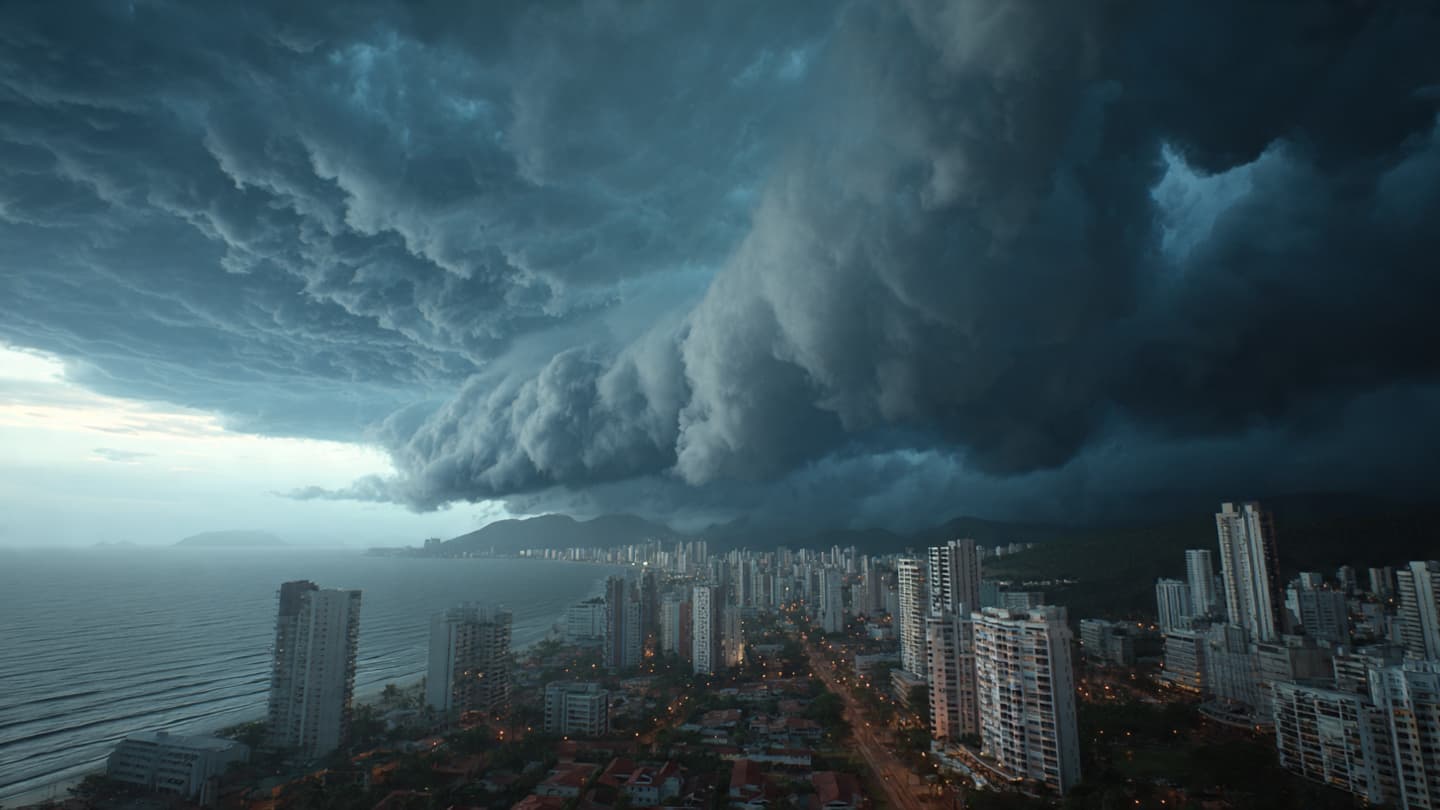
- Climate change is accelerating, leading to more extreme weather events.
- Rising global temperatures are linked to volatile weather patterns.
- Governments are pressured to adapt to unpredictable environmental conditions.
Climate change is increasingly manifesting in extreme weather events across the globe, with scientists warning that the situation may worsen as we approach 2026. Heatwaves are arriving earlier, storms are intensifying, and seasonal patterns are shifting beyond historical norms. The accumulation of environmental pressures is raising alarms among researchers who monitor atmospheric and oceanic systems.
Rising global temperatures are closely linked to more volatile weather conditions. Warmer air can hold more moisture, which increases the likelihood of heavy rainfall and flooding. Conversely, prolonged heat intensifies drought and wildfire risks in vulnerable regions. This dual threat underscores the urgent need for comprehensive climate strategies.
Recent years have seen a series of record-breaking climate events, from severe heatwaves in Europe and North America to destructive flooding in parts of Asia and Africa. Governments and emergency agencies are under increasing pressure to adapt to these unpredictable environmental conditions. The frequency and severity of these events highlight the urgent need for effective climate action.
Climate scientists emphasize that while extreme weather events cannot always be attributed to a single cause, decades of data increasingly show that global warming raises the probability and severity of many environmental disasters. The scientific consensus surrounding these long-term trends has continued to strengthen, reinforcing the need for immediate action.
Public health officials are becoming more involved in climate-related planning as extreme heat poses risks to hospitals, infrastructure, and vulnerable populations, particularly the elderly and outdoor workers. Urban areas are especially at risk due to dense construction and limited cooling spaces, making proactive measures essential for safeguarding public health.
The economic consequences of climate change are becoming increasingly visible. Agriculture, transportation networks, energy systems, and insurance industries are all facing growing uncertainty tied to environmental disruption. Analysts warn that climate-related financial losses may continue to rise in the coming decades if adaptation efforts remain uneven across regions.
Governments worldwide are responding with varying approaches, including investments in renewable energy, emissions reduction targets, and infrastructure adaptation programs. However, international climate negotiations continue to face political and economic disagreements over implementation speed and financial responsibility. The need for a coordinated global response is more pressing than ever.
Scientists stress that while climate risks are worsening, future outcomes are not entirely predetermined. Policy decisions, technological innovations, and coordinated environmental planning can still influence the scale of long-term impacts. The importance of preparation alongside emissions reduction efforts cannot be overstated.
As we move further into 2026, climate experts indicate that the world is entering a period where adaptation may become as crucial as prevention. The environmental challenges ahead are increasingly viewed not as distant possibilities but as conditions already shaping daily life across many regions of the planet. The time for decisive action is now, as the impacts of climate change are felt more acutely than ever before.
Published by Banx Network. This article is part of the Banx decentralized media programme, powered by the BXE token on the XRP Ledger.




