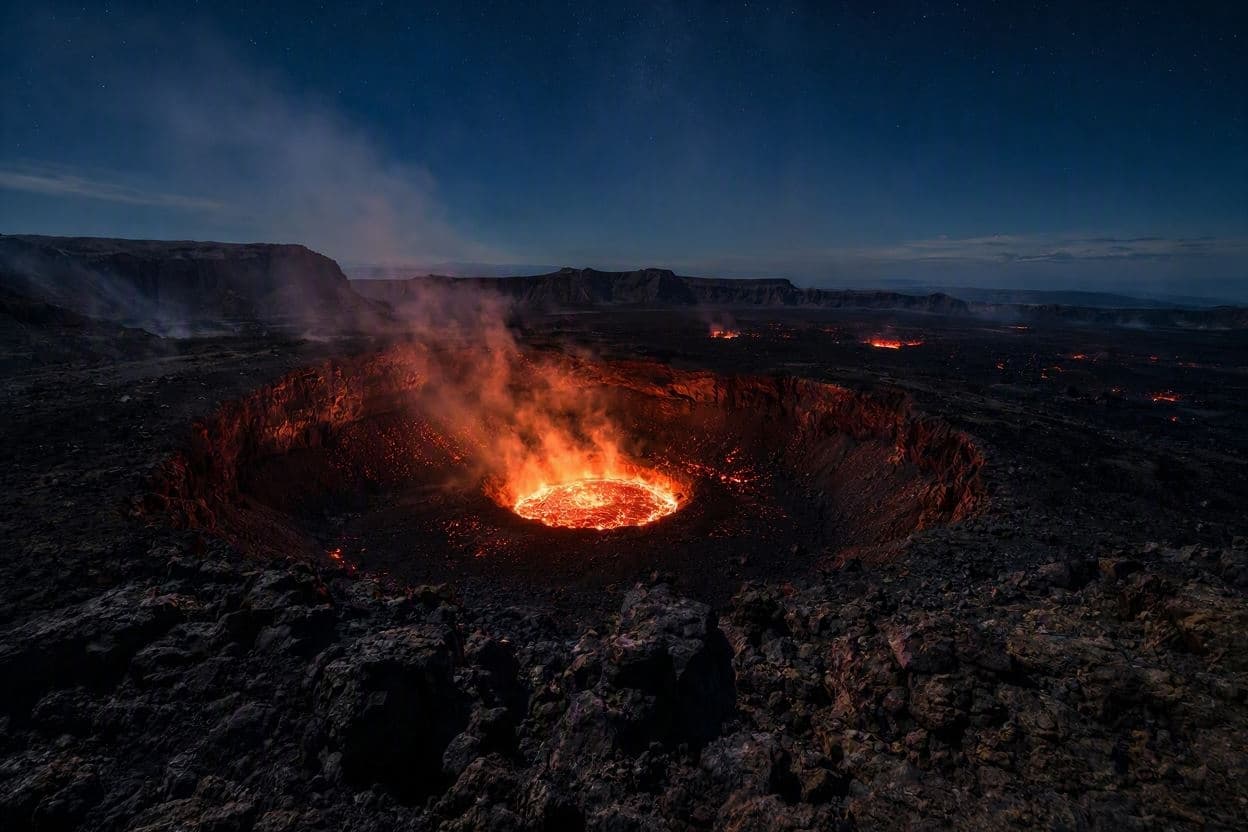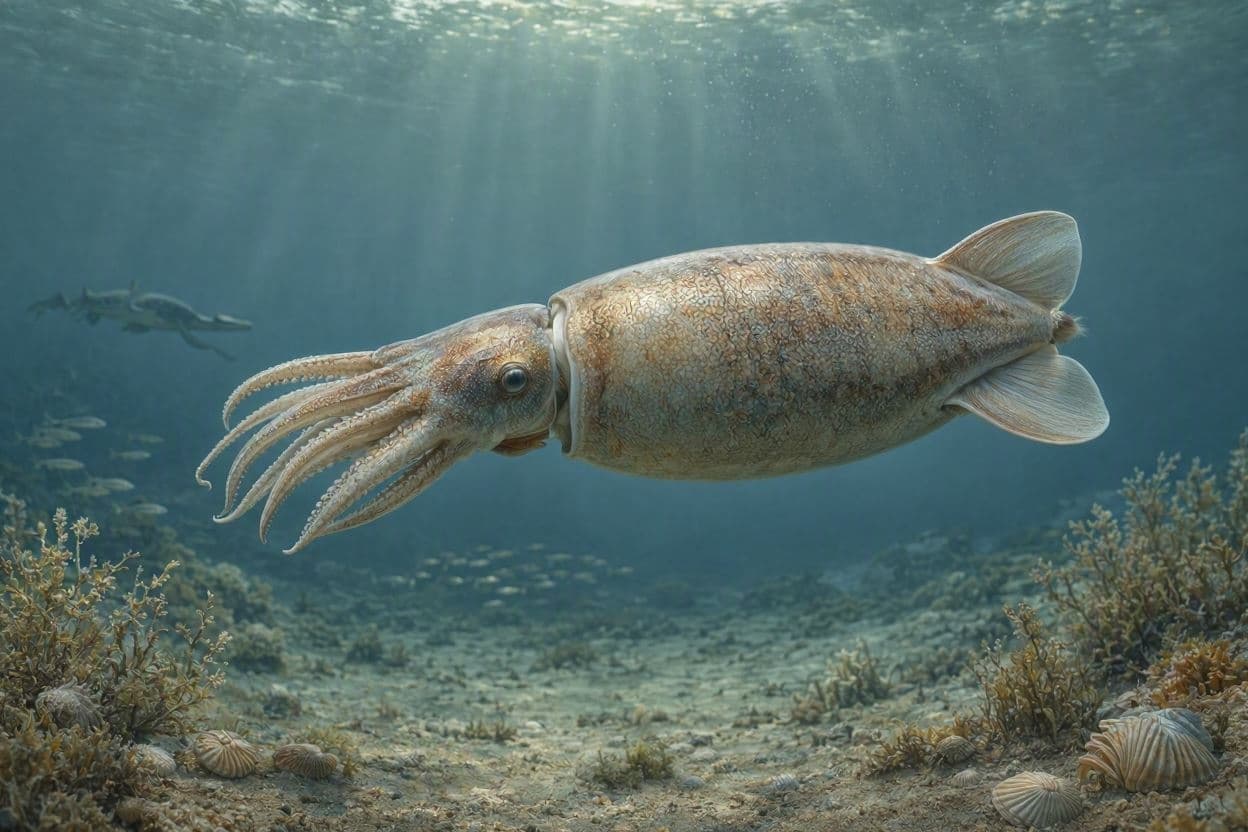
In the rugged landscapes of Wyoming, where ancient seabeds have long since turned to stone, a remarkable discovery has emerged from the Jurassic past. Paleontologists have unearthed fossils of a squid-like creature that defies the slender expectations of its kind. This belemnite, named Wyoteuthis linsterorum, boasts an unusually thick and barrel-shaped skeleton, earning it the title of the "chunkiest" or "fattest" belemnite ever found. Its robust form offers a new perspective on the diversity of marine life during the age of dinosaurs.
Belemnites were common cephalopods that swam in oceans worldwide during the Mesozoic Era. Typically, their internal shells, known as rostra, are bullet-shaped and relatively slender. However, the two specimens discovered in Wyoming display a rostrum that is significantly broader and shorter than any previously recorded. This unique morphology suggests that Wyoteuthis had a different body plan, possibly with a larger mantle or different swimming mechanics compared to its more streamlined relatives.
The fossils, dating back approximately 160 million years, were found in the Sundance Formation, a rock unit known for preserving a rich array of marine life from the Middle Jurassic period. The discovery was made by an international team of researchers who recognized the distinctiveness of the specimens immediately. The width of the rostrum is about 10 centimeters, a substantial size that indicates a large and powerful animal for its time.
This finding challenges previous assumptions about belemnite evolution and ecology. The "chunky" build may have provided stability in turbulent waters or served as a defense mechanism against predators. It also raises questions about the environmental conditions of the ancient Western Interior Seaway, which covered much of North America. The presence of such a unique species suggests a complex and varied ecosystem that supported diverse forms of life.
The name Wyoteuthis linsterorum honors the state of Wyoming and the Linster family, who supported the research. The genus name combines "Wyo" for Wyoming and "teuthis," the Greek word for squid. This nomenclature reflects the local significance of the find and the collaborative effort involved in its study. It serves as a reminder that important scientific discoveries can happen in unexpected places, even in landlocked states far from modern oceans.
Understanding the biology of Wyoteuthis helps scientists reconstruct the food webs of the Jurassic seas. As mid-level predators, belemnites played a crucial role in transferring energy from smaller organisms to larger marine reptiles and fish. The unique features of this species may indicate specialized feeding habits or niche partitioning within its community. Each fossil adds a piece to the puzzle of how ancient ecosystems functioned and evolved over millions of years.
As research continues, paleontologists hope to find more specimens to better understand the range and variability of this species. The discovery of Wyoteuthis linsterorum highlights the importance of continued fieldwork and detailed analysis of museum collections. It reminds us that the Earth’s history is written in stone, waiting to be read by those who look closely. In the quiet rocks of Wyoming, the story of a fat Jurassic squid continues to unfold.
AI Image Disclaimer: The visual content in this article is AI-generated to illustrate the prehistoric marine environment and the unique morphology of the fossil.
Sources: Phys.org, University of Manchester, Discover Magazine
Published by Banx Network. This article is part of the Banx decentralized media programme, powered by the BXE token on the XRP Ledger.