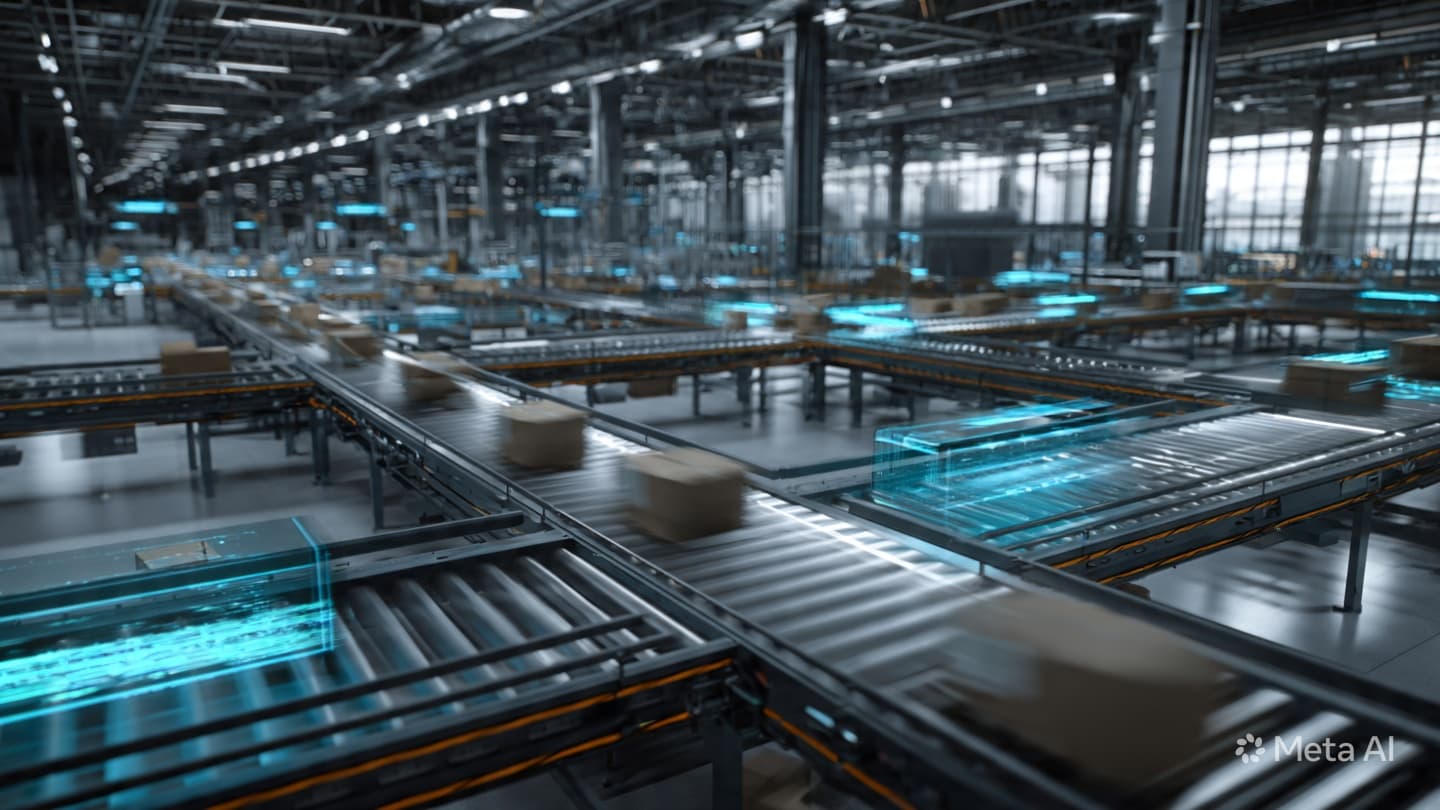
The transit hubs of Zurich function as the central nervous system of Central European logistics, where high-speed trains, cargo flights, and international sorting facilities process millions of parcels every single day. It is an environment defined by relentless motion, a mechanical landscape where automated belts and digital scanners sort the material desires of a continent in real-time. Yet, within this massive, hyper-efficient conveyor system, an unprecedented volume of artificial chemistry was quietly riding the rails.
During a synchronized inspection across several key distribution centers, federal customs officials and specialized narcotics units uncovered a record-breaking cache of synthetic illicit drugs. The shipment, packed within standard industrial containers that mimicked legitimate commercial freight, did not rely on the traditional concealment methods of the past. Instead, it used highly sophisticated chemical masking agents designed to evade both biological detection dogs and standard automated x-ray profiles.
The opening of the metal crates revealed hundreds of thousands of high-purity synthetic tablets and bulk precursor materials, representing a scale of manufacturing that indicates a massive industrial operation operating somewhere beyond the frontier. There was no dramatic chase through the terminal yards, only the quiet, methodical work of investigators wearing protective masks, cataloging the multi-colored rows of chemical pressings under the harsh white lights of the secure loading dock.
This exceptional seizure underscores how the market for illicit substances has decoupled from natural agriculture, shifting rapidly toward synthetic compounds that can be manufactured anywhere with basic laboratory equipment. These substances possess a far higher density of profit per square inch than traditional plant-based narcotics, making them highly attractive to transnational syndicates who use the standard parcel post network as their primary distribution method.
As the morning progressed, forensic chemists began testing the composition of the seized materials, identifying new variants of synthetic stimulants that present an extreme risk to public health due to their unpredictable potency. The data gathered from these laboratory analyses will be shared immediately with European warning networks, allowing health authorities to anticipate the emergence of these compounds in the urban nightlife zones.
Logistics experts point out that the sheer volume of global e-commerce has created a structural blindness that criminal networks routinely exploit, gambling that customs teams cannot inspect more than a tiny fraction of the daily volume without paralyzing the economy. The success of the Zurich operation represents a significant triumph for intelligence-led policing, which uses data profiling rather than random physical searches to find the needle in the economic haystack.
By late afternoon, the secure facilities had completed the initial logging of the contraband, which will remain under heavy state guard until its eventual incineration. The investigation has now shifted toward the digital footprints left by the shippers, tracing the anonymous accounts and cryptocurrency wallets used to pay for the transit contracts across multiple sovereign jurisdictions.
The federal transit authority released a precise statistical update confirming the record dimensions of the interception, reiterating that the defense of the logistics infrastructure against chemical exploitation remains a paramount priority for the state. The sorting belts of the great terminal continue to hum, their automated arms shifting boxes to every corner of the continent, while the guards return to the screens.
Published by Banx Network. This article is part of the Banx decentralized media programme, powered by the BXE token on the XRP Ledger.