A charity can be built around generosity, but its administration depends on something less visible: records, oversight and trust. For Naomi Campbell, that distinction became central after a tribunal overturned a five-year ban preventing her from serving as a charity trustee in England and Wales. The ruling followed a dispute over financial mismanagement at Fashion for Relief, the organization she founded.
The Charity Commission imposed the original disqualification in 2024 after investigating Fashion for Relief. The regulator had found serious misconduct and mismanagement, including the use of charity funds for expenses connected with a luxury hotel stay in Cannes, spa treatments, room service and cigarettes. The charity was subsequently dissolved and removed from the official register.
Campbell challenged the decision before the First-tier Tribunal. In its judgment issued October 1, 2026, the tribunal concluded that she had been deceived by fellow trustee Bianka Hellmich. The judges found that serious financial failures and misuse of funds resulted from Hellmich's conduct and had been concealed from Campbell.
The tribunal did not, however, describe the charity's administration as problem-free. Campbell was found to share responsibility for certain governance failures, including the late filing of accounts and shortcomings in the way the organization was managed. The judges nevertheless concluded that those failures did not justify disqualifying her from serving as a charity trustee.
The case centered partly on the relationship between Campbell and Hellmich. During the tribunal proceedings, Campbell said she had trusted Hellmich, whom she believed possessed the necessary professional expertise to manage important financial and legal matters. The tribunal found that Hellmich had used forged documents and had deceived professional advisers as well as the Charity Commission.
The Charity Commission had opposed Campbell's appeal. Its earlier investigation had uncovered significant problems in Fashion for Relief's financial administration and governance. The commission has acknowledged the tribunal's decision and said it will consider the judgment and its wider implications for the regulation of charities.
The tribunal's decision also distinguishes Campbell's situation from that of other former Fashion for Relief trustees. Hellmich received a nine-year disqualification, while Veronica Chou was disqualified for four years. The different outcomes reflect the tribunal's findings concerning each person's role and responsibility within the charity.
Campbell has welcomed the decision and said she remains committed to charitable work. The ruling does not restore Fashion for Relief itself, which was dissolved in 2024, but it removes the five-year restriction on Campbell personally serving as a trustee. The case now stands as a detailed examination of how responsibility can be assigned when a charity suffers serious financial and governance failures.
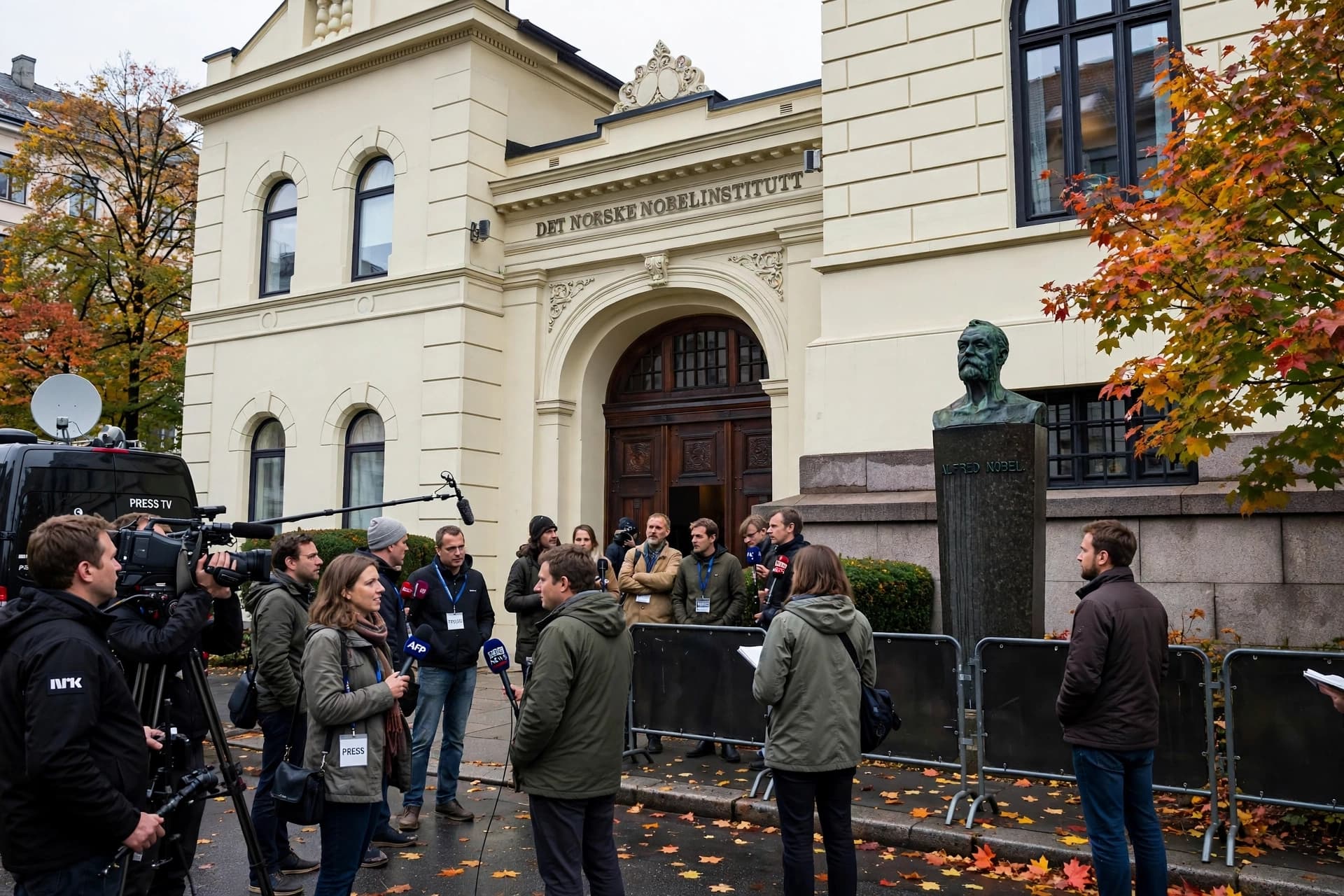
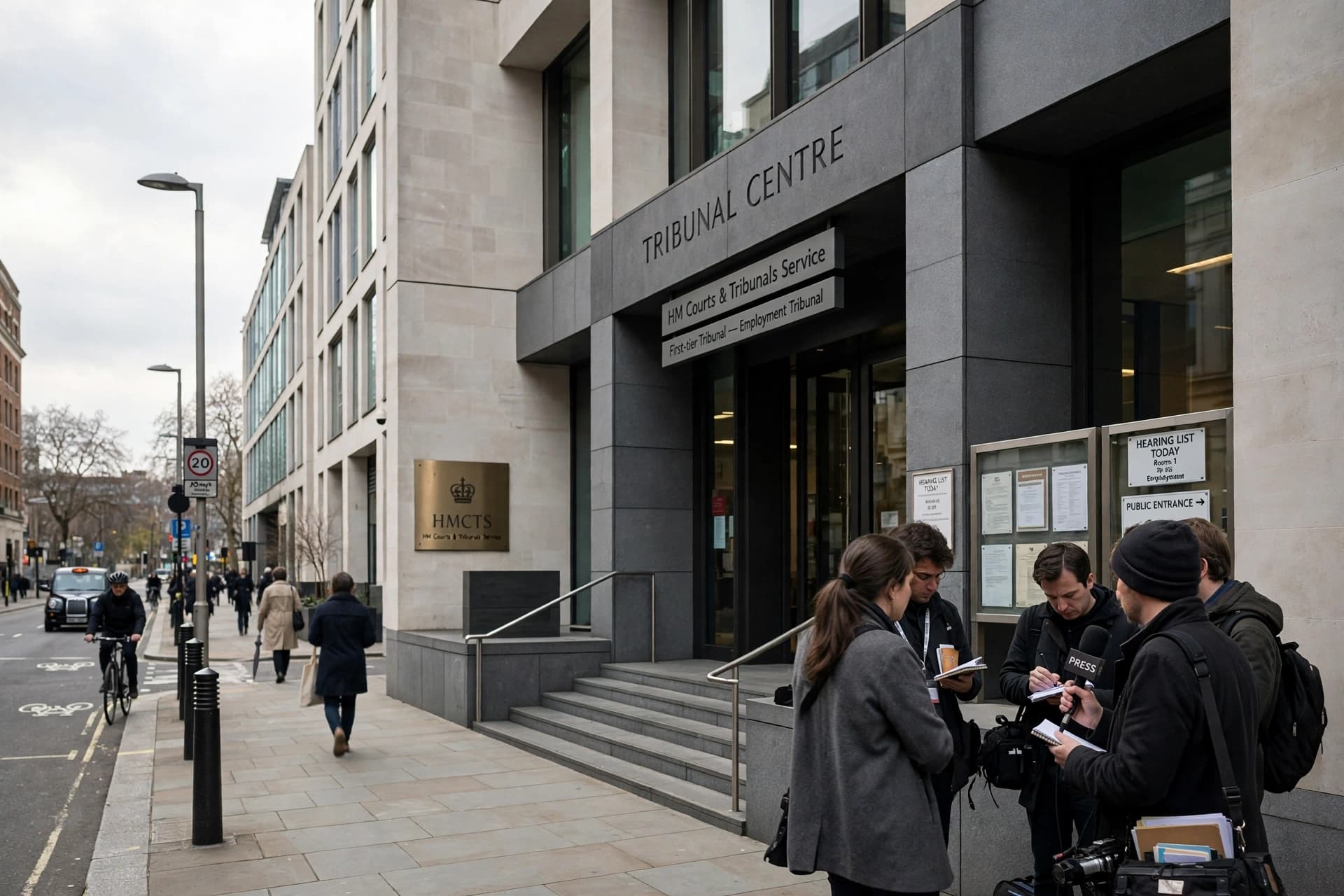
AI Image Disclaimer: The accompanying artwork is AI-generated and is intended only to illustrate the legal and charitable context described in this report.
Sources: Reuters Associated Press Courts and Tribunals Judiciary The Guardian Financial Times The Washington Post The Independent
Published by Banx Network. This article is part of the Banx decentralized media programme, powered by the BXE token on the XRP Ledger.