
Key Highlights
- Research from the University of Otago reveals significant shifts in marine species along the Otago coast due to climate change.
- Tropical species are increasingly appearing in southern waters, while traditional species migrate to cooler depths.
- The study emphasizes the urgent need for adaptive marine management strategies to protect biodiversity.
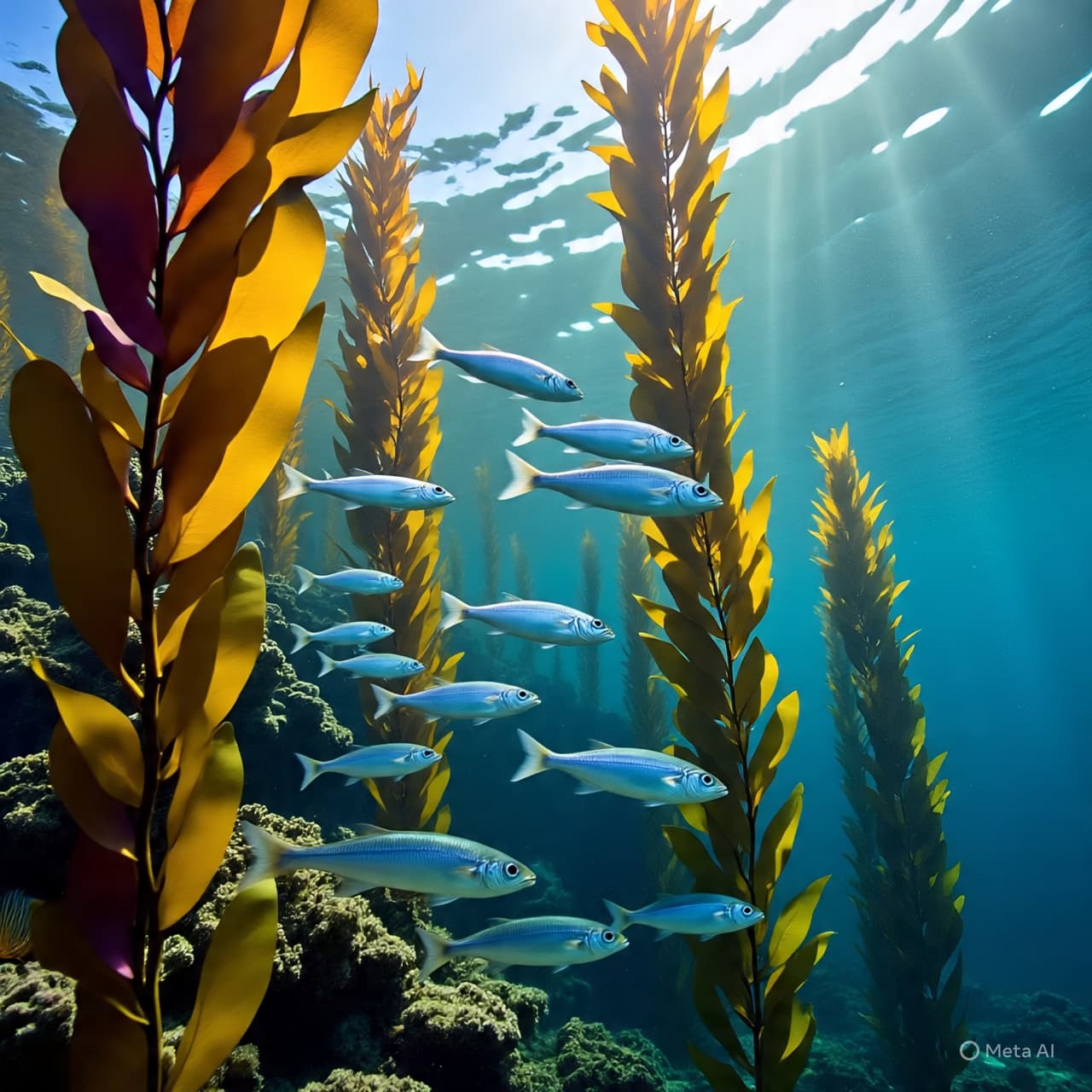
The waters of the Otago coast have long been characterized by predictable rhythms, where cold currents from the south converge with the temperate reaches of the north. However, recent observations indicate a subtle yet profound transformation in this marine environment. Researchers at the University of Otago have documented significant changes in the distribution of marine species, as traditional inhabitants of the kelp forests are increasingly displaced by newcomers from warmer waters. This shift is not merely an observation; it represents a critical study of an ecosystem undergoing a silent revolution driven by climate change.
The research highlights a dynamic landscape where familiar species are being replaced by unexpected tropical visitors. As the ocean warms, these newcomers are finding their way into southern bays, while native species retreat to deeper, cooler waters. This migration is not just a natural phenomenon; it is a response to the pressing realities of climate change, showcasing the adaptability of marine life in the face of environmental upheaval. For scientists, the ocean serves as a vast, living document, continuously rewritten by the forces of nature and climate.
Documenting the departure of established species carries a sense of melancholy, yet it also brings a sense of wonder at the resilience of life. The study delves into how these changes affect the entire marine ecosystem, from the smallest plankton to the apex predators of the ocean. It serves as a reminder that the sea is not a static entity but a vibrant participant in the planet's ongoing narrative. The boundaries of the natural world are being redrawn, influenced by the rising temperatures of the Southern Pacific.
Researchers navigate between the unpredictable conditions at sea and the meticulous work in laboratories, bridging the gap between raw oceanic realities and structured scientific data. Their efforts are crucial for mapping the future of New Zealand's food security and ecological health. The findings underscore the necessity for a new approach to marine stewardship—one that is as adaptable as the species it aims to protect. The traditional maps of the past are no longer sufficient for understanding the ocean of the future.
As fog envelops Dunedin harbor, the significance of this research becomes increasingly apparent. The ocean is not only a vital carbon sink but also a crucial resource that remains poorly understood. By documenting shifts in biodiversity, the University of Otago is providing essential evidence to safeguard the resilience of coastal communities. This work translates the movements of marine life into a call for a more conscious relationship with our oceans.
Ultimately, the University of Otago's study on marine species adaptation establishes a critical baseline for New Zealand's environmental policies in a warming climate. The research highlights the rapid changes occurring in the Southern Ocean and the urgent need for flexible marine protected areas. This scientific milestone ensures that the management of New Zealand's blue economy is informed by the latest ecological data. As species continue to migrate, our understanding must evolve, ensuring that marine life can thrive in its new, warmer habitats.
Published by Banx Network. This article is part of the Banx decentralized media programme, powered by the BXE token on the XRP Ledger.



