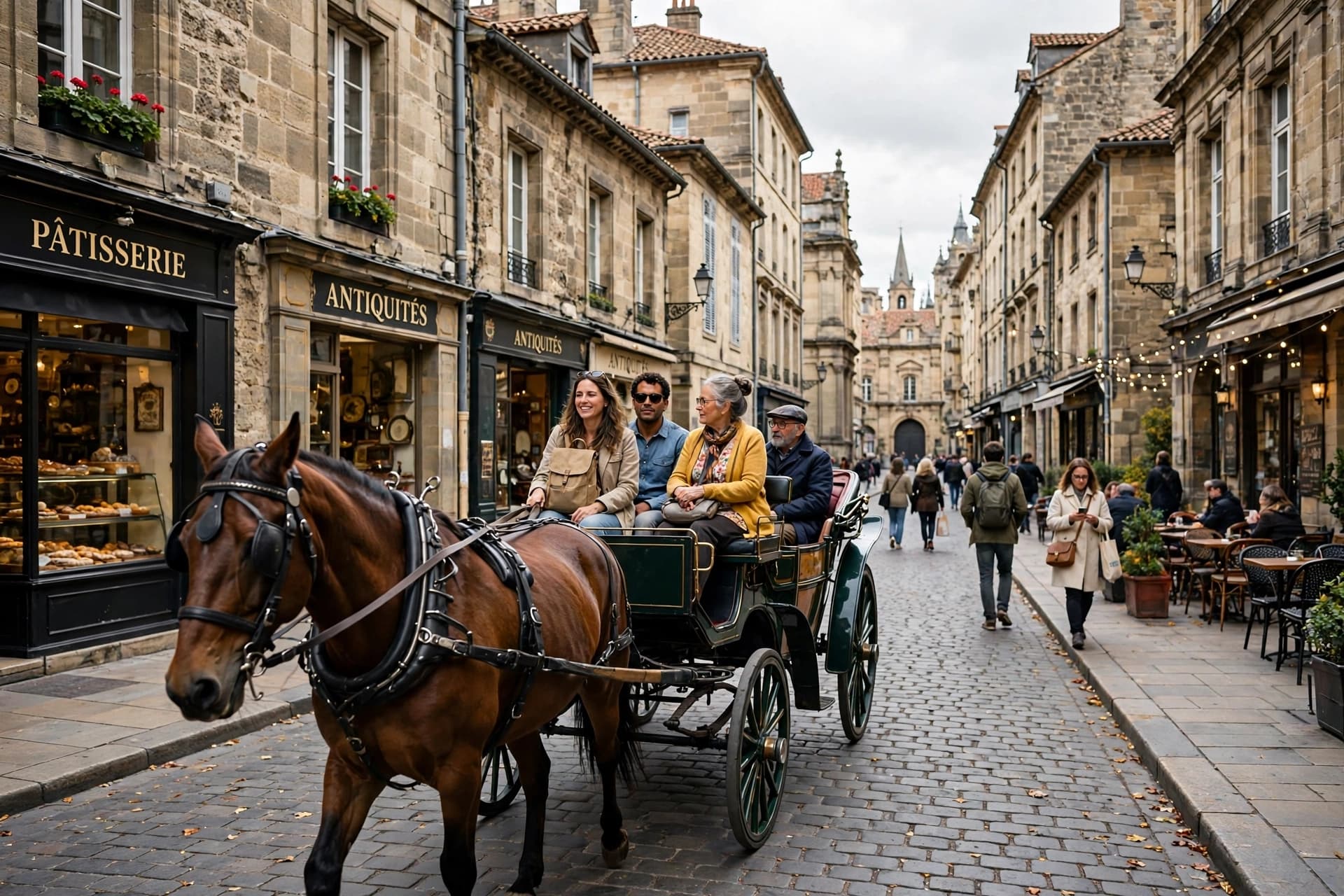
There is a particular kind of stillness that settles over a city street when the only sound is the slow, rhythmic clip-clop of hooves. It is a sound that belongs to another era, or perhaps to a tourist's imagination of one. In a handful of Canadian cities, that sound is still part of the everyday texture, a living thread connecting the present to a past that many have decided is no longer worth keeping.
New York City's recent decision to ban horse-drawn carriages by June 2028 has revived a debate that has simmered for years north of the border. The New York vote followed the death of a teenage tourist thrown from a carriage when a horse bolted, and it included provisions to help drivers and owners transition to other work . In Canada, several cities still permit the practice—Victoria, Vancouver, Quebec City, and Charlottetown among them—though the contours of the debate differ from place to place .
Montreal offers a case study in how the conversation can end. In 2018, a horse collapsed and died during a guided tour, prompting then-Mayor Valérie Plante to propose a ban that took effect in 2020. The city worked with the provincial labor department to help drivers find other work and offered owners $1,000 per horse to retire the animals . The move drew outcry from some owners, who described bonds with their horses that went beyond commerce. One horse, Sissi, was later adopted by a veterinarian couple, and her former owner said he was glad to see her doing well .
Victoria has been the site of the most sustained opposition. A 2018 video showing two carriage horses slipping, tangling harnesses, and collapsing near a cruise terminal went viral and prompted the B.C. SPCA to call for restrictions . Activist groups gathered tens of thousands of signatures pushing for a ban, but in March 2020, Victoria's council struck down a motion to ban the industry by a six-to-two vote . The issue remains a "hot-button topic," according to a city spokesperson, with protests outside city hall and operators decrying harassment of their staff .
In Quebec City, where the 400-year-old old quarter draws tourists from around the world, two companies continue to operate. One, Calèches Québec, notes on its phone line that since 2025 it no longer offers last-minute or day-of tours, a change it describes as being in the best interest of its horses . The adjustment suggests a quiet recognition that the industry's social license is not unlimited, and that operators may need to adapt before legislation forces their hand.
The arguments on both sides are not easily dismissed. Animal welfare advocates point to the inherent risks of working animals in urban traffic, the stress of heat and noise, and the cases of horses injured or killed. Operators and their supporters point to careful animal husbandry, long-standing traditions, and the livelihoods of families who have worked with horses for generations. The New York legislation attempted to address both concerns, pairing a ban with a transition plan for workers—a model that some Canadian advocates have welcomed as more fair and palatable than a simple prohibition .
For now, the carriages continue in the cities that allow them, carrying tourists through parks and old quarters, the horses moving at a pace that seems almost stubbornly pre-modern. Whether that pace will be permitted to continue is a question each city must answer for itself. The sound of hooves on pavement is not yet gone from Canadian streets. But it is no longer a sound that goes unexamined.
Image note: The visual accompanying this article is an AI-generated illustration and does not depict actual carriage operations or individuals.
Sources: CBC News, Radio-Canada, City of Victoria, Animal Alliance of Canada
Published by Banx Network. This article is part of the Banx decentralized media programme, powered by the BXE token on the XRP Ledger.