There is a ledger that the Earth keeps, written not in ink but in the atmosphere itself. Each year, it records what nations release into the sky—the residue of industry, transport, and the simple act of keeping lights on and homes warm. When the accounts are tallied, the numbers tell a story about who bears the heaviest weight in a shared responsibility.
At the top of that ledger stands China. According to recent data, China emits approximately 13.1 billion tonnes of carbon dioxide, representing roughly 32 percent of global emissions. Its dominance is driven by coal-heavy electricity generation and vast industrial production. Yet China is also the world’s largest installer of solar and wind capacity, a duality that makes its future trajectory pivotal.
The United States holds the second position, with emissions of about 4.6 to 4.9 billion tonnes, roughly 13 percent of the global total. Per capita, however, the American footprint is among the largest—13.6 tonnes of CO₂ per person, nearly three times the global average. Transportation, energy consumption, and fossil fuel use remain the primary drivers.
India ranks third with approximately 3.2 billion tonnes, or about 7 percent of global emissions. Its per capita emissions stand at 2.4 tonnes, far below the United States and China. As economic growth lifts hundreds of millions out of poverty, India’s emissions continue to rise, though its per-person footprint remains modest.
Russia follows as the fourth-largest emitter, with about 2 billion tonnes. Its per capita emissions are notably high at 14.1 tonnes, reflecting an economy based on hydrocarbon production and energy-intensive industries. The European Union, treated as a bloc, would rank third with 2.5 billion tonnes, though no single member state matches the top four. Germany, at 0.6 billion tonnes, is the largest European emitter, while Japan and South Korea also appear in the top ten.
The concentration of emissions in a few large economies is striking: the top ten emitters account for roughly two-thirds of all global CO₂ emissions. This concentration matters for climate policy, as it means that a small number of nations hold disproportionate influence over whether the world meets its temperature goals.
For all the differences in totals and per-person figures, the atmosphere does not distinguish between them. Carbon dioxide mixes across borders, and its warming effect is felt everywhere. The ledger records what each nation emits, but the consequences are shared by all.
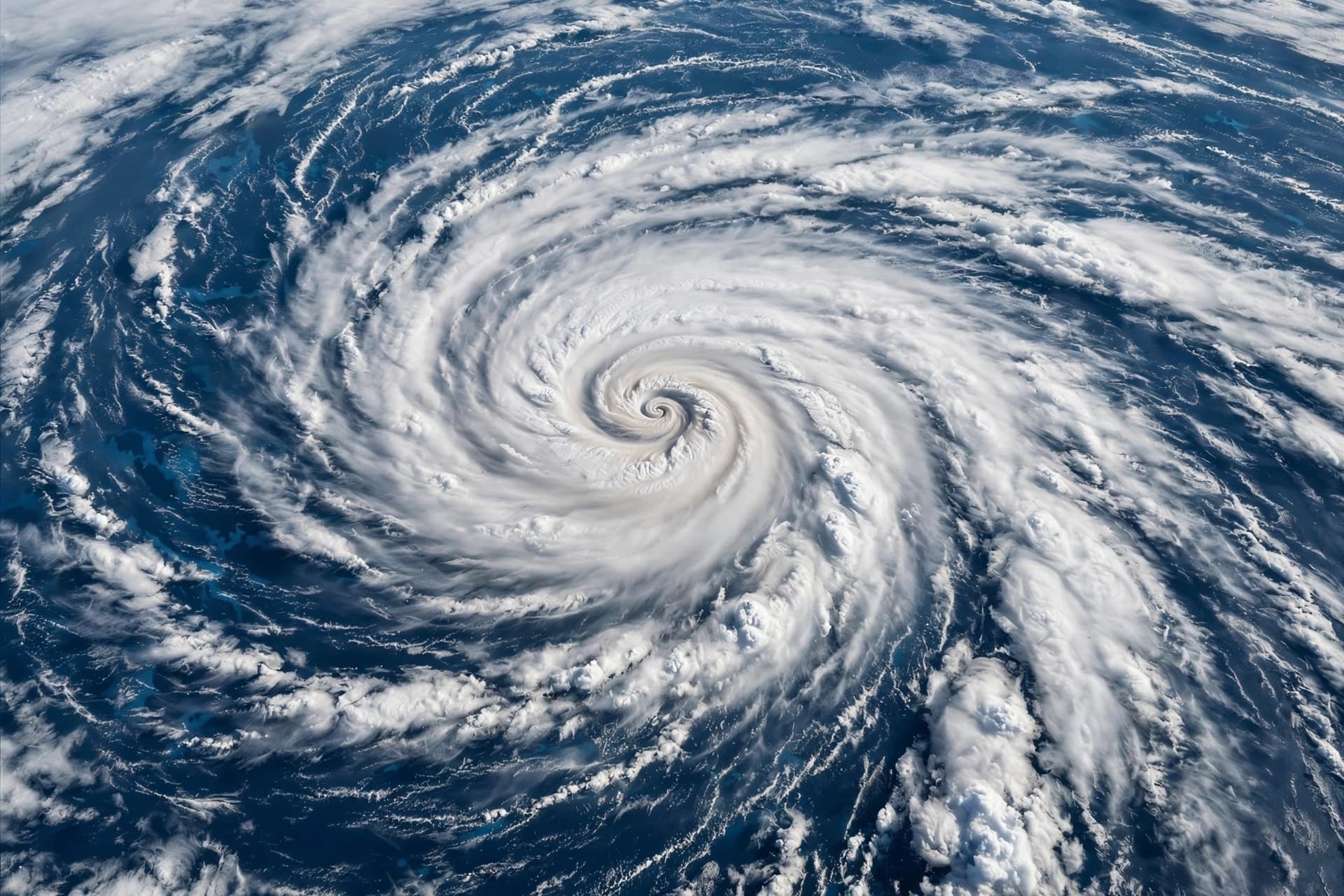
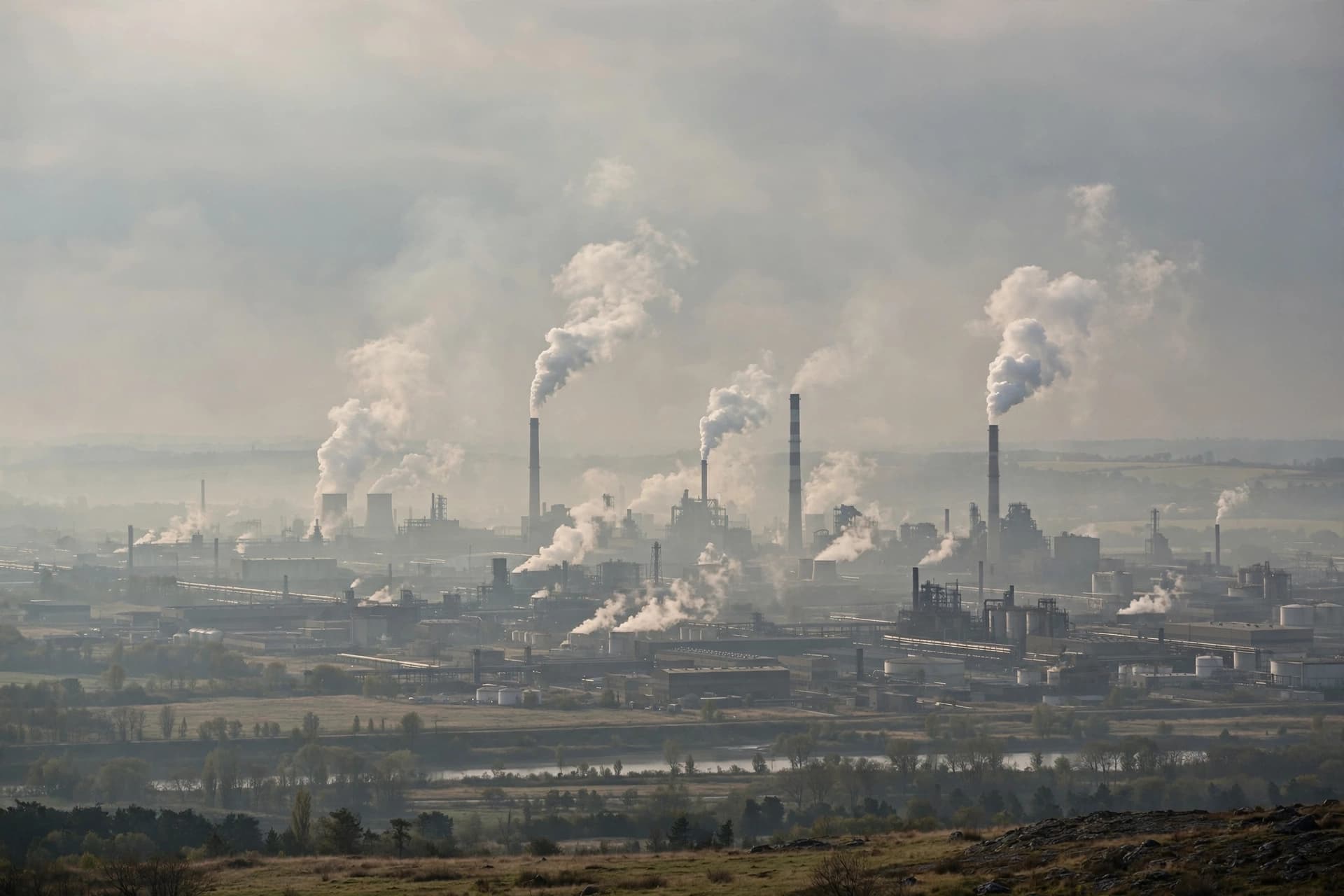
AI Image Disclaimer: Visual content accompanying this article is generated by artificial intelligence for illustrative purposes only.
Sources: Energie & Management, DEBATE, Coffset.org, ClimateObservatory.org, DuckDuckGo search results
Published by Banx Network. This article is part of the Banx decentralized media programme, powered by the BXE token on the XRP Ledger.