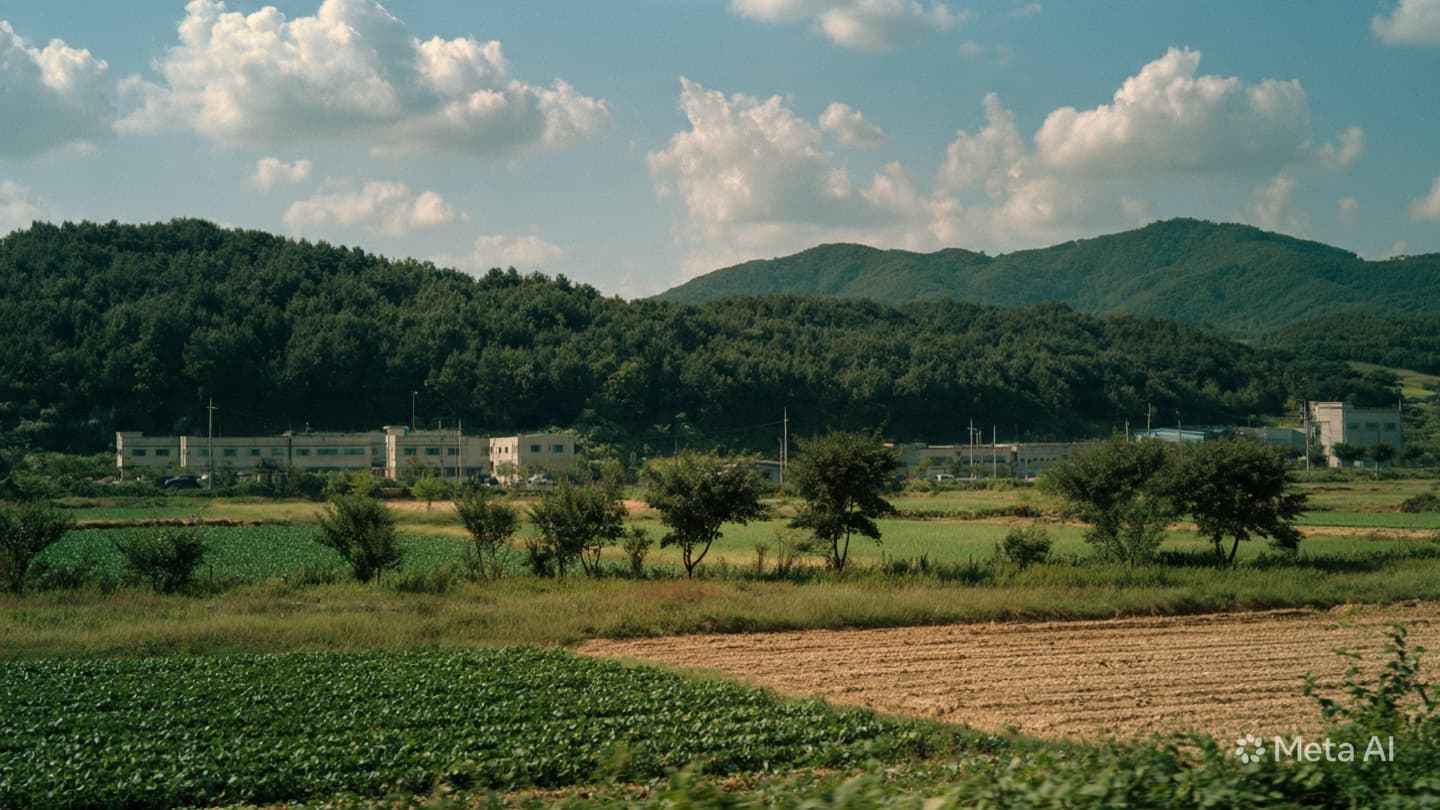
The rolling landscapes of Gyeonggi-do, where the frantic energy of the capital meets the quiet endurance of the countryside, are increasingly marked by a hidden, persistent stain. It is the legacy of the illicit waste disposal operation, a quiet form of environmental transgression that hides in the brush and the abandoned corners of the province. To the casual observer, the land may appear serene, but beneath the surface lies a complex web of discarded materials and chemicals, a physical manifestation of a society’s struggle to manage the sheer volume of its own excesses.
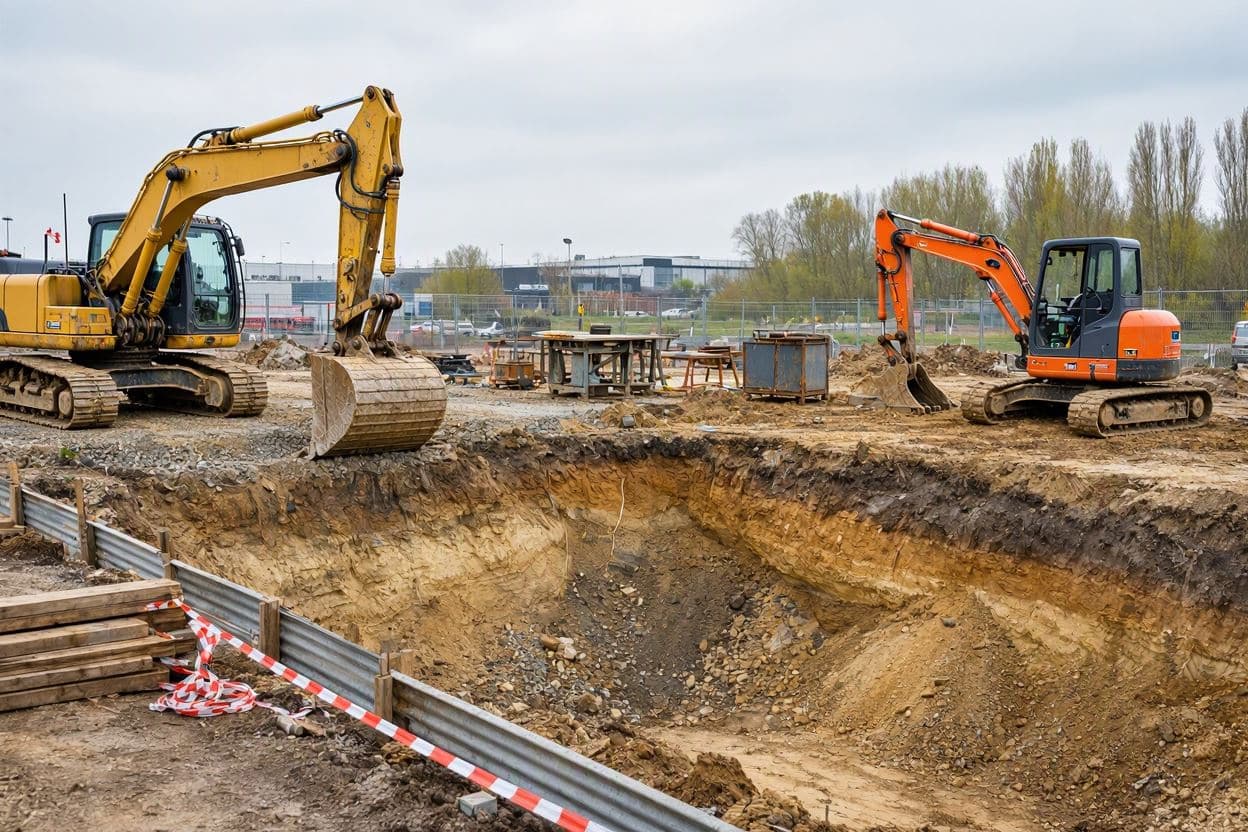
These illegal sites are not merely places of disposal; they are manifestations of a calculated negligence. Operators, driven by the desire to bypass the rising costs of formal incineration and treatment, exploit the gaps in rural surveillance to treat the province as a convenient, albeit dangerous, receptacle. They move with a shadowed, hurried efficiency, turning peaceful landscapes into temporary dumps for industrial scraps, construction debris, or even hazardous waste. It is an act of erasure, a silent attempt to make the consequences of modern consumption disappear into the earth, leaving the soil and the groundwater to bear the weight of the oversight.
When the special judicial police begin their systematic inspections, the dismantling of these operations is a process of reclamation. It is a slow, methodical task, as investigators trace the origin of the waste through ledgers, logistics records, and the silent testimony of the discarded materials themselves. Their presence in the rural districts is an act of restoration, a sign that the law does not stop at the edge of the city. Each site they uncover—whether it is a makeshift landfill hidden behind a veil of trees or a warehouse where forbidden substances have been illicitly stored—is a step toward healing the land and reasserting the sanctity of the environment.
The reflection on these illegal operations brings us to a sober realization of the fragility of our ecosystems. As Gyeonggi-do invests heavily in modernization, such as the ambitious "30g a Day" waste reduction project and the expansion of biogas and incineration capacity, the contrast with these shadow sites becomes stark. It is a battle between the future we are trying to build—one of efficiency and circularity—and the regressive habits of those who find profit in destruction. The illegal dump is a monument to an outdated, irresponsible past, a reminder that the cost of disposal is never truly avoided; it is merely deferred, to be paid by the environment and the communities who dwell within it.
As the authorities close these sites and initiate the arduous process of cleanup, the land begins its long, slow road to recovery. There is a sense of quiet triumph in the restoration of a cleared field, but it is tempered by the understanding that the threat of the illicit market remains. The work of the special judicial police is an unending narrative of vigilance, a constant calibration against the ingenuity of those who would profit from the degradation of the province. It is a commitment to the belief that the natural heritage of Gyeonggi-do is not a resource to be exploited, but a responsibility to be stewarded.
Provincial authorities have recently intensified their crackdown, deploying specialized monitoring teams and increasing surveillance to identify and dismantle illegal dumping grounds. These efforts are part of a broader, multi-year strategy to modernize waste infrastructure and eliminate the "blind spots" that facilitate illicit activities. Legal proceedings against detected operators are being pursued with increased vigor, utilizing strict environmental laws to ensure that those responsible for the dumping bear the full cost of restoration. Officials emphasize that public participation and the reporting of suspicious disposal activity remain crucial to the success of this ongoing environmental protection campaign.
Published by Banx Network. This article is part of the Banx decentralized media programme, powered by the BXE token on the XRP Ledger.