The modern digital world often feels weightless. Artificial intelligence answers questions in seconds, cloud services deliver information instantly, and online platforms connect people across continents. Yet beneath that seamless experience lies a vast physical infrastructure that continues to expand at remarkable speed.
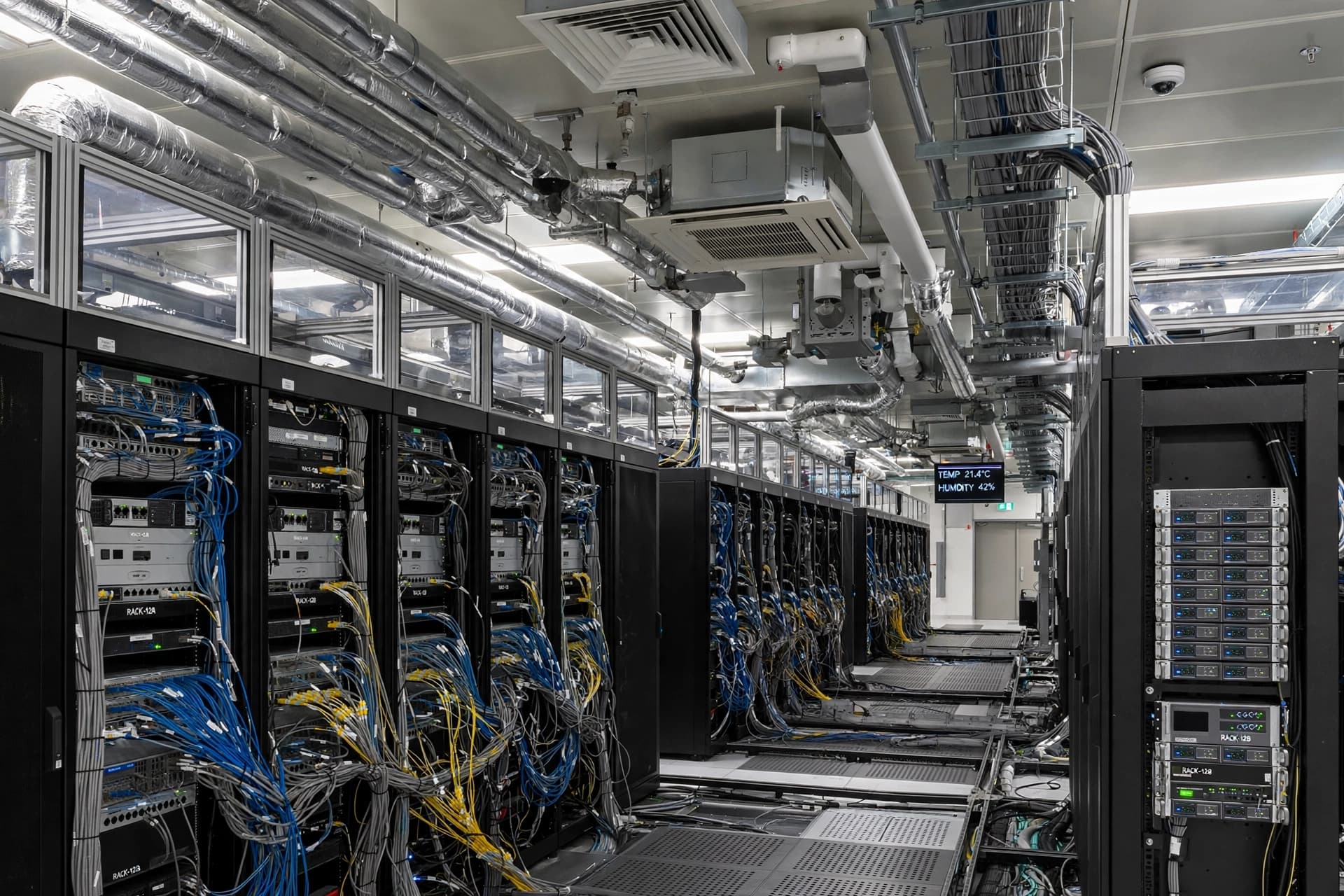
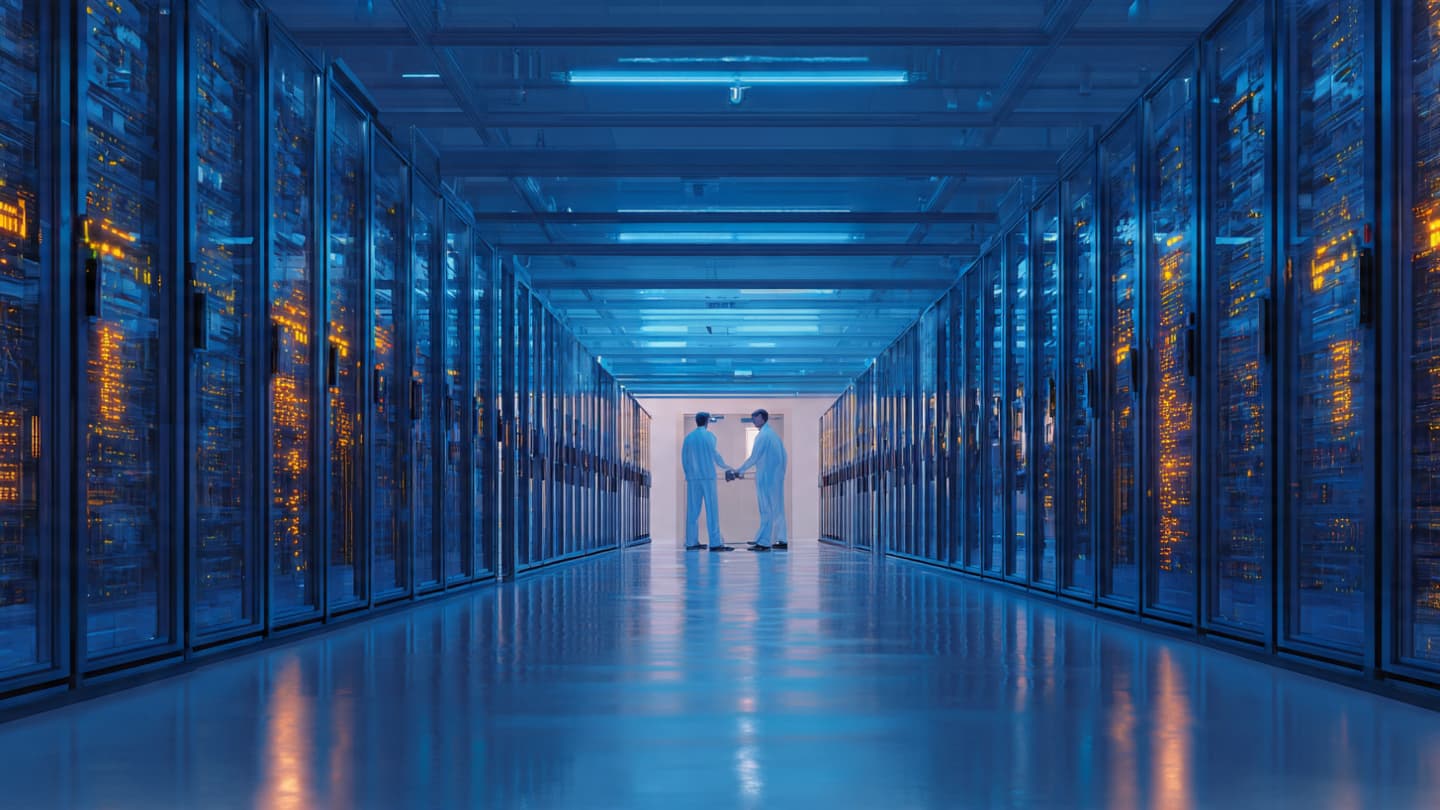
Across the United States, technology companies are investing billions of dollars in new data centers designed to support the growing demands of artificial intelligence. These facilities serve as the backbone of modern computing, housing the servers and networking systems that power digital services around the clock.
The recent surge in investment reflects the extraordinary growth of AI applications. As businesses, governments, and consumers increasingly rely on artificial intelligence tools, demand for computing capacity has risen dramatically.
Unlike traditional software services, advanced AI systems require enormous processing power. Training large models and supporting millions of users simultaneously can consume significant computational resources, creating the need for expanded infrastructure.
Major technology firms are responding with ambitious construction projects. New facilities are being planned or developed across multiple states, often in regions offering reliable energy supplies, available land, and favorable connectivity.
These projects bring both opportunities and challenges. Data centers can generate economic activity through construction, maintenance, and related business development. Communities hosting such facilities often welcome new investment and employment opportunities.
At the same time, questions regarding energy consumption remain central to discussions about AI infrastructure. Data centers require substantial electricity and cooling resources, prompting companies to explore renewable energy partnerships and efficiency improvements.
Industry leaders argue that continued investment is necessary to support future innovation. Artificial intelligence is expected to influence sectors ranging from healthcare and education to manufacturing and transportation, increasing the importance of reliable computing capacity.
Observers note that technological revolutions are often accompanied by large-scale infrastructure development. Just as railroads, highways, and telecommunications networks shaped earlier eras, data centers may become defining structures of the digital age.
Though largely hidden from public view, these facilities play an increasingly important role in daily life. As artificial intelligence becomes more deeply integrated into society, the physical foundations supporting that technology are expanding alongside it.
AI Image Disclaimer Visuals are created with AI tools and are not real photographs.
Sources Washington Post Industry infrastructure reports Technology company statements Data center analysts Energy sector research
Published by Banx Network. This article is part of the Banx decentralized media programme, powered by the BXE token on the XRP Ledger.