The high-speed highway serves as a space of pure transit, an environment engineered to eliminate distance and facilitate the constant, rapid movement of human lives. Travelers settle into the comfortable anonymity of the journey, reading, sleeping, or watching the blur of fields pass by the large windows of the passenger coaches. It is a world suspended between destinations, where safety is assumed through the steady rhythm of the engine.
This collective peace was shattered in an instant on a wide stretch of the main northern highway. A sudden, violent interaction between a large passenger bus and another vehicle disrupted the linear harmony of the route, sending the heavy transport into a chaotic trajectory across the lanes. The sound of the impact was an aggressive, metallic declaration that brought an immediate stop to the surrounding momentum.
The aftermath of the collision was a landscape of sudden stillness and intense urgency, as the trailing vehicles applied their brakes, creating an immediate wall of unmoving traffic. The interior of the passenger coach, once a quiet space of rest, became a scene of immediate confusion and distress. Emergency sirens soon began to rose from the horizon, cutting through the heavy air of the highway.
Paramedics and rescue teams arrived with a structured, disciplined speed, converting the tarmac into an open-air triage center. Five travelers, whose injuries required immediate professional intervention, were carefully stabilized and prepared for transport to the nearest regional hospitals. The movement of the stretchers was handled with a gentle, protective precision that contrasted sharply with the violence of the crash.
There is a particular solemnity that descends upon a highway when a major accident pauses the flow of thousands of lives. The truck drivers and commuters stood by their vehicles, watching the flashing red and blue lights paint the surrounding trees in rhythmic pulses. The road, usually an invisible conduit to somewhere else, had suddenly become a physical place where human vulnerability was laid bare.
Recovery crews utilized heavy winches and specialized towing rigs to separate the damaged vehicles, clearing the shattered glass and fragmented plastic that littered the lanes like dark glass. The process was slow and deliberate, requiring the careful securing of the heavy bus chassis before it could be safely towed away from the main thoroughfare. Every movement was coordinated with the highway police.
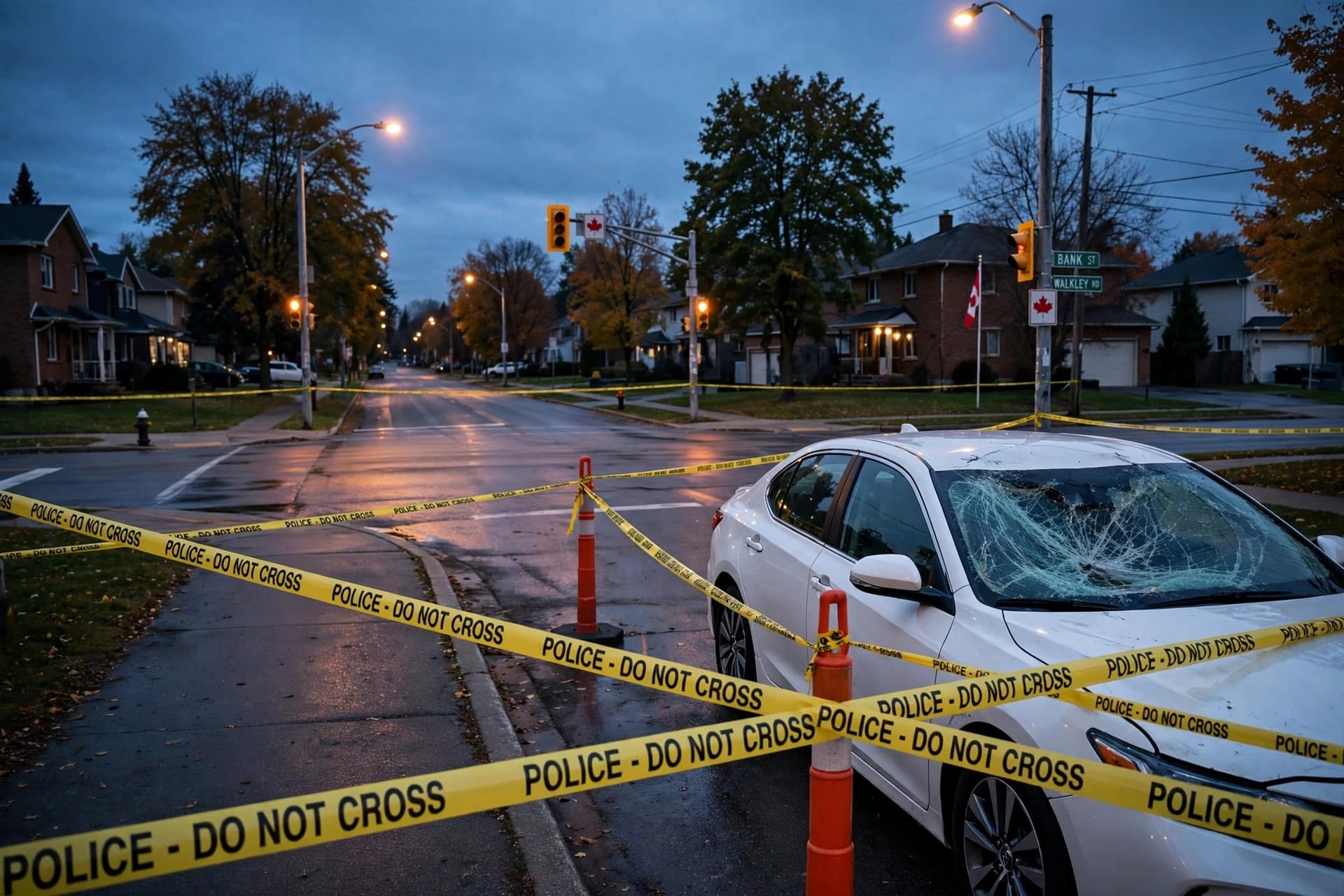
Investigators moved through the scene with tape measures and cameras, charting the final positions of the vehicles and the dark skid marks that told the mechanical story of the final seconds. These technical fragments would eventually be woven into an official report, a cold, analytical reconstruction of a moment that had forever altered the journeys of dozens of people.
By late afternoon, the primary recovery operation was completed, allowing the police to open a single lane and relieve the massive accumulation of delayed vehicles. The engines rumbled back to life, and the flow of transit was slowly restored, the cars passing the site with a slow, contemplative quietude. The highway returned to its regular purpose, carrying its travelers toward their distant homes while the traces of the collision faded into the dusk.
Published by Banx Network. This article is part of the Banx decentralized media programme, powered by the BXE token on the XRP Ledger.