
Key Highlights
- Project Overview:The Sava Riverbanks in Belgrade are undergoing a significant ecological restoration.
- Environmental Impact:The initiative aims to enhance biodiversity and mitigate urban heat effects.
- Community Engagement:Local wildlife is returning, showcasing the project's success in urban ecology.
The Sava River in Belgrade, once confined by concrete barriers, is experiencing a remarkable transformation as part of a green restoration initiative. This project, which began in the spring of 2026, aims to replace the rigid structures that have long defined the riverbanks with natural landscapes that promote biodiversity and ecological health. By implementing soft engineering techniques, the city is working to create a harmonious relationship between urban development and the natural environment.
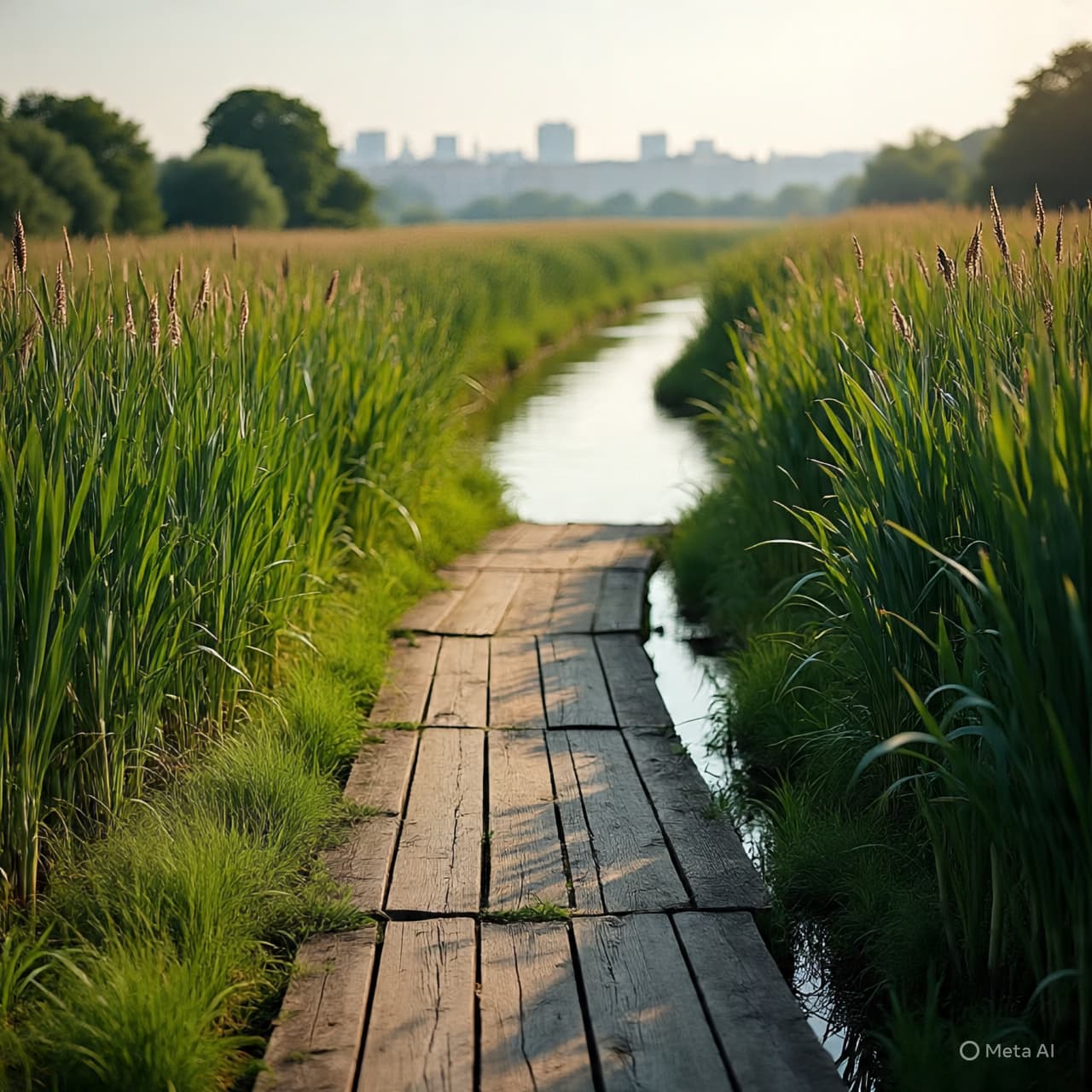
As the restoration progresses, the new riverbanks are being designed to incorporate wetlands and meadows, allowing the river to reclaim its natural flow. This approach not only enhances the aesthetic appeal of the area but also serves practical purposes, such as improving water quality and providing habitats for local wildlife. Observations indicate that birds and other species, previously absent from the city center, are returning to the revitalized marshes, signaling a successful reintroduction of nature into the urban landscape.
The project emphasizes the importance of nature-based solutions, which prioritize ecological processes over traditional engineering methods. Researchers and urban planners are closely monitoring the effects of the new vegetation, which plays a crucial role in sediment trapping and urban runoff purification. This shift in approach reflects a broader trend in Serbian architecture and urban planning, where green infrastructure is increasingly recognized as essential for sustainable development.
In addition to enhancing biodiversity, the restoration of the Sava Riverbanks addresses urban heat challenges. The project includes over five kilometers of permeable pathways and the planting of thirty thousand native species, which are designed to absorb excess heat and improve the overall microclimate of the area. Hydrological studies suggest that these soft banks can absorb up to forty percent more floodwater than conventional concrete embankments, providing a more resilient solution to flooding risks.
As the sun sets over the confluence of the Sava and Danube rivers, the revitalized shoreline reflects a commitment to sustainable urbanism that blends modern utility with ecological wisdom. This initiative is not only a local achievement but also serves as a scalable model for other riverine cities in the region, aligning with the European Green Deal's goals for biodiversity and climate adaptation.
The revitalization of the Sava Riverbanks represents a landmark achievement for Belgrade’s urban ecology. By prioritizing natural infrastructure over hard engineering, the city is paving the way for a future where urban spaces can coexist with nature. This project exemplifies the belief that even in the heart of a bustling metropolis, it is possible to create environments that nurture both human and ecological well-being. The gentle rustle of the river reeds now symbolizes a hopeful future for Belgrade, where nature and urban life can thrive together.
Published by Banx Network. This article is part of the Banx decentralized media programme, powered by the BXE token on the XRP Ledger.



