
Key Highlights
- Renewable energy in the Czech Republic reached 30% of the national electricity mix in early 2026.
- Investment in the Dukovany nuclear reactor project is on schedule, enhancing energy security.
- Over 100,000 households benefited from the 'Green Savings' subsidy program for solar installations.
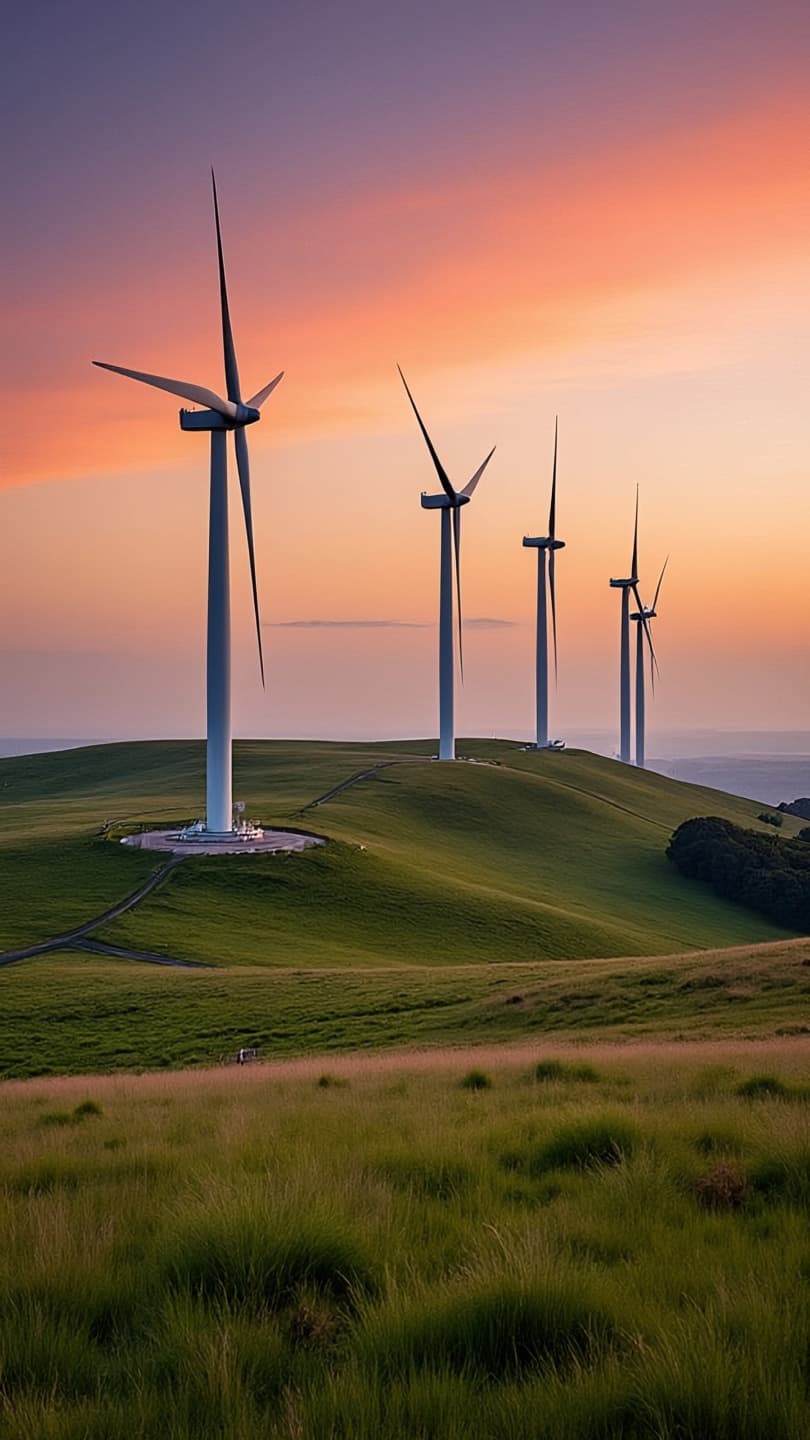
In the expanse of the Vysočina highlands, the shadows of slowly rotating wind turbines create a new rhythm for the Czech countryside. As May 2026 brings longer days and more abundant sunshine, the green energy sovereignty in the Czech Republic has transcended mere political rhetoric to become a robust infrastructure reality. This is a moment where the dependence on a fossil-fuel past begins to fade, replaced by a tapestry of technology harnessing the power of natural elements. Here, wind, sun, and atoms work in harmony to illuminate homes without leaving a soot mark in the sky.
There is a calm atmosphere of independence in the national energy control centers this month. Observing the integration of floating solar fields in former coal mines now filled with water is witnessing an extraordinary process of land healing. The air feels lighter, carrying the promise of clean air for generations to come. This is the sound of new power—the low hum of transformers channeling renewable energy into the national smart grid. It is a pursuit of sustainability with dignity.
The Czech energy transition movement of 2026 is about decentralizing power. With the emergence of energy communities in villages and small towns, every citizen now plays an active role in producing and consuming energy locally. This is the architecture of national resilience, where energy independence is viewed as a pillar of national security amid global uncertainties. It is an act of collective intelligence, proving that technological innovation combined with environmental awareness can create a more stable and equitable economy.
Reflections on the nature of light lead us to the important role of nuclear energy as a companion to renewable energy. The 2026 energy strategy emphasizes the development of efficient small modular reactors to complement solar and wind capacity. This is the soft power of stability—ensuring that the flow of electricity remains constant even as the sun sets and the wind calms. It is a reminder that a green future requires the courage to blend a legacy of precision engineering with a broad ecological vision.
Within the Ministry of the Environment, discussions revolve around long-term energy storage and thermal efficiency of buildings. The conversation is about how each building can function as an energy storage unit contributing to grid stability. There is pride that the Czech Republic is now an exporter of advanced battery storage technology in Central Europe. The transition from wasteful consumption to wise resource management is a commitment to a profound environmental ethic.
One can feel the impact of this transformation in the stability of household energy costs and the improved air quality in former industrial areas. Cities feel fresher and healthier. The energy revolution of 2026 is proof that when a nation chooses to align itself with the forces of nature, it not only secures its current needs but also bequeaths a more livable world for the future.
The Czech Ministry of Industry and Trade reports that the proportion of renewable energy in the national electricity mix has reached 30% in the first half of 2026. Investment in the new Dukovany nuclear reactor project remains on schedule, while the 'Green Savings' subsidy program has helped over 100,000 households install solar panels and heat pumps.
Data also shows a 20% reduction in carbon emissions from the energy sector compared to 2022. Additionally, the establishment of the National Energy Security Agency recently underscores the government's commitment to protecting vital infrastructure from cyber threats while continuing to accelerate the decarbonization of heavy industry.
Published by Banx Network. This article is part of the Banx decentralized media programme, powered by the BXE token on the XRP Ledger.



