
Key Highlights
- Breakthrough:Northwestern University engineers unveil artificial neurons.
- Communication:New neurons can interact with biological neurons.
- BCI Surgery:China completes its first live-streamed brain-computer interface surgery.
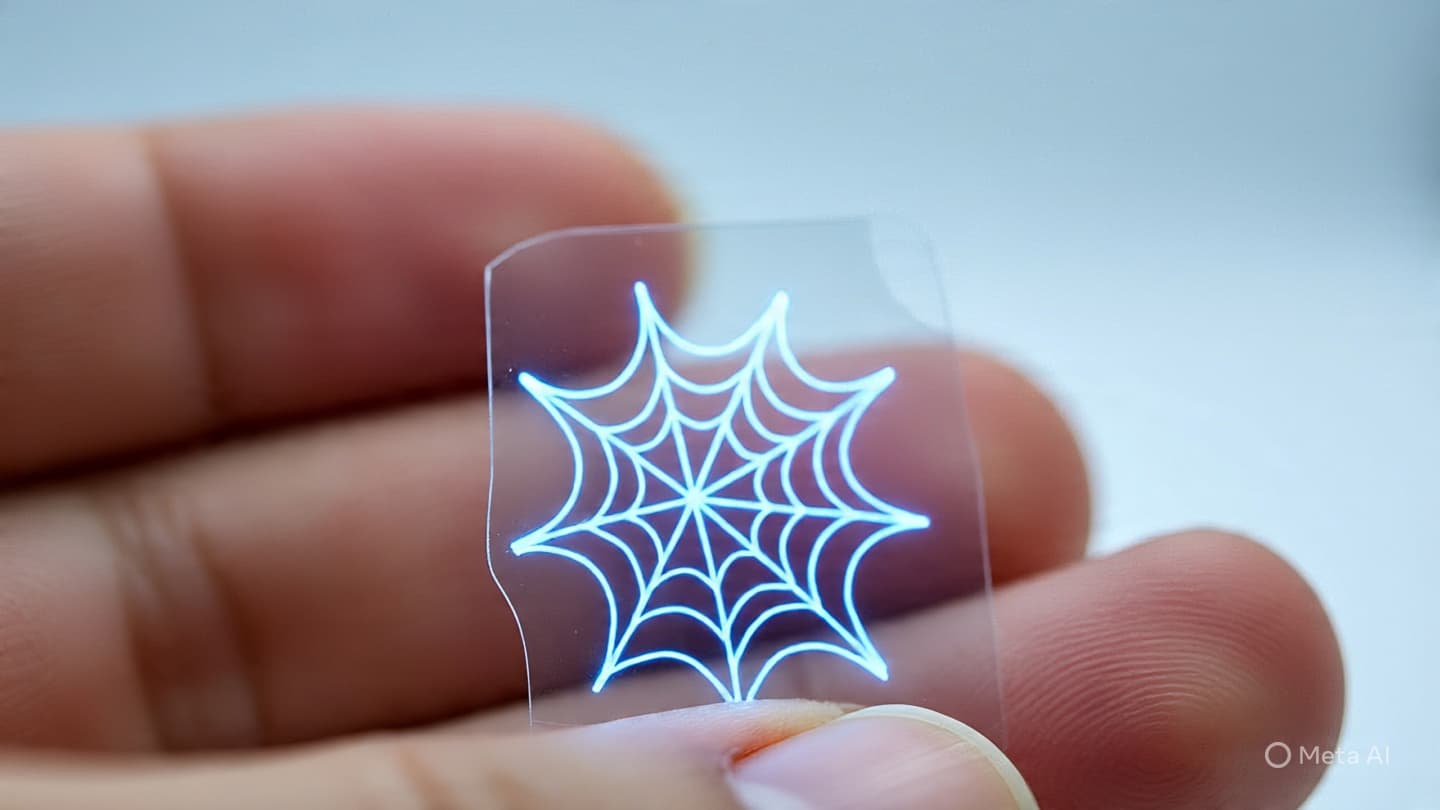
In the sterile, high-precision laboratories of Northwestern University on April 18, 2026, a groundbreaking advancement in neurotechnology was announced. Engineers unveiled the first artificial neurons capable of communicating directly with biological neurons, marking a significant leap in the field of brain-machine interfaces. This innovation represents a merging of biology and engineering, where the boundaries are increasingly blurred, and the potential for new forms of communication is being explored.
The development of these flexible, low-cost artificial neurons is not just a technical achievement; it signifies a profound shift towards a more integrated approach to medicine. These devices generate lifelike electrical signals that mimic natural neural activity, creating a bridge that allows machines to communicate in the native language of the human brain. This advancement is expected to enhance prosthetic and rehabilitative care, providing a more seamless interaction between technology and the human body.
The architecture of these artificial synapses is rooted in the principles of organic electronics, emphasizing the importance of compatibility with biological systems. This approach prioritizes not only the processing speed of devices but also their ability to integrate within the human body. The report from April 2026 serves as a roadmap for utilizing these low-cost, printable neurons to repair damaged neural pathways and improve the interface between the mind and digital technologies.
In parallel, China has made strides in this field by completing its first live-streamed surgery using the
Published by Banx Network. This article is part of the Banx decentralized media programme, powered by the BXE token on the XRP Ledger.



