
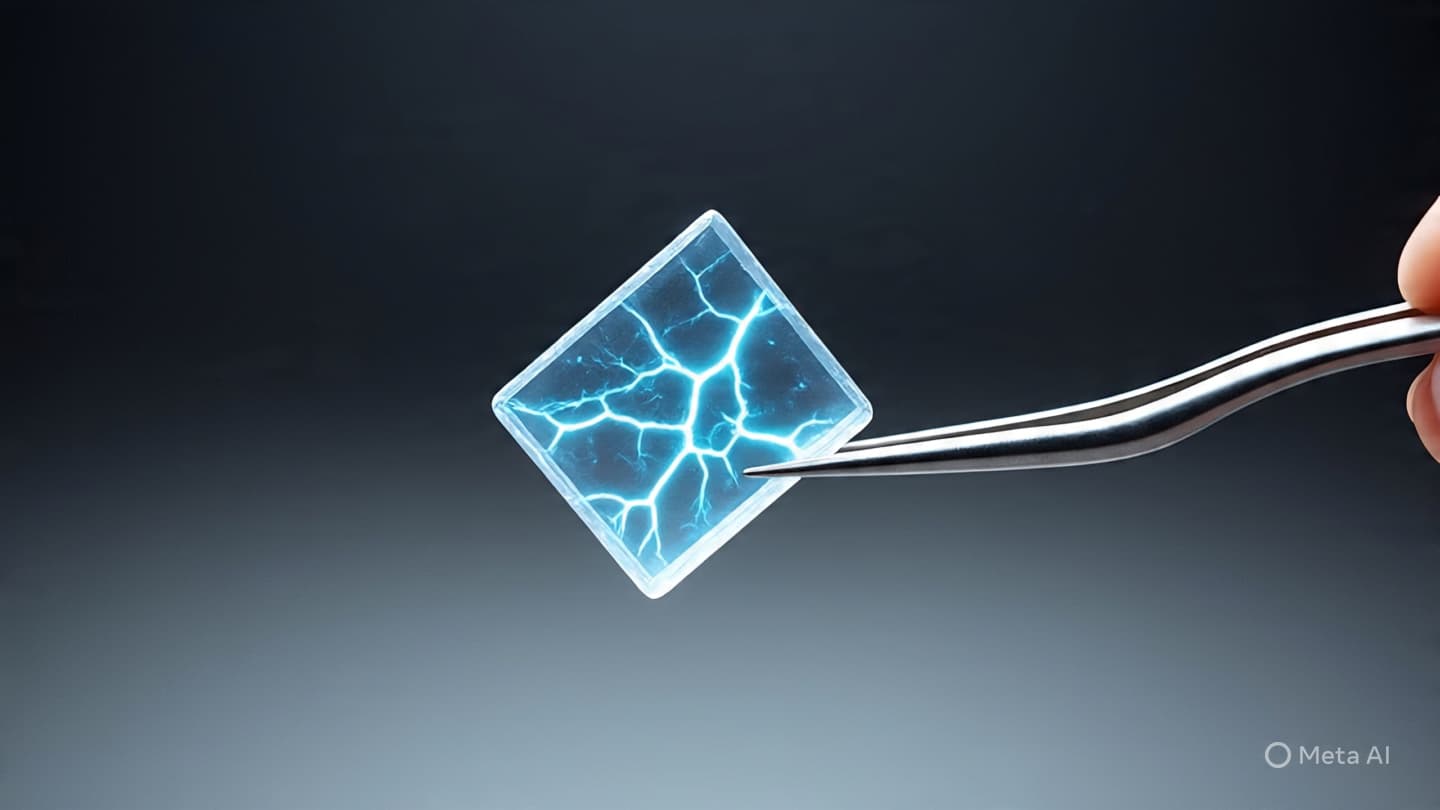
Key Highlights
- Breakthrough Development:Northwestern University engineers create 3D-printed artificial neurons that communicate with living brain cells.
- Major Milestone:China performs the first live-streamed surgery of the Beinao No. 1 brain-computer interface (BCI).
- Future of Neuroprosthetics:Innovations promise seamless integration between technology and biology.
In April 2026, engineers at Northwestern University achieved a significant milestone in neurotechnology by developing 3D-printed artificial neurons capable of communicating directly with living brain cells. This groundbreaking advancement utilizes specialized electronic inks to create flexible, low-power devices that successfully activated mouse brain tissue. This innovation not only represents a technical achievement but also paves the way for more effective neuroprosthetics that can seamlessly integrate with human biology.
The atmosphere in the Northwestern laboratories was charged with excitement as researchers unveiled these artificial neurons, which are designed to mimic the natural communication pathways of the brain. By bridging the gap between silicon and synapse, these devices are set to revolutionize the field of brain-computer interfaces (BCIs). The implications of this technology extend beyond mere functionality; they suggest a future where machines can interact with human cognitive processes in a more intuitive and efficient manner.
Simultaneously, a remarkable event unfolded in China, where the first live-streamed surgery of the Beinao No. 1 BCI took place. This semi-invasive system features 128-channel signal acquisition and motion-intent decoding capabilities, allowing for rapid communication with the brain without direct contact with delicate brain tissue. The surgery was broadcasted to hundreds of experts, highlighting the global interest in advancements in BCI technology and its potential to enhance human capabilities.
The development of these artificial neurons and the Beinao No. 1 BCI signifies a shift towards more bio-fluent technology. The focus on biocompatibility and energy efficiency is crucial as the medical community seeks to create devices that not only function effectively but also respect the integrity of human biology. The Northwestern team’s work exemplifies this ethos, as they strive to ensure that their innovations can be safely integrated into clinical settings.
As the second half of 2026 approaches, the impact of these advancements is already being felt. There is a growing demand for energy-efficient hardware and soft electronics, which are becoming increasingly important in clinical validation processes. The integration of these technologies into everyday medical practices could lead to a new era of rehabilitation, where patients can benefit from home-based recovery solutions supported by advanced neuroprosthetic devices.
The narrative surrounding these developments is not just about technological progress; it is also about the human spirit and resilience. The ability to create devices that can restore lost functions and enhance quality of life is a testament to the ingenuity of researchers and the collaborative efforts of the global scientific community. As we move forward, the potential for these innovations to transform lives remains a powerful motivator for continued research and development in the field of neurotechnology.
In conclusion, the advancements made by Northwestern University and the successful implementation of the Beinao No. 1 BCI mark a significant step towards a future where technology and biology coexist harmoniously. The journey towards seamless neuroprosthetics is just beginning, and the possibilities are as vast as the human imagination.
Published by Banx Network. This article is part of the Banx decentralized media programme, powered by the BXE token on the XRP Ledger.



