
Key Highlights
- Queensland is experiencing a severe heatwave, raising fire risks.
- Authorities are urging communities to prepare for potential bushfires.
- The landscape is transforming, with dry conditions increasing vulnerability.
The current heatwave gripping Queensland has brought with it a palpable sense of urgency as temperatures soar, creating conditions ripe for bushfires. The shimmering heat distorts the horizon, and the air feels heavy, a stark reminder of the environmental challenges faced by the region. As the mercury climbs, the lush greenery of the wet season gives way to a brittle landscape, signaling a shift that residents know all too well.
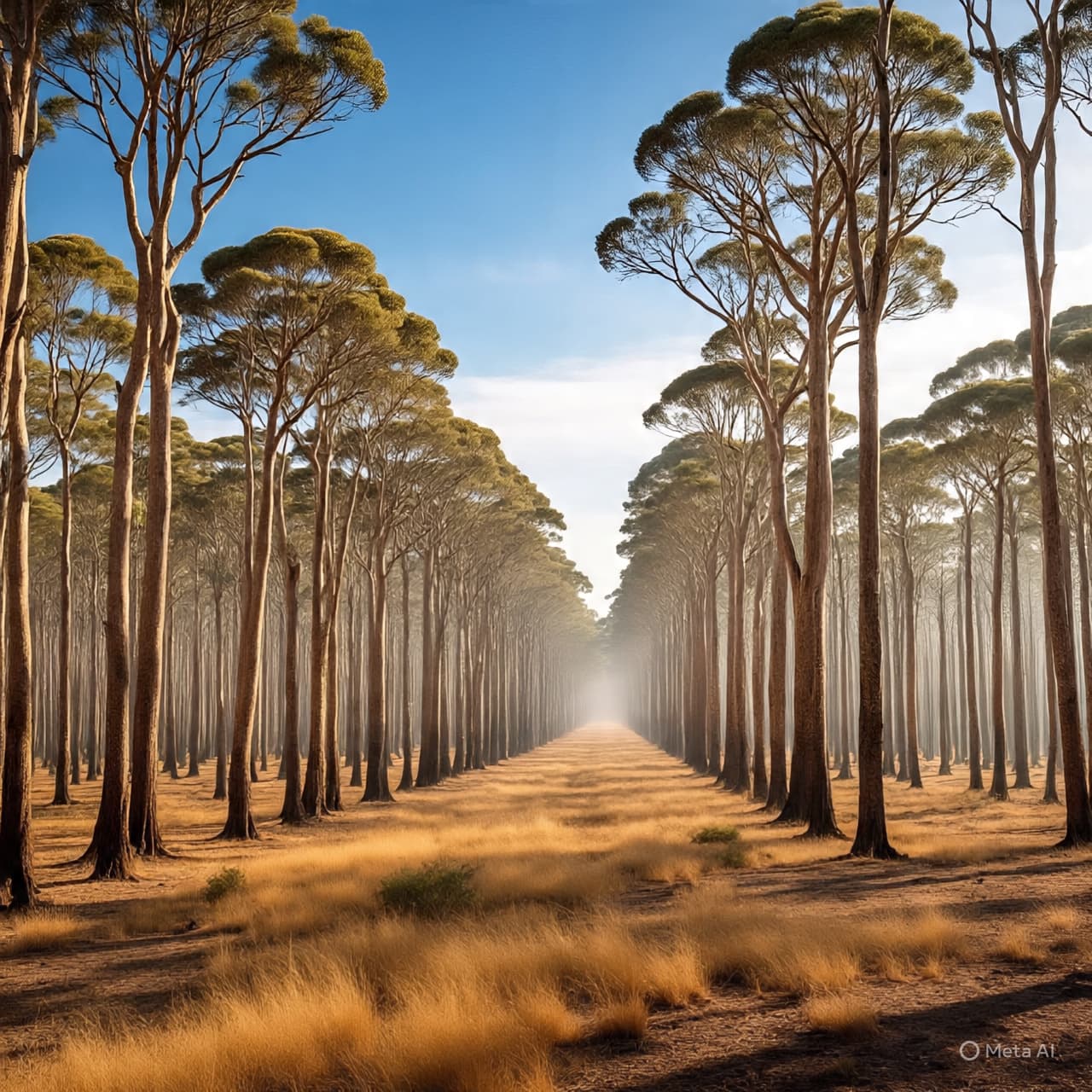
In the heart of Queensland, the transformation of the environment is both subtle and alarming. The vibrant greens that once characterized the area are now replaced by shades of ochre and gold, as the relentless heat takes its toll. Leaves that were once full of moisture now rustle like paper, indicating the dry conditions that precede potential fire outbreaks. This change is not merely aesthetic; it is a warning of the potential dangers that lie ahead as the ground hardens and cracks under the heat.
Authorities have begun to issue warnings about the increasing fire risks associated with the heatwave. These alerts serve as a reminder for residents to remain vigilant and prepared. In a region accustomed to the duality of beauty and danger, the heatwave is more than just a seasonal discomfort; it is a precursor to a more serious threat. The community's relationship with the environment is one of respect and caution, as they navigate the delicate balance between enjoying the natural beauty and recognizing the risks it poses.
In small towns nestled against the Great Dividing Range, daily routines have adapted to the sun's intensity. Workdays start early, with residents seeking refuge from the midday sun. Conversations often turn to the potential for bushfires, a topic approached with a mix of stoicism and concern. The community is acutely aware of the stakes involved, and there is a collective understanding that preparation is key to safety.
Water, once abundant and a source of joy, is now a precious resource carefully managed. Residents employ sprinklers to combat the dryness, a small act of defiance against the overwhelming heat. The landscape has become a tinderbox, where even the slightest spark could ignite a devastating fire. As the community watches the skies for signs of change, the atmosphere is charged with anticipation and anxiety.
The heatwave has also altered the natural rhythms of wildlife. Birds that typically fill the air with song have retreated into the shadows, leaving behind the persistent drone of cicadas. This shift in the soundscape reflects the broader impact of the heat on the ecosystem, where the delicate balance of life is threatened by rising temperatures. The landscape, once vibrant and alive, now stands on the brink of transformation, ready to respond to the slightest disturbance.
Emergency services are on high alert, preparing for the worst as the heatwave continues. Their readiness is a source of comfort for the community, as they work to ensure safety amidst the growing risks. The presence of these professionals serves as a reminder of the collective responsibility to remain vigilant and prepared. As the sun sets, casting a fiery glow across the sky, the fire risk remains a constant companion, a silent reminder of the challenges faced by those living in this beautiful yet precarious environment.
As night falls, the warmth radiating from the earth keeps the air thick and restless, a stark contrast to the cooler temperatures that many hope for. The cycle of heat and risk continues, a testament to the resilience of Queensland's residents as they navigate the complexities of living in harmony with nature while preparing for the threats it can pose.
Published by Banx Network. This article is part of the Banx decentralized media programme, powered by the BXE token on the XRP Ledger.



