
Key Highlights
- New Zealand enhances its role in the Multilateral Polar Research Initiative.
- Advanced atmospheric sensors and deep-ice drilling equipment deployed.
- Collaborative research aims to understand ice-shelf stability impacts on sea levels.
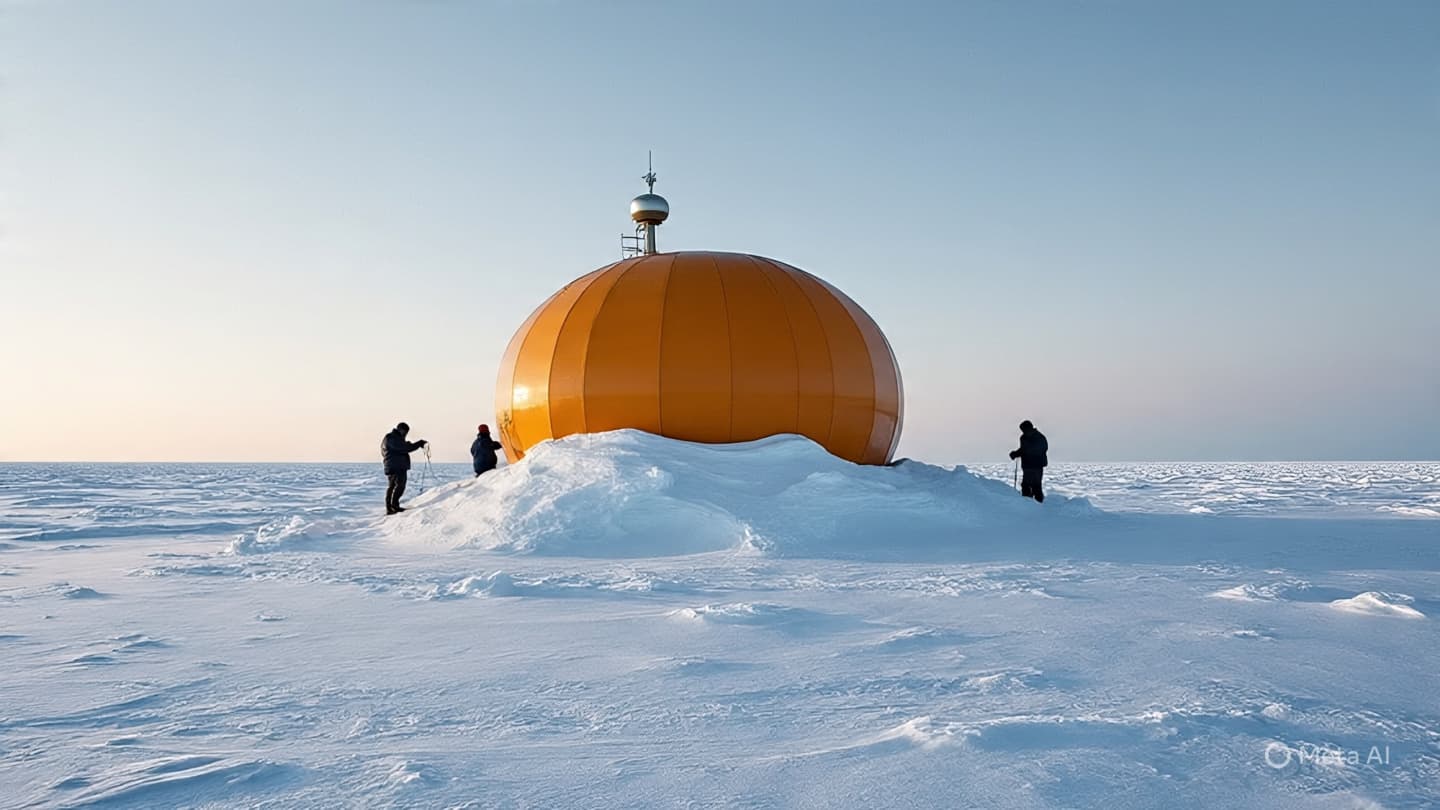
New Zealand is stepping up its commitment to the Multilateral Polar Research Initiative, a collaborative effort that brings together researchers from around the globe to study the critical impacts of climate change on the Antarctic region. This week, the atmosphere at Scott Base, New Zealand's research station in Antarctica, is charged with purpose as scientists deploy advanced atmospheric sensors and deep-ice drilling equipment. This initiative is not just about gathering data; it represents a significant shift towards a more cooperative approach to polar research, emphasizing the importance of shared knowledge in addressing global climate challenges.
The initiative focuses on understanding the long-term impacts of ice-shelf stability on global sea levels, a pressing concern as climate change accelerates. Researchers are working diligently to analyze subglacial water samples and refine sea-level rise models, all while maintaining a commitment to the sanctity of undisturbed nature. This approach underscores the belief that the strength of a nation lies in its contributions to the global commons, particularly in the face of environmental crises.
As the second quarter of 2026 progresses, the implications of this polar surge are becoming increasingly evident. The demand for specialized cold-weather technology is on the rise, and the concept of cryospheric health is gaining traction as a central pillar of international security. New Zealand's proactive stance in this initiative positions it as a leader in climate stewardship, showcasing how a nation can protect its ice while advancing scientific understanding.
The collaboration among international research teams is a testament to the power of collective action. By sharing data and insights from their findings, these scientists are not only building a physical shield for the future of the planet but also fostering a culture of transparency and cooperation. The research stations in Antarctica serve as sanctuaries for scientists, providing a roadmap for navigating the complexities of a warming globe through the lens of observed ice.
In this frozen desert, where the sun barely rises above the horizon, there is a profound stillness that speaks to the urgency of the work being done. The New Zealand flag flutters against the stark white landscape, symbolizing the nation's commitment to scientific inquiry in the most inhospitable corners of the earth. As research vessels navigate the ice-choked waters of the Ross Sea, the atmosphere is imbued with a sense of clarity and purpose, reflecting a future built on shared curiosity and collaborative effort.
Ultimately, the story unfolding in Antarctica is one of resilience and hope. It serves as a reminder that our greatest achievements are those that contribute to a deeper understanding of the world we inhabit. In the clear polar light of 2026, as samples are collected and data shared, we are reminded that the future of our planet is intricately linked to the integrity of its ice and the brilliance of its people.
Published by Banx Network. This article is part of the Banx decentralized media programme, powered by the BXE token on the XRP Ledger.



