
Key Highlights
- Researchers at the University of Otago have developed innovative transformable nanoparticles for cancer treatment.
- These nanoparticles reshape into nanofiber networks at tumor sites, enhancing drug delivery precision.
- The new approach aims to minimize side effects while maximizing the effectiveness of therapies.
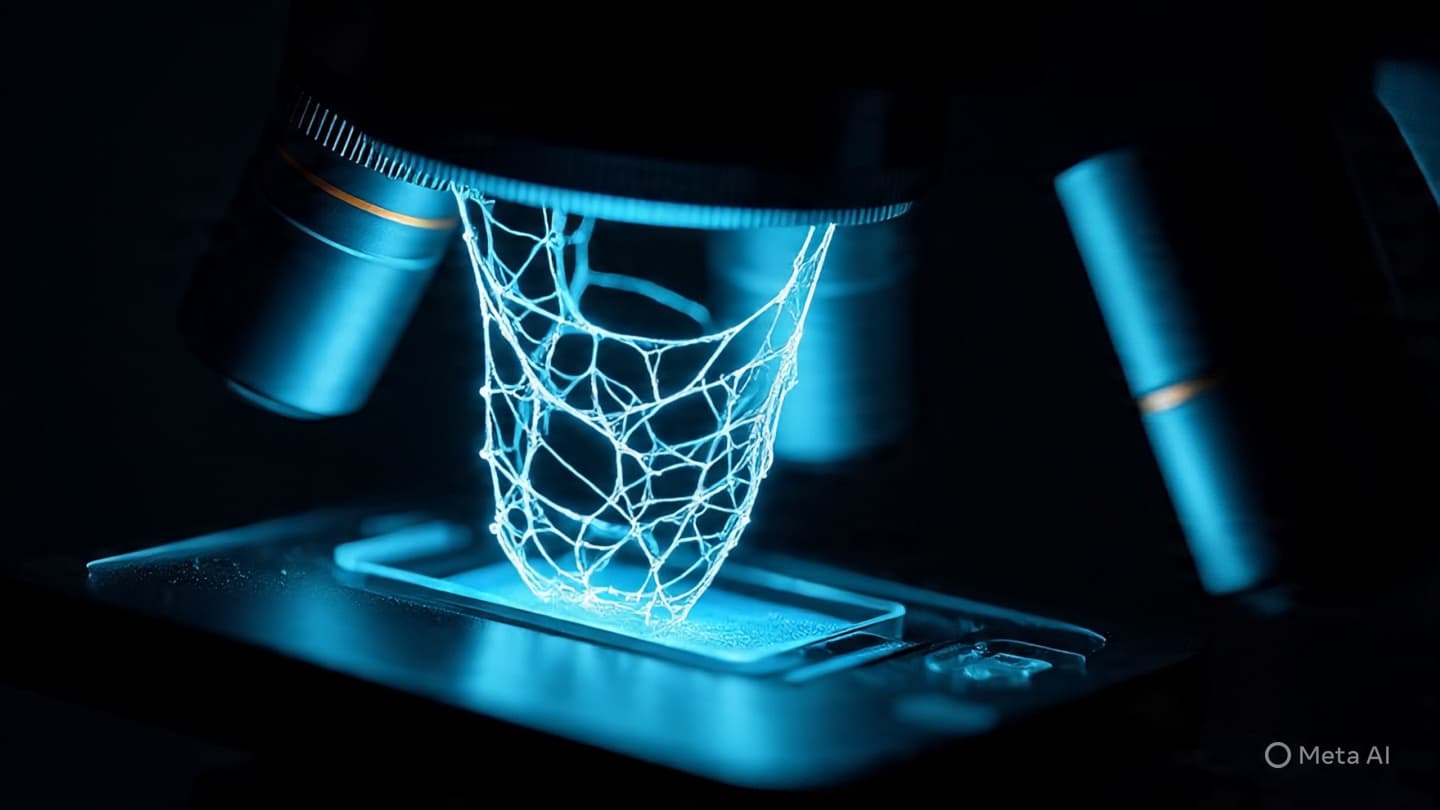
In a groundbreaking development, researchers at the University of Otago in New Zealand have unveiled a new class of 'smart' nanoparticles designed to revolutionize cancer treatment. These innovative particles are engineered to travel through the bloodstream as tiny spheres and then transform into stable nanofiber networks upon reaching tumor sites. This transformative capability allows for targeted drug delivery, enabling clinicians to 'park' therapeutic agents directly within the tumor microenvironment for extended periods, significantly enhancing treatment efficacy while minimizing side effects.
The research represents a significant leap into a more precise era of oncology, where the focus is on delivering treatments with unparalleled accuracy. By creating a stable framework within the tumor microenvironment, these nanoparticles not only deliver drugs but also provide a protective shield around the cancerous cells. This dual functionality is achieved through a sophisticated 'click chemistry' strategy that ensures the medicine is released at the optimal time and location, maximizing its therapeutic impact.
As the world of medicine evolves, the importance of targeted delivery systems becomes increasingly clear. The development of these transformable nanoparticles is not just a technical achievement; it reflects a broader shift towards a more patient-centered approach in oncology. By addressing the limitations of traditional therapies, which often come with significant side effects, this research paves the way for a new standard in cancer treatment that prioritizes patient well-being and treatment effectiveness.
The implications of this research extend beyond the laboratory. As the second half of 2026 progresses, the demand for bioengineering expertise is surging, with precision oncology emerging as a central pillar of New Zealand’s health sector. This innovative approach positions New Zealand as a leader in the global biotechnology landscape, showcasing its commitment to advancing health through cutting-edge research and development.
The journey towards clinical application is underway, with researchers preparing for preclinical trials to further assess the efficacy and safety of these nanoparticles. The atmosphere in the laboratory is charged with optimism, as scientists recognize the potential of their work to transform the treatment landscape for cancer patients. The vision of a future where therapies are tailored to individual needs is becoming increasingly tangible, driven by the ingenuity and dedication of researchers.
Ultimately, the story of these transformable nanoparticles is one of resilience and innovation. It serves as a reminder that the future of medicine lies in our ability to harness the power of technology to protect and enhance human life. As these nanoparticles undergo testing and refinement, they symbolize a new era in cancer treatment—one that is defined by precision, care, and a commitment to improving patient outcomes.
Published by Banx Network. This article is part of the Banx decentralized media programme, powered by the BXE token on the XRP Ledger.



