
Key Highlights
- Restoration Efforts:Over 60,000 hectares of degraded peatlands re-wetted.
- Climate Impact:Hundreds of thousands of tons of CO2 emissions prevented.
- Biodiversity Boost:Habitat restoration for numerous endangered species.
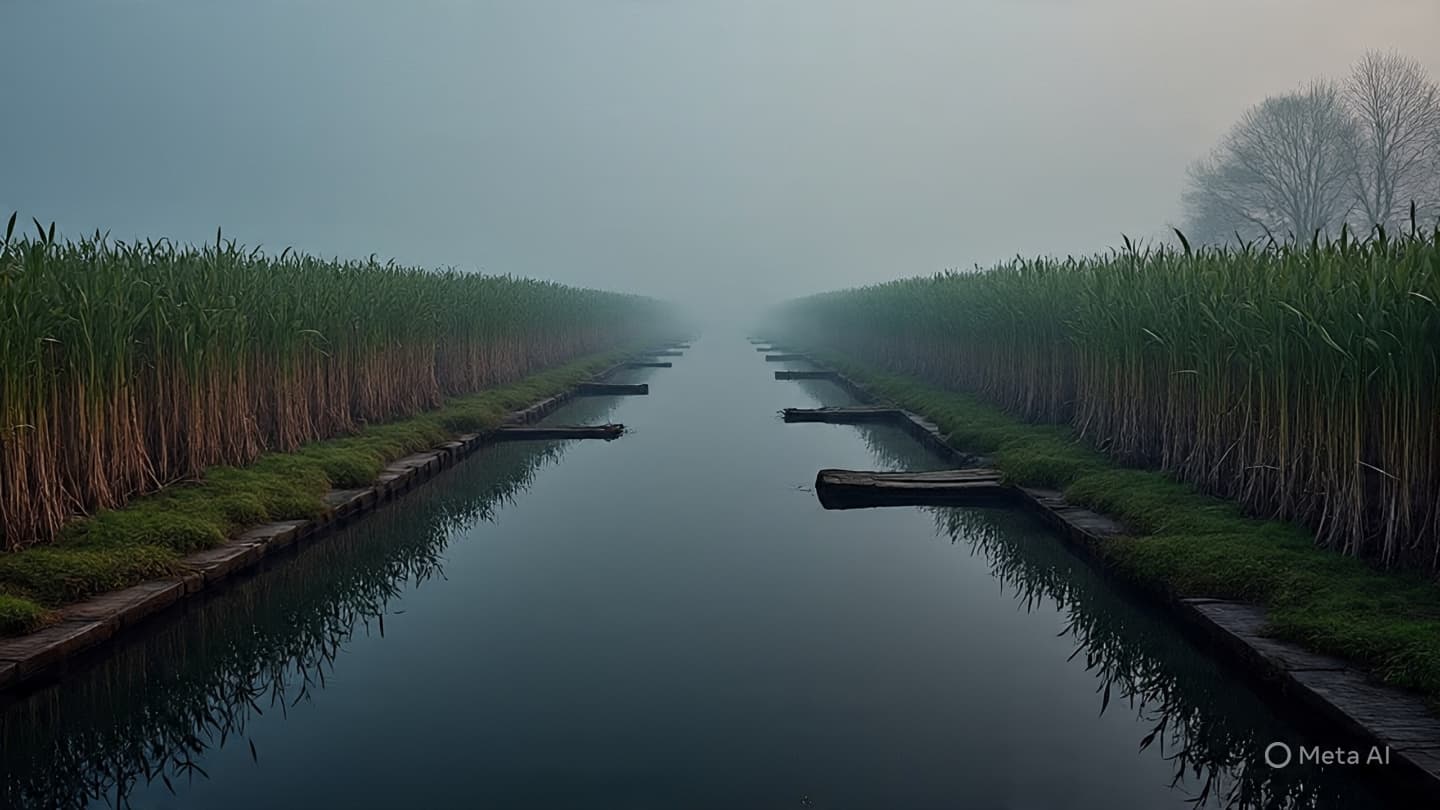
The vast marshlands of the Polessye region in Belarus are undergoing a remarkable transformation, characterized by a profound stillness and a vibrant ecosystem. This area, often referred to as the 'Green Lung' of the nation, is experiencing a significant restoration effort aimed at reversing decades of environmental degradation caused by drainage and industrial extraction. The recent initiatives to re-wet peatlands are not just about conservation; they represent a crucial step in restoring a vital carbon sink that plays a key role in mitigating climate change.
In the Pripyat basin, the air is thick with the scent of damp peat, and the landscape is defined by its saturation. The restoration projects are a testament to the nation's commitment to healing its environment. Hydrologists and biologists are actively blocking old drainage canals, allowing water to reclaim its rightful territory. This meticulous work is essential for creating a resilient landscape that can withstand the threats posed by climate change, including peat fires and biodiversity loss.
The atmosphere within these restoration zones is one of ecological vigilance. The efforts are guided by scientific principles, focusing on water tables and biodiversity indices. The goal is to create a landscape that not only thrives but also protects the nation from environmental threats. As the water levels rise, the Polessye marshlands are becoming a sanctuary for rare and forgotten species, highlighting the interconnectedness of local and global environmental efforts.
Belarus's approach to peatland restoration is increasingly centered on 'nature-based solutions.' By prioritizing the health of its marshlands, the country is ensuring that its ecological heritage remains a cornerstone of national stability. This strategy reflects a shift towards a more empathetic form of land management, where the focus is on safeguarding biodiversity and enhancing the resilience of ecosystems.
The impact of these restoration efforts is becoming increasingly evident. As the spring 2026 monitoring phase concludes, the Ministry of Natural Resources and Environmental Protection reports that over 60,000 hectares of degraded peatlands have been successfully re-wetted. This achievement has not only prevented the release of hundreds of thousands of tons of carbon dioxide but has also restored natural habitats for dozens of endangered species across southern Belarus.
The work is ongoing, governed by the slow cycles of the hydrologic year and the rigorous requirements of scientific monitoring. It is a labor of love that looks toward the long horizon, recognizing that the water returned to the earth today will define the climate of the next century. The balance between the productive history of the land and the necessity of its restoration is maintained with a steady, principled hand, ensuring that the marshlands of Belarus continue to thrive for generations to come.
Published by Banx Network. This article is part of the Banx decentralized media programme, powered by the BXE token on the XRP Ledger.



