
Key Highlights
- Serbia begins testing its first large-scale wind farm, marking a significant shift in energy production.
- The project symbolizes a transition from coal dependency to renewable energy sources.
- Local communities view the wind farm as a sign of progress and modernization.
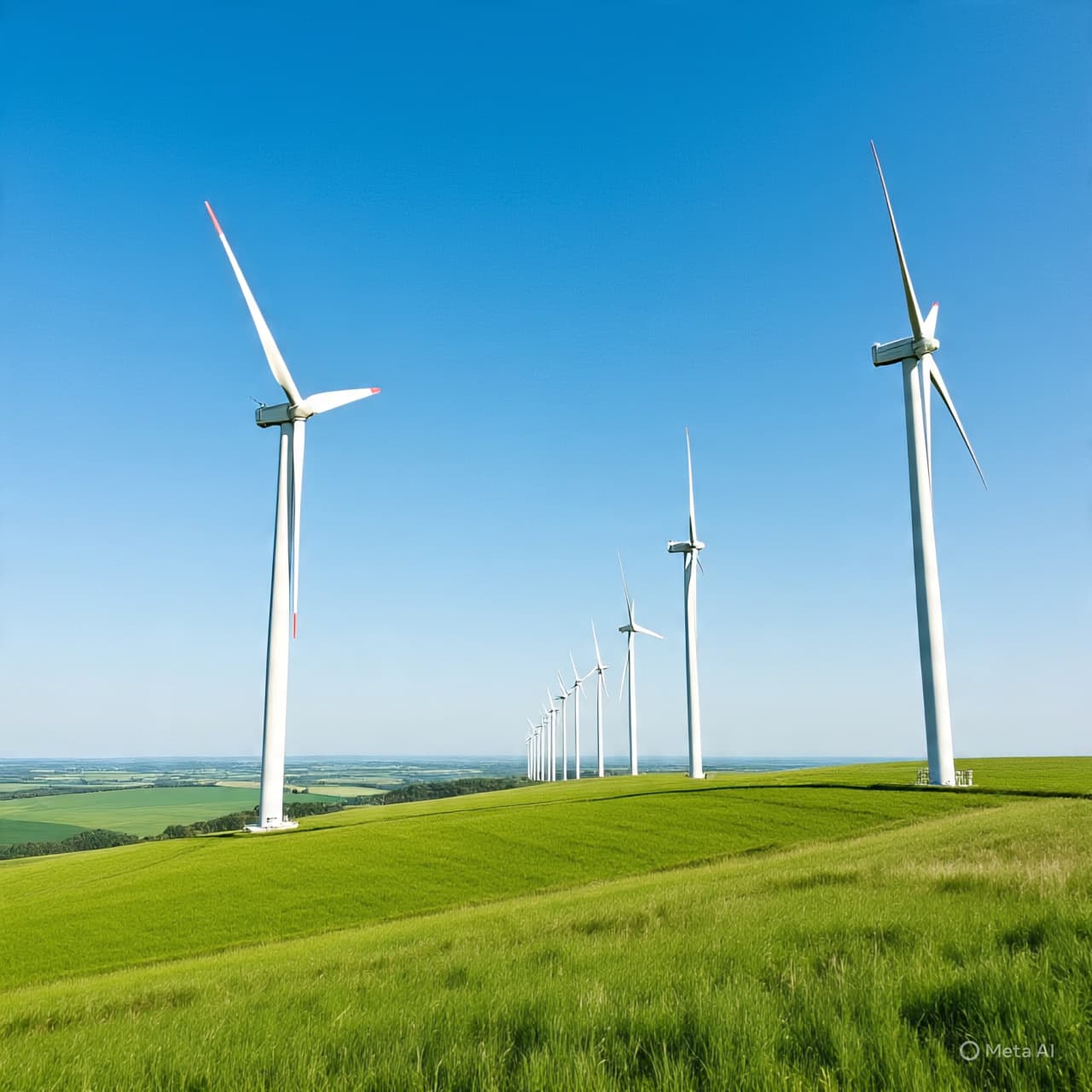
Serbia's picturesque interior is experiencing a transformative moment as the country tests its first large-scale wind farm. This initiative represents not just a technological advancement but a significant cultural shift away from a long-standing reliance on coal. The wind turbines, with their elegant white towers, are now a prominent feature on the horizon, symbolizing a commitment to harnessing natural resources for sustainable energy production.
The introduction of wind power in Serbia is a response to the pressing need for cleaner energy solutions. For decades, the country has depended heavily on lignite coal, which has contributed to environmental degradation and health issues. The new wind farm offers a promising alternative, allowing Serbia to tap into the abundant wind resources that have long been overlooked. As the turbines begin their experimental operations, they signify a collective decision to embrace a cleaner, more sustainable future.
The landscape surrounding the wind farm is characterized by rolling hills and expansive plains, providing an ideal setting for wind energy generation. As the blades of the turbines start to turn, they create a visual spectacle that resonates with the local communities. Residents are beginning to see these structures not merely as industrial installations but as symbols of progress and innovation. The wind, once an unpredictable force, is now being harnessed to power homes and businesses, fostering a sense of partnership between nature and technology.
Engineers are meticulously monitoring the performance of the wind farm during this testing phase. This process involves calibrating the turbines to ensure they operate efficiently while minimizing their impact on the surrounding environment. The careful integration of wind power into Serbia's energy grid is a crucial step towards achieving energy independence and reducing greenhouse gas emissions. The success of this project could pave the way for further developments in renewable energy across the Balkan Peninsula.
As the sun sets behind the turbines, casting long shadows across the landscape, the scene embodies a blend of industrial elegance and natural beauty. The wind farm stands as a testament to human ingenuity and the potential for a cleaner energy future. It challenges the outdated notion that progress must come at the expense of the environment, instead suggesting that sustainable solutions can be both effective and harmonious with nature.
Looking ahead, the implications of this wind farm extend beyond Serbia's borders. It serves as a model for other countries in the region grappling with similar energy challenges. By prioritizing renewable energy sources, Serbia is taking a bold step towards a more sustainable and resilient energy future. The transition from coal to wind power is not just a technical shift; it represents a broader cultural change that embraces innovation and environmental stewardship.
As the testing phase concludes, the integration of wind power into Serbia's national grid marks a historic milestone. This moment signifies not only the arrival of a new energy source but also a departure from the past. The air over Serbia is charged with the promise of a resource that is as boundless as the sky, inviting the nation to look forward with hope and determination.
Published by Banx Network. This article is part of the Banx decentralized media programme, powered by the BXE token on the XRP Ledger.



