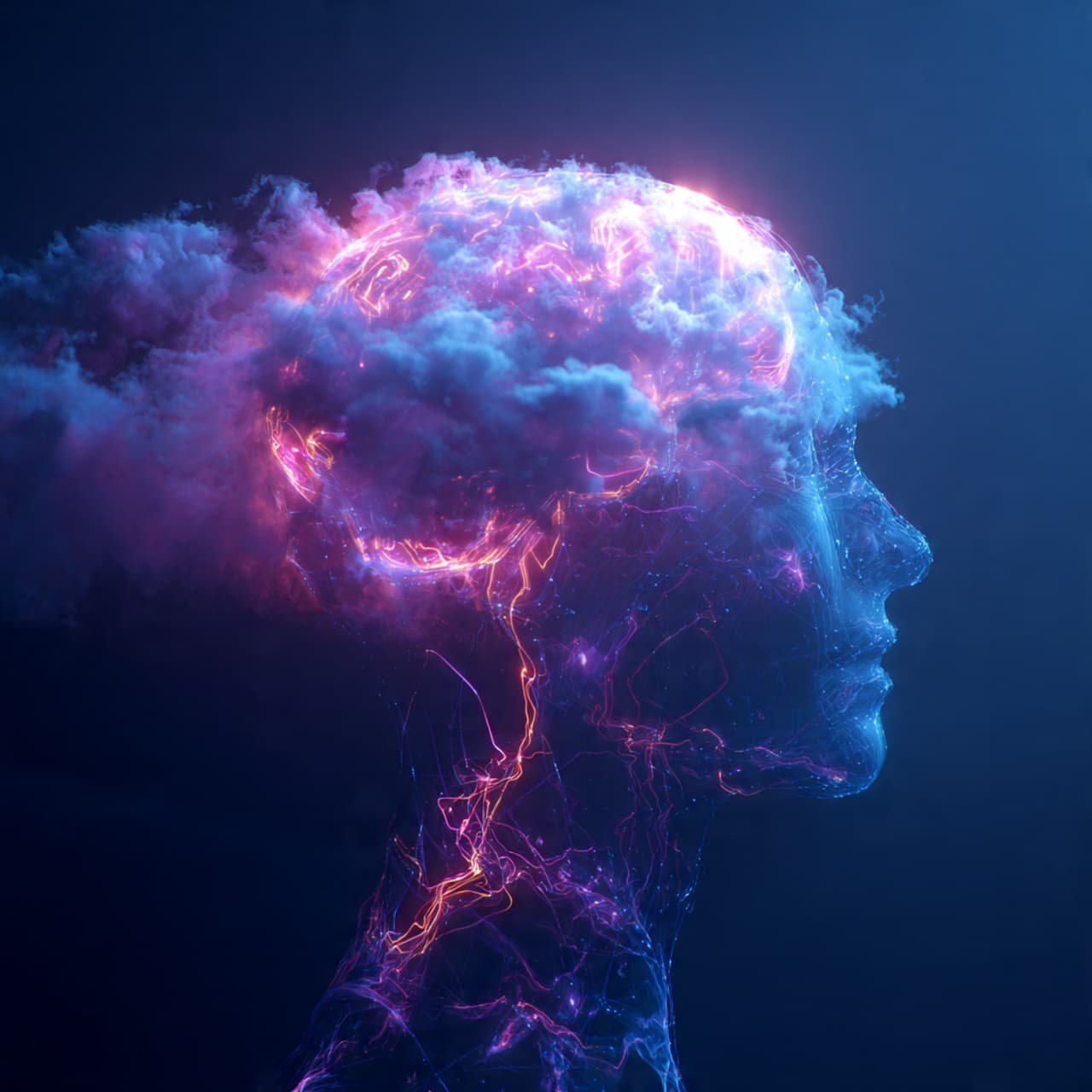
For decades, the idea of connecting the human brain directly to computers was the stuff of science fiction. Today, it is becoming a clinical reality. Neuralink, the neurotechnology company founded by Elon Musk, has received approval to begin human trials of its brain-computer interface (BCI). This milestone marks a significant step toward merging human cognition with digital technology. The potential applications are vast, ranging from restoring movement to paralyzed individuals to enhancing cognitive capabilities. But as we stand on the brink of this neural revolution, ethical and safety questions loom large.
The primary goal of Neuralink’s device, known as the "Telepathy," is to help people with severe motor disabilities control digital devices using their thoughts. By implanting tiny electrodes into the brain, the system reads neural signals and translates them into commands for computers or smartphones. Early animal trials have shown promising results, with monkeys playing video games and typing with their minds. For patients with conditions like ALS or spinal cord injuries, this technology offers hope for renewed independence and communication.
However, the transition to human trials is fraught with challenges. Brain surgery is invasive and carries risks of infection, bleeding, and tissue damage. Ensuring the long-term safety and stability of the implant is critical. The body’s immune response can degrade the device over time, reducing its effectiveness. Researchers must prove that the benefits outweigh these risks, adhering to strict regulatory standards. Transparency in reporting outcomes, including any adverse events, is essential for public trust.
Beyond medical applications, the long-term vision of BCIs includes cognitive enhancement. Imagine downloading knowledge, communicating telepathically, or interacting with AI at the speed of thought. These possibilities raise profound ethical questions. Who has access to this technology? Will it create a new class divide between the "enhanced" and the "natural"? How do we protect mental privacy if our thoughts can be read and recorded?
Data security is a major concern. Neural data is the most personal information possible. Protecting it from hacking, misuse, or commercial exploitation requires robust encryption and legal frameworks. Current laws are ill-equipped to handle the complexities of neural rights. Advocates are calling for new legislation to define ownership of neural data and prevent unauthorized access.
Moreover, the psychological impact of merging with machines is unknown. Changes in identity, agency, and perception could occur. Users may feel dependent on the technology or experience a loss of self. Psychological support and counseling must be part of the implementation process. Understanding the human experience of BCI usage is as important as the technical performance.
As we look to the future, the development of BCIs will accelerate. Other companies and research institutions are pursuing similar technologies, creating a competitive landscape. Collaboration and standardization are needed to ensure safety and interoperability. The goal should be to serve humanity, not just to push technological boundaries.
In the end, the brain-computer interface represents a fundamental shift in human evolution. It blurs the line between biology and technology. By approaching this frontier with caution, ethics, and empathy, we can harness its potential to heal and empower. The mind is the final frontier, and we are just beginning to explore it.
Published by Banx Network. This article is part of the Banx decentralized media programme, powered by the BXE token on the XRP Ledger.