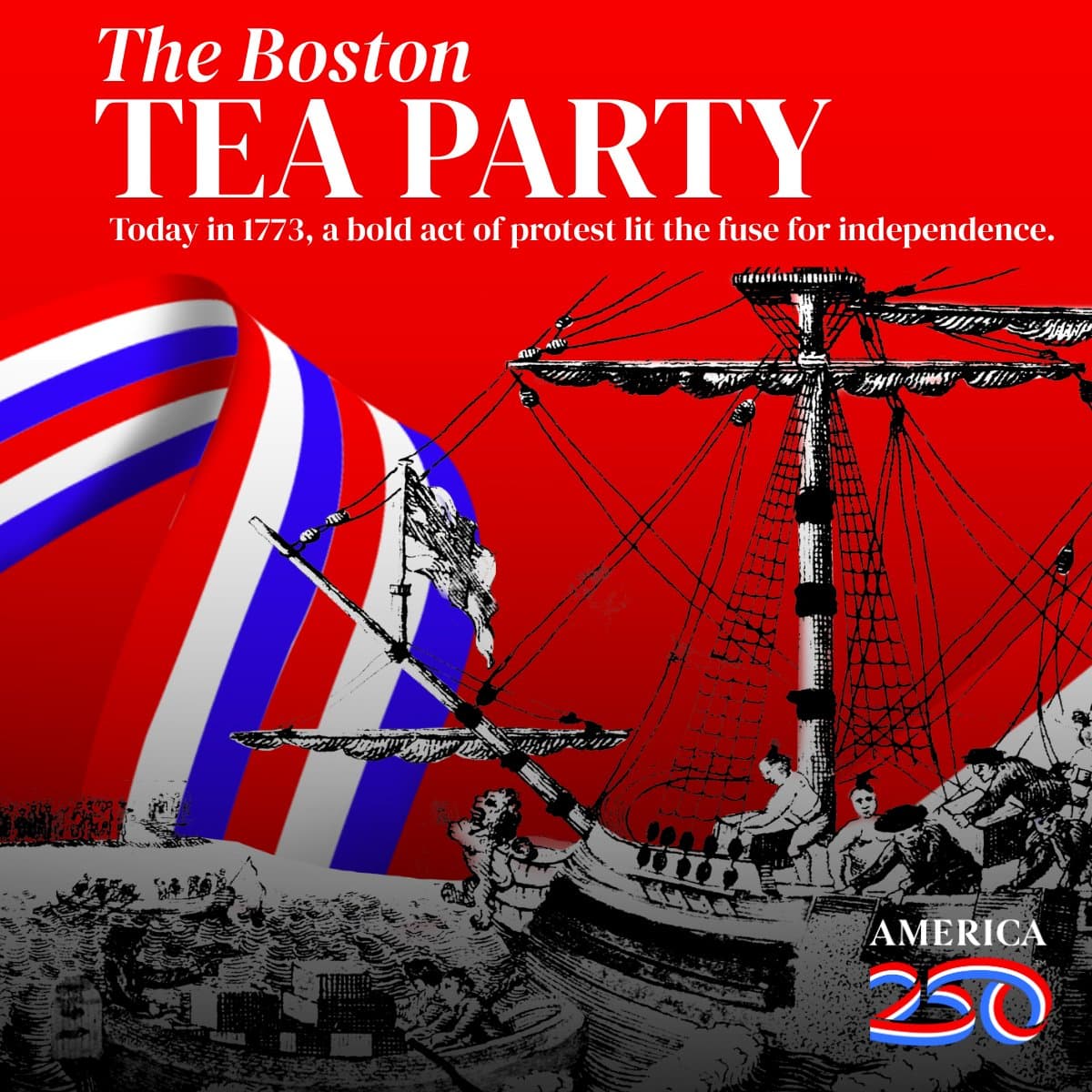
On a cold December night in 1773, a bold act of resistance unfolded in Boston Harbor, setting in motion events that would eventually give birth to a new nation. What became known as the Boston Tea Party was not just a protest over tea — it was a powerful declaration that ordinary people would no longer accept unjust rule without representation.
At the heart of the conflict was taxation. The British Crown imposed the Tea Act, allowing the British East India Company to sell tea directly to the American colonies while still enforcing taxes. Colonists saw this as a dangerous precedent: taxation without representation in Parliament. To them, accepting the tea meant accepting permanent political submission.
Disguised as Mohawk Native Americans, a group of colonists boarded British ships docked in Boston Harbor and dumped 342 chests of tea into the icy water. The act was deliberate, symbolic, and non-violent toward people but devastating to British authority. The message was unmistakable: economic control would no longer be tolerated.
Britain’s response was swift and severe. The Crown imposed the Coercive Acts (later called the Intolerable Acts), closing Boston’s port and tightening control over Massachusetts. Instead of crushing resistance, these measures united the colonies, strengthening calls for cooperation and self-governance.
The Boston Tea Party became a rallying cry. It inspired revolutionary leaders, fueled public debate, and pushed the colonies closer to open rebellion. Just two years later, the first shots of the American Revolutionary War were fired at Lexington and Concord.
Today, the Boston Tea Party stands as a timeless symbol of civic courage. It reminds the world that meaningful change often begins with people willing to take a stand against injustice, even when the odds are overwhelming. Its spirit still echoes through democratic movements everywhere proof that bold action, rooted in principle, can reshape history.
Published by Banx Network. This article is part of the Banx decentralized media programme, powered by the BXE token on the XRP Ledger.