
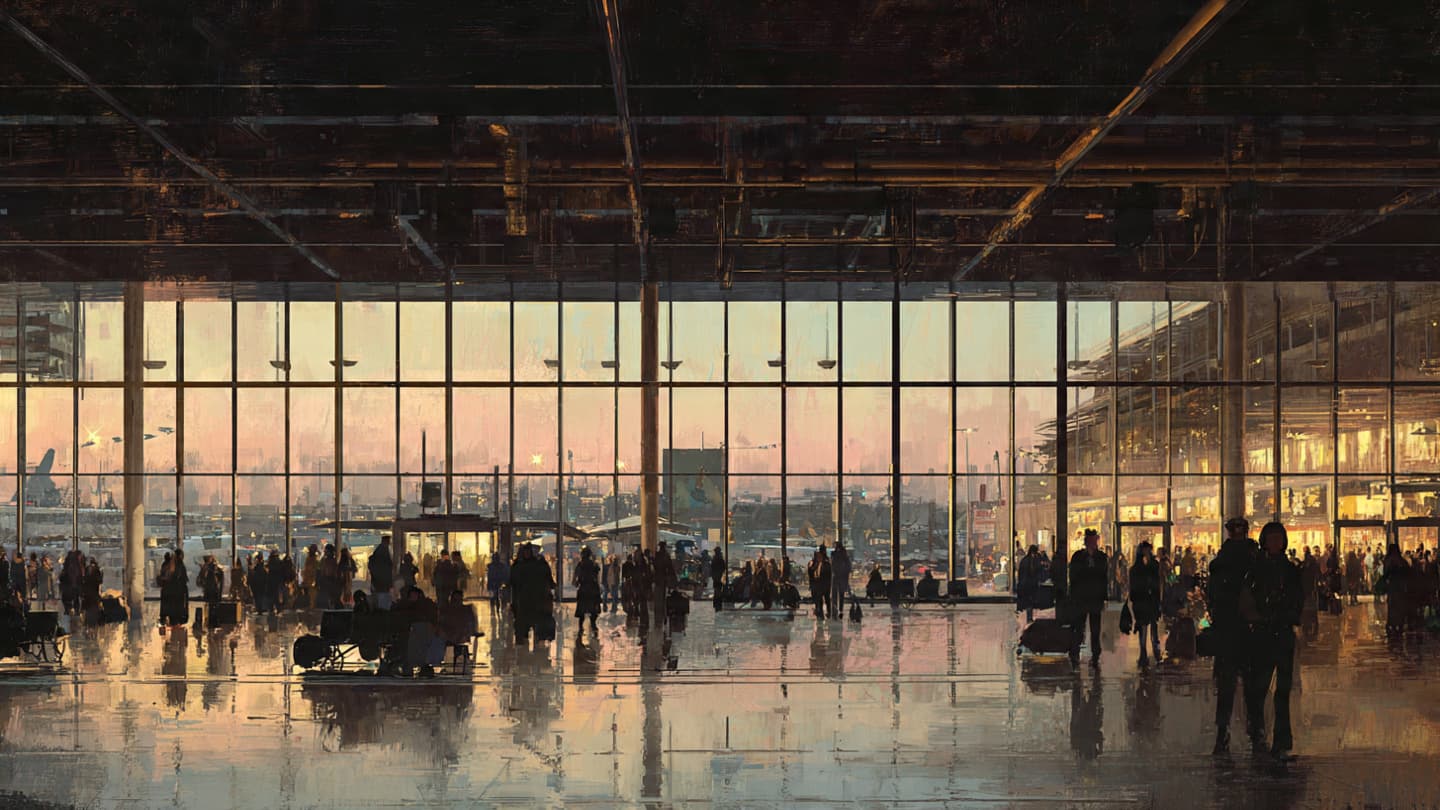
The grand transit terminals of the high Andes are places of constant, dizzying motion, where the thin mountain air is thick with the scent of diesel exhaust, roasted corn, and the heavy dust of a hundred distant highways. In these caverns of migration, travelers carry their lives in weathered suitcases, their eyes fixed on departures and arrivals boards that flicker in the dim light. It is an environment built on a rapid, fragile trust, where the sight of an official uniform normally offers a welcome anchor of safety amidst the chaos.
Yet, a subtle shadow has lengthened across these concrete concourses, born from an ancient and persistent form of deception that turns the symbols of the state against the unsuspecting. Individuals wrapped in the convincing garments of authority have been stepping from the terminal crowds, their voices quiet, firm, and practiced in the language of bureaucratic regulation. They present badges that gleam with a counterfeit authenticity, commanding a compliance that is deeply ingrained in the human civic conditioning.
The deception relies entirely on the vulnerability of the traveler in transition, a person caught between destinations and eager to avoid complications with local laws. Under the pretense of routine security checks or currency verifications, these actors guide their targets away from the crowded main thoroughfares into the quiet, unmonitored fringes of the station. It is in these liminal spaces, far from the public gaze, that the illusion dissolves into a quiet, efficient dispossession.
The local authorities have watched this erosion of public trust with a growing, somber concern, recognizing that a city’s gateways define its character to the outside world. The difficulty lies in the fluid, mundane nature of the crime; the impersonators look exactly like the protectors, using the very aesthetic of safety to perpetrate an injustice. It forces the traveler to adopt an unnatural skepticism, evaluating every badge and official posture through a lens of profound doubt.
To counter this persistent vanguard of fraud, security teams have begun to alter their own visibility within the major terminals, establishing fixed assistance points that cannot be easily replicated by nomadic actors. Informational leaflets are distributed into the hands of arriving passengers, warning them that true law enforcement rarely conducts spontaneous searches of personal property in the public thoroughfare. It is a slow, methodical re-education of the public space.
There is a distinct bitterness to a crime that weaponizes the very concept of security, leaving its victims not only financially diminished but profoundly disoriented by the betrayal of a systemic symbol. The architecture of the terminal, once a symbol of adventure and connection, becomes a gauntlet of potential traps where every approach must be warily measured. The quiet work of restoring clarity to these hubs remains a primary, unglamorous necessity.
As the evening buses pull out into the cold Altiplano night, their windows fogging from the breath of passengers, the terminal floors are swept clean under the watchful eyes of newly deployed, verified patrols. The lesson remains etched into the stones of the station: in the modern landscape of transit, authority must be verified with the same care as a ticket to a distant province.
Law enforcement agencies in La Paz have initiated targeted operations inside major transit terminals following a sharp increase in sophisticated robberies executed by criminal networks posing as police officers.
Note: This article was published on BanxChange.com and is powered by the BXE Token on the XRP Ledger. For the latest articles and news, please visit BanxChange.com