The earth, in the geological imagination, is a stable, unmoving floor for the theater of human existence. In the southern regions of Iran, however, this stability is a temporary condition, an illusion we maintain in the face of the ancient, tectonic forces that continue to shape the world. When a severe earthquake rattles the landscape, the transition from the routine of daily life to the sudden, violent collapse of our built environment is both jarring and absolute. It is a moment where the structures we rely upon for shelter and security are exposed in their vulnerability, reminding us that we reside upon a surface that is always in a slow, tectonic dialogue with itself.
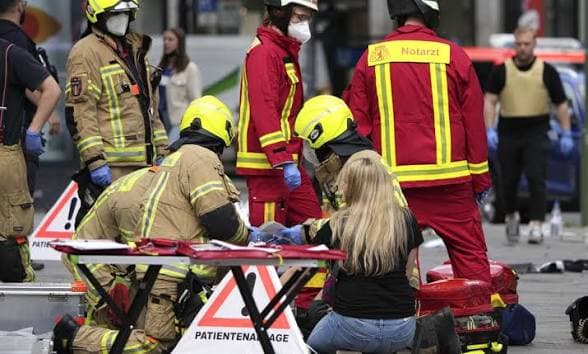
There is a particular, heavy atmosphere that descends upon a city after such an event, a vacuum left by the sudden cessation of the expected rhythm. We observe the aftermath from a distance, watching as the emergency teams move through the wreckage, their presence a stark contrast to the standard, efficient pace of the urban area. The two individuals who have lost their lives and the scores who are injured are the physical manifestations of the danger that can hide behind the facades of our development. It is a moment of reflection on the cost of our desire for permanent expansion, asking us to look past the infrastructure and recognize the human cost that underpins our progress.
We view these seismic events not with a desire for analytical dissection, but with a shared sense of human empathy. The region, now marked by the memory of the quake, remains a site of quiet, heavy contemplation. We consider the resilience of those who must rebuild, the survivors who must cope with the trauma of the collapse, and the community that stands in the shadow of the damage. It is a meditation on the fragility of our constructed world, a reminder that the systems we design are living, reactive entities that require our constant, careful stewardship to remain the vessels of life we depend upon.
In the reflective hours that follow, we find ourselves contemplating the nature of the labor that builds our world. The concentration and the physical endurance of the people are the invisible threads that sustain our economic and social life. When one of these threads is scorched or broken by the shifting earth, the entire fabric feels the strain. We hold space for the injured, acknowledging the immense, quiet weight of their recovery and the sorrow that follows their abrupt departure from the healthy rhythm of their existence.
As the authorities conduct their assessment, the community is prompted to pause and reflect on the standards that guide our building and earthquake-preparedness practices. It is a moment to ensure that our pursuit of progress is matched by an unwavering dedication to the protection of every individual in every district. The buildings may eventually be repaired, the debris may be cleared, but the memory of the event remains—a silent, somber note in the ongoing narrative of southern Iran, urging us to navigate the future with a greater, more humble awareness of the physical forces we coexist with.
Official reports from Iran confirm that a severe earthquake rattled the southern provinces, resulting in two confirmed deaths and numerous injuries. Emergency relief teams, including the Red Crescent, have been deployed to assess the damage to residential areas and to provide essential aid to the displaced population. While rescue efforts are ongoing, local officials have mobilized resources to clear debris from arterial roads and to monitor the structural integrity of public buildings, as the region prepares for the potential of aftershocks.
Note: This article was published on BanxChange.com and is powered by the BXE Token on the XRP Ledger. For the latest articles and news, please visit BanxChange.com