The earth possesses a profound, ancient weight, a silent pressure that exists in the stillness beneath our feet. For those who descend into the dark, the rhythm of the day is dictated not by the sun, but by the slow, rhythmic strike of pick and drill against the stubborn strata of the mountain. It is a world of shadows and echoes, where the air is thick with the dust of ages and the singular focus of the miner becomes the only reality. Here, in the quietude of the deep, the boundary between the strength of the mountain and the fragility of the human form becomes painfully thin.
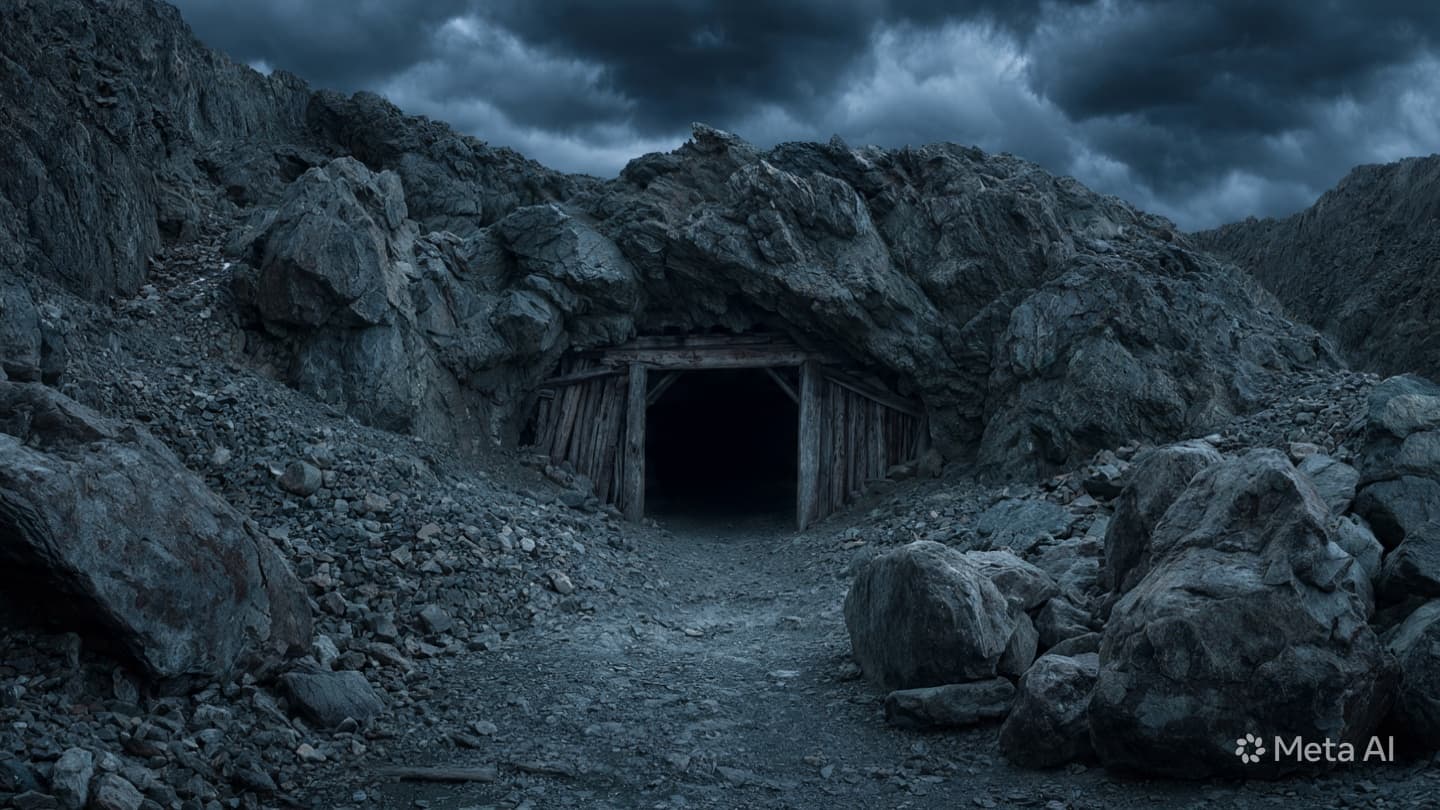
A tragedy recently unfolded in the depths of a coal mine within Semnan Province, where the earth’s heavy ceiling could no longer hold its own weight. The collapse, a sudden and violent reordering of the subterranean architecture, brought a swift end to the labor of three miners. In the silence of the tunnels, what was once a site of industry and extraction became a place of sudden finality, trapping the rhythm of work in a moment of geologic indifference. The descent, usually marked by the expectation of return, was interrupted by the shifting tectonic realities of the mountain’s interior.
The environment of a coal mine is one of controlled intensity, where every structural beam and reinforced wall is a testament to the ongoing negotiation between man and the subterranean landscape. Yet, nature’s architecture is vast and often unpredictable, prone to the stresses of depth and the slow, inevitable shifting of the rock. When a collapse occurs, it is the culmination of forces that operate far beyond the surface—a dark, pressurized tension that occasionally breaks through into the human world. For the families waiting at the mouth of the shaft, the news of such a shift is a devastating blow.
This incident in Semnan is a reflection of the perilous nature of deep-earth labor, a profession that demands an extraordinary toll in the name of the resources we harvest. The miners who venture into the dark do so with a resilience that is rarely acknowledged in the light of day. Their work is a quiet, rhythmic act of endurance, often hidden from the public gaze until an incident like this pulls the curtain back, revealing the inherent volatility of their workplace. The loss of three lives is not merely a statistical event; it is the silencing of three distinct, hardworking lives.
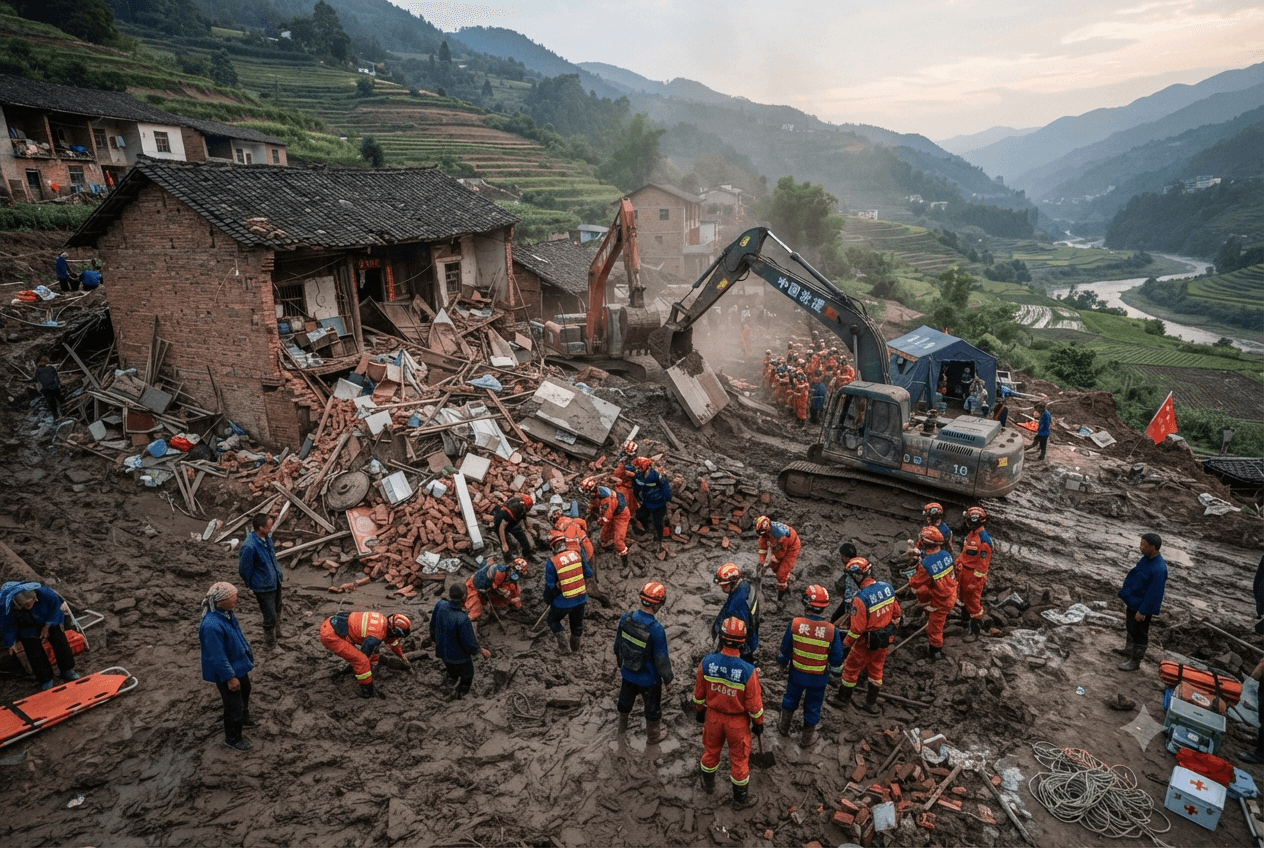
Rescue operations, a delicate and dangerous ballet of precision and courage, were launched in the immediate aftermath of the collapse. To move through the debris of such an event is to challenge the mountain on its own terms, navigating the shifting ground in a race against the very weight that caused the initial tragedy. Those who perform these rescues carry the burden of hope, balancing the urgency of the moment with the extreme hazards that the collapsed tunnel presents. The effort to retrieve those lost is a somber act of respect, a final service provided to those who gave everything to the darkness.
The history of mining is paved with such moments of profound sorrow, a recurring cycle of loss that reminds us of the high cost of our energy and materials. Each collapse adds a new layer to the narrative of the region, a dark footnote to the industry that sustains the economy but at a cost that is often measured in human terms. The geological reality of the mountain does not pause for the grief of the living; it remains an indifferent, hulking presence that requires constant, vigilant management. The incident serves as a stark reminder of the dangers that remain embedded in the earth.
As investigators look toward the causes—whether structural, environmental, or mechanical—the broader narrative of labor safety remains the central, unspoken question. The balance between efficiency and the preservation of human life is a delicate one, often shifting under the pressure of production demands. Reflecting on the loss in Semnan requires an acknowledgement of the conditions under which these men labored, a recognition of the grit and sacrifice that defines the mining life. The mountain, in its silent, looming way, has claimed another portion of that dedication.
The authorities have initiated an inquiry to determine the specific failures that led to the collapse, a necessary step toward understanding the events that transpired deep beneath the surface. In the wake of this sorrow, the community in Semnan turns its attention to the mourning of the three miners whose lives were abruptly ended. The investigation will seek to provide answers, yet for those who have lost their loved ones, the primary reality remains the absence that now occupies their homes. The earth, meanwhile, remains unchanged, a silent guardian of its own dark and heavy secrets.
Note: This article was published on BanxChange.com and is powered by the BXE Token on the XRP Ledger. For the latest articles and news, please visit BanxChange.com