
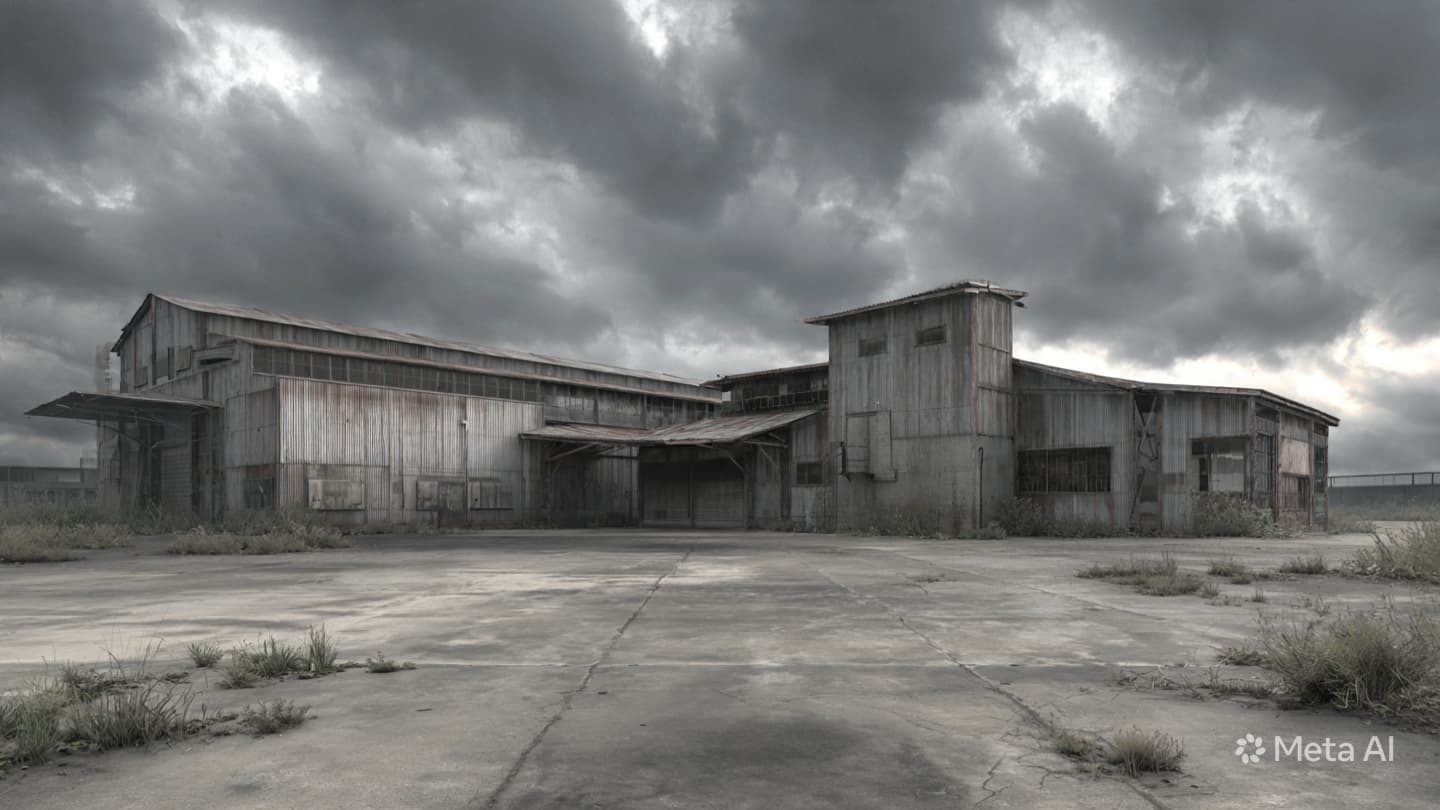
The air in an industrial center often holds the smell of potential—a mix of metallic tang, chemical residue, and the steady, hummed energy of production. In a place like Tabriz, where the intersection of trade and industry defines the very geography of the city, there is an expectation of order, a reliance on the stability of the warehouses and refineries that power the regional heart. But fire has a way of undoing the logic of steel and concrete, turning a controlled environment into an unpredictable, chaotic canvas of orange light and rising plumes of dark, acrid smoke.
A massive chemical warehouse in Tabriz recently succumbed to such an eruption, a sudden release of energy that shattered the quiet of the industrial sector. The explosion, which rippled through the facility with a force that felt like a localized tremor, left in its wake a scene of ruin that starkly contrasted with the routine of the working day. Two workers were caught in the immediate path of the blast and lost their lives, while eight others suffered injuries, their experiences now marked by the searing memory of the event. The chemical nature of the site meant that the fire was not merely a blaze, but a complex, volatile chemistry of hazard.
To stand at a distance from such an inferno is to witness the sheer, unbridled power of elements when they are suddenly liberated from their containment. The sky, usually a backdrop for the daily movement of the city, was momentarily reclaimed by the fire, a dark, heavy pillar of smoke marking the site of the tragedy. For those in the vicinity, the sound of the explosion was a sudden, violent intrusion, a reminder of the fragility of the industrial structures that surround us. The chaos that followed, defined by the wail of sirens and the frantic pace of emergency crews, is a familiar, if devastating, rhythm of urban catastrophe.
The warehouse itself, a repository of the chemicals that underpin the regional industry, became a point of central vulnerability. The investigation into the cause—whether a chemical reaction gone wrong or a failure in storage protocols—is a technical necessity, but the emotional weight rests entirely on the individuals who were simply performing their duties. The loss of two colleagues creates a void that reverberates through the workforce, a sobering reflection on how quickly the atmosphere of productivity can be transformed into a theatre of survival.
Emergency responders moved with caution, navigating the toxic haze and the structural instability of the site to manage the threat. Their work is a quiet heroism, performed amidst the wreckage and the continued risk of secondary reactions. Each step toward the heart of the blaze is a movement into the unknown, a testament to the resilience of those who are tasked with restoring order to the chaos of fire. As the flames were brought under control, the scale of the destruction became clear, a landscape of charred remains and twisted steel that once housed the essential components of local commerce.
Tabriz, a city with a long history of resilience and adaptation, will inevitably look toward the future, yet the scar left by this explosion will remain for some time. The event highlights the inherent risks that accompany the concentration of industrial materials, a modern reality that demands constant vigilance. Beyond the numbers—the two deceased, the eight wounded—lies the broader question of how we safeguard the lives of those who work in the proximity of such volatile environments. It is a question that requires both engineering precision and a deeply human acknowledgement of the cost.
As the authorities continue to sift through the debris, seeking the precise sequence of events that led to the catastrophe, the community grapples with the suddenness of the loss. The warehouse, once a mundane structure, has been transformed into a site of remembrance and inquiry. The investigation will eventually yield its findings, determining the chain of responsibility and the technical failings, but the immediate concern remains the support of the families and the recovery of the injured. The sky above Tabriz has cleared, yet the impact of the fire continues to hang in the consciousness of the city.
In the end, the incident stands as a powerful reminder of the intersection between our industrial ambitions and the unpredictable forces of the chemical world. The balance we maintain is precarious, a constant negotiation between the utility of our materials and the safety of our shared spaces. For the people of Tabriz, the fire is a moment of profound pause, a reflection on the value of life and the sobering reality of the hazards we often overlook. The official report will be filed, and the reconstruction will begin, but the memory of the explosion remains as a testament to the vulnerability of all industrial endeavor.
Note: This article was published on BanxChange.com and is powered by the BXE Token on the XRP Ledger. For the latest articles and news, please visit BanxChange.com