In the quiet corridors of science, there are discoveries that arrive not with a roar, but with a long-delayed whisper. Some truths, it seems, take longer to be heard—not because they are hidden, but because they were never fully listened to. The human body, mapped in exquisite detail for centuries, still holds corners that have remained curiously dim. And now, one of those corners begins to glow with new clarity.
For the first time, scientists have mapped the full network of nerves within the clitoris—an organ long recognized for its role in human sensation, yet historically underexplored in medical research. According to recent reporting by The Guardian, this breakthrough reveals a far more intricate structure than previously understood, offering a detailed look at how nerve pathways branch and connect across the organ.
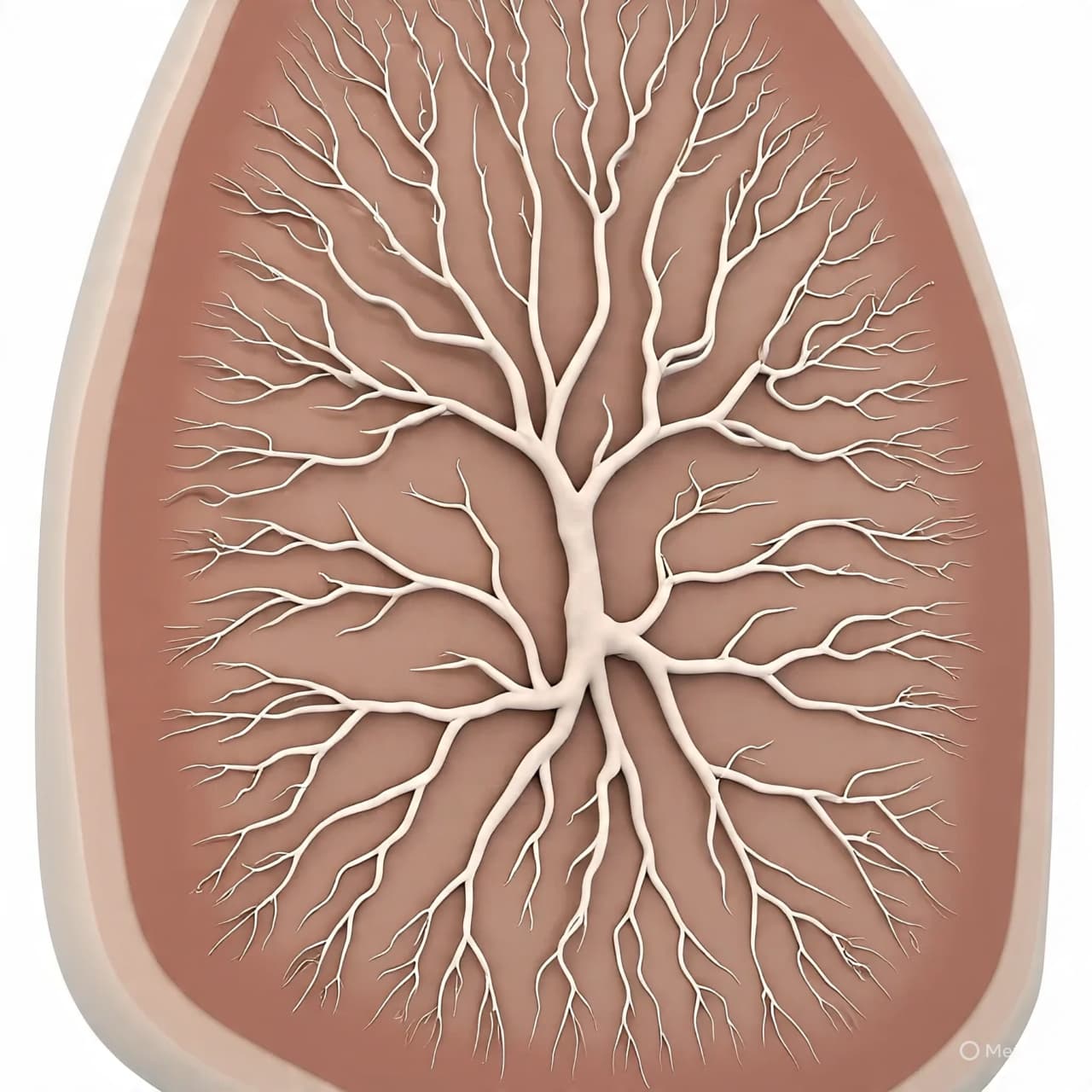
The findings suggest that the clitoral nerve system is not only complex but also essential in ways that extend beyond sensation alone. Researchers describe a tree-like network of nerves, spreading into multiple branches that reach surrounding tissues. This expanded understanding challenges older anatomical assumptions, some of which had persisted for decades despite limited empirical evidence.
For years, a commonly cited figure suggested that the clitoris contained around 8,000 nerve endings. Yet more recent scientific work indicates that this number may exceed 10,000 nerve fibers, based on direct measurement of the dorsal nerves. This discrepancy reflects a broader issue in medical history: foundational numbers and models sometimes originate from incomplete or indirect studies, only to be revisited much later with improved methods.
The implications of this mapping extend into clinical practice. Surgeons performing pelvic procedures may benefit from a clearer understanding of nerve locations, potentially reducing the risk of unintended damage and preserving sensory function. In this sense, the research is not merely descriptive—it carries the promise of more informed care and better patient outcomes.
At the same time, the discovery highlights a deeper narrative about scientific attention itself. Despite its physiological importance, the clitoris has often been underrepresented in anatomical literature. It was not fully and accurately depicted in widely used medical references until relatively recently, reflecting cultural and academic blind spots that shaped the direction of research.
Now, with advanced imaging technologies and renewed scientific focus, that imbalance is beginning to shift. The act of mapping—of tracing what was once overlooked—becomes more than a technical achievement. It becomes a quiet correction, a recalibration of what is considered worthy of study.
And so, this development does not close a chapter, but opens one. The human body, even now, reminds us that knowledge is not only about discovery—it is also about attention, timing, and the willingness to revisit what was once left in shadow.
AI Image Disclaimer Visuals are created with AI tools and are not real photographs.
Sources : The Guardian Technology Networks Live Science The Journal of Sexual Medicine McGill Office for Science and Society
Published by Banx Network. This article is part of the Banx decentralized media programme, powered by the BXE token on the XRP Ledger.