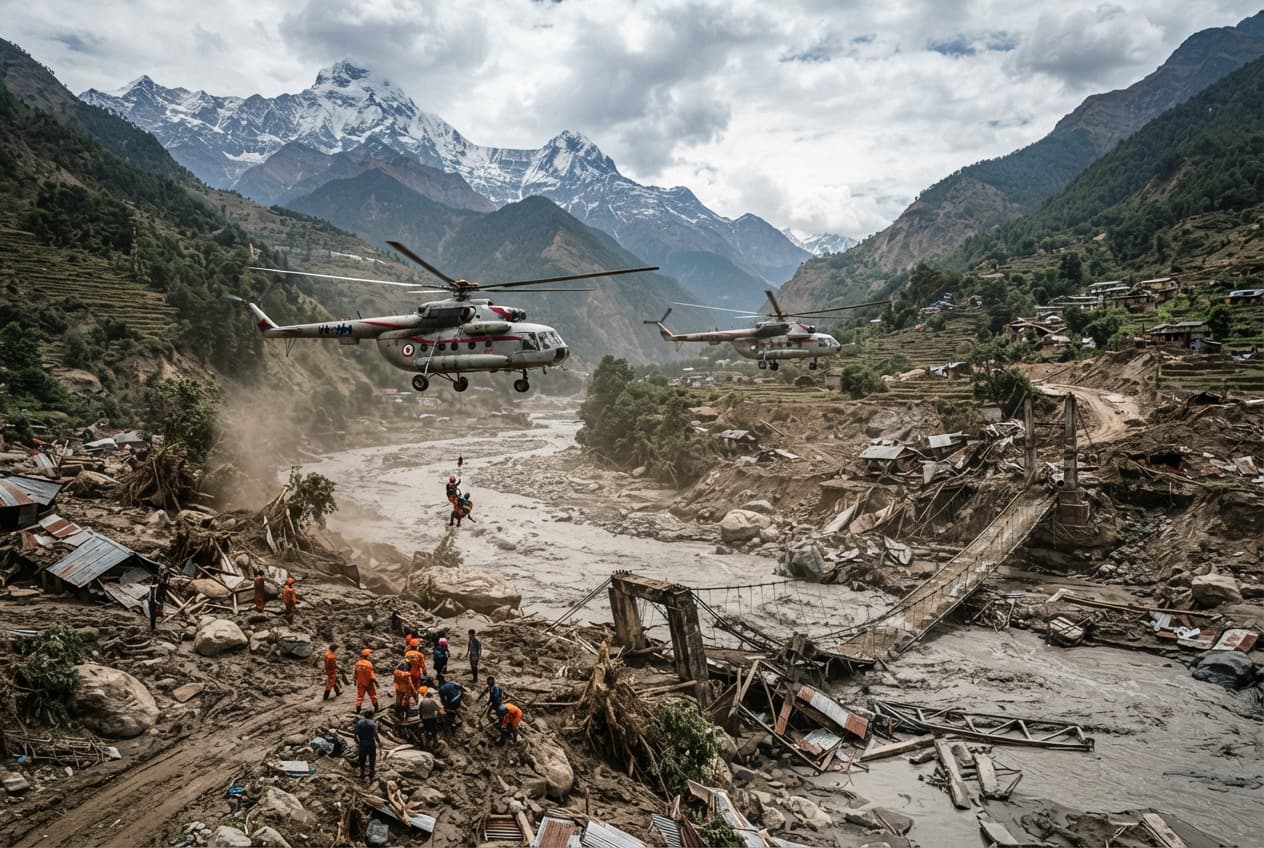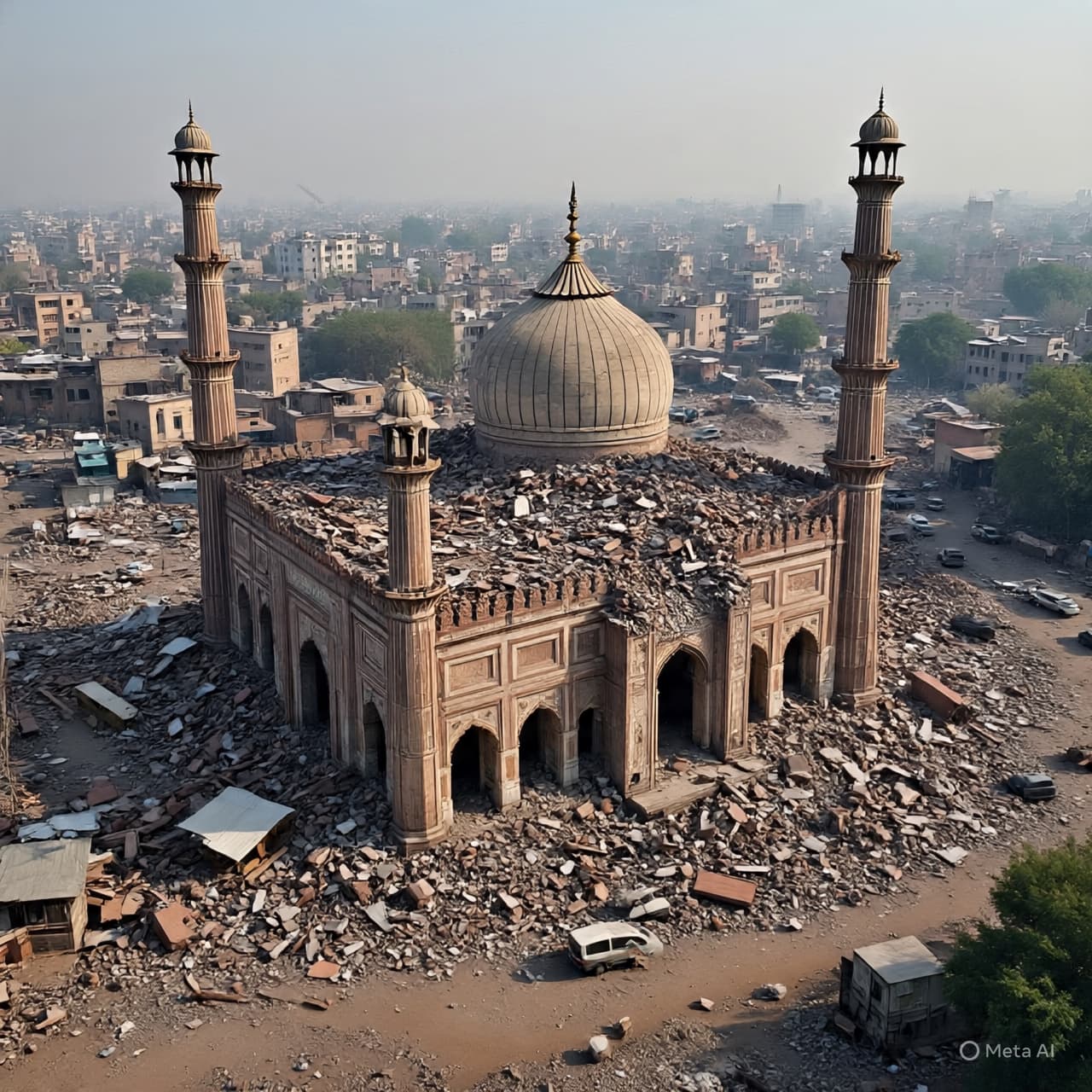
Earthquakes rarely strike in metaphors, and yet this one did. The Blue Mosque in Afghanistan — a symbol, a landmark, a visual shorthand for continuity — now sits ringed by rubble after a deadly quake. A place that once held prayers now holds the weight of absence.
For years, Afghans have lived in the delicate negotiation between uncertainty and endurance. Natural disaster only amplifies that. The early casualty numbers are still being reconciled, but the immediate visual message is unmistakable: fragments of homes, collapsed roofs, dust that looks like smoke, grief that cannot be neatly quantified. Families wander through streets that no longer align with the maps they memorized. The earth did not just shake — it rearranged lives.
Aid agencies are attempting to coordinate response. But infrastructure is thin, access is uneven, and the country’s humanitarian pipeline has long been strained. In this kind of moment, the symbolism of the Blue Mosque matters. It is not that architecture is more important than people. It is that architecture is the anchor people reach for when the ground beneath them feels unfamiliar.
AI Image Disclaimer
Images in this article are AI-generated illustrations, meant for concept only.
Sources
BBC Associated Press Al Jazeera Reuters
Published by Banx Network. This article is part of the Banx decentralized media programme, powered by the BXE token on the XRP Ledger.