

Key Highlights
- Discovery:Portuguese customs officials seized a massive cocaine shipment hidden in a food cargo container.
- Concealment Method:Smugglers used advanced techniques to mask the drugs within frozen food products.
- Market Value:The estimated value of the seized cocaine is in the tens of millions of euros.
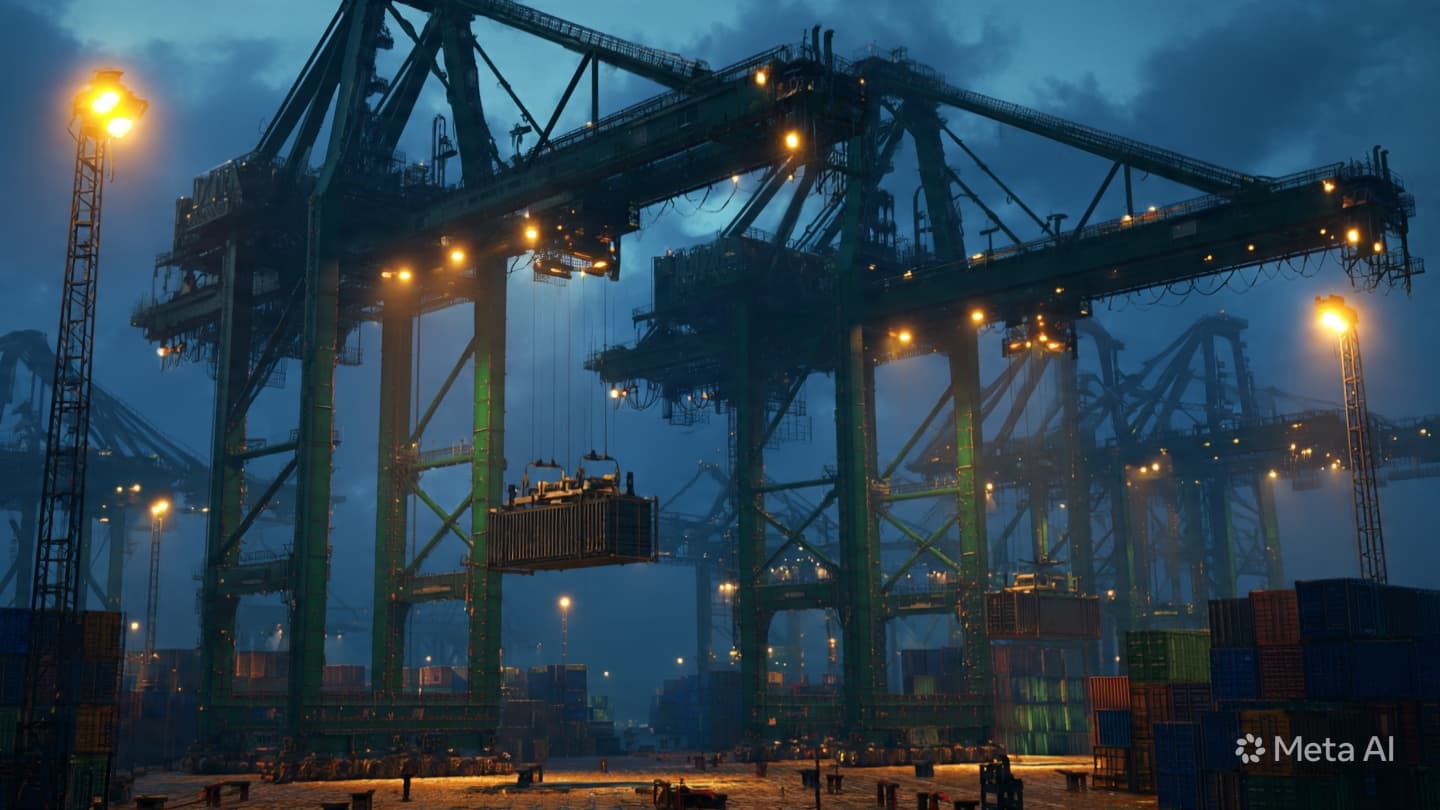
The maritime cargo terminals of Portugal's deep-water ports serve as critical nodes in European food logistics, processing vast quantities of produce, seafood, and processed goods daily. These ports are integral to the supply chain, ensuring that perishable items reach supermarket shelves swiftly and efficiently. However, this vital system has also become a target for transnational narcotics syndicates seeking to exploit the rapid movement of legitimate goods.
Recently, during a routine inspection at a major maritime distribution hub, Portuguese customs officials made a significant discovery. Acting on automated risk-profiling data, they uncovered a substantial cache of illicit drugs concealed within a commercial food cargo container. This shipment, which appeared to be a legitimate agricultural import, was cleverly disguised using advanced methods that included organic masking agents and vacuum-sealed layers designed to evade detection by both canine units and standard density scanners.
Upon opening the refrigerated container, customs officials found rows of uniform boxes filled with frozen fruit pulp and processed vegetables. These items were documented under a verified commercial manifest from a reputable South American export firm. However, specialized inspectors noticed discrepancies in the weight and thermal profiles of certain pallets, prompting further investigation. The container was diverted to a high-capacity x-ray imaging bay for a thorough diagnostic examination.
The scans revealed a sophisticated concealment strategy: within the frozen food blocks, smugglers had embedded thick, lead-lined metallic cylinders containing hundreds of kilograms of high-purity cocaine. The smugglers had meticulously calibrated the chemical density of the surrounding frozen pulp to match the narcotics layer, creating a uniform image that would not raise suspicion during routine border checks. This incident highlights the alarming trend of drug traffickers exploiting the international food supply chain to transport illegal substances.
As forensic chemists in protective gear extracted the waterproof cylinders from the frozen cargo, they meticulously logged the weight and composition of the contraband. The estimated market value of the seized drugs is significant, representing a substantial financial blow to the cartel behind the operation. Experts in logistics and maritime security emphasize that international drug rings are increasingly targeting the food sector, banking on the urgency of perishable goods to pressure customs teams into expedited inspections.
The successful intervention by Portuguese customs underscores the importance of intelligence-led data profiling over random manual checks in combating modern supply chain infiltration. By the end of the day, the contraband was securely transported under military escort to a federal vault, awaiting legal destruction. The shipping manifest data has been shared with international maritime tracking agencies to trace the ultimate beneficial owners of the front companies involved in the shipment.
The incident serves as a stark reminder of the ongoing battle against drug trafficking and the innovative tactics employed by smugglers. As automated cranes continue to operate in the bustling ports, customs officials remain vigilant, prepared for the next potential cargo anomaly that could threaten public safety and security.
Published by Banx Network. This article is part of the Banx decentralized media programme, powered by the BXE token on the XRP Ledger.




