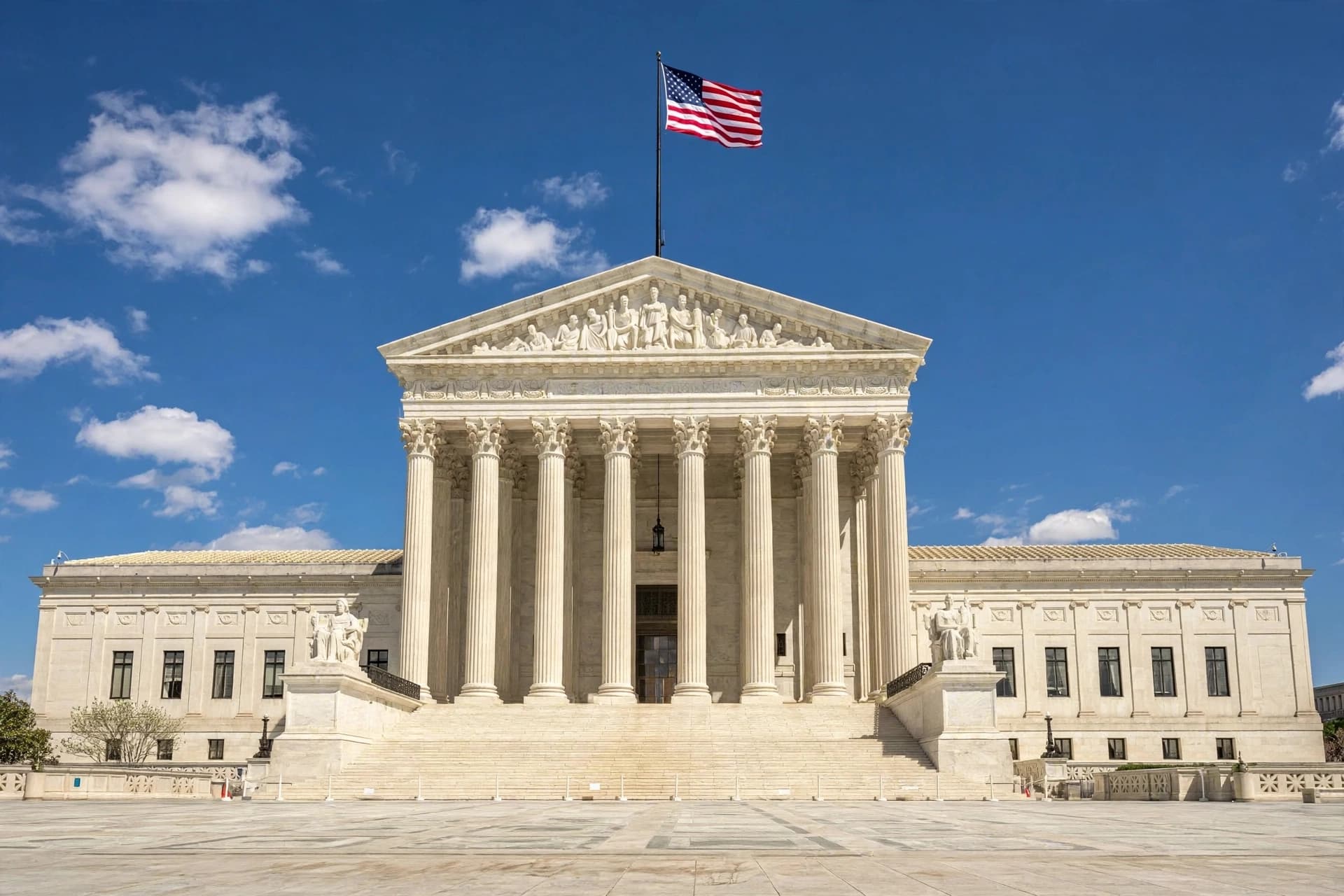
There is a particular rhythm to the Supreme Court's year—a rhythm that begins on the first Monday in October, when the justices return to the bench, and continues through the winter and spring as the docket fills with cases that will shape American life in ways both immediate and lasting. This term, the 2026-2027 session, opens with a docket that legal scholars describe as quieter than last year's blockbuster term—but that is almost certainly a temporary condition. As Mark Rienzi of Catholic University told the ABA Journal, "By December or January, we may look up and have three or four huge things that we didn't know were coming" .
The term opened Monday with Suncor Energy v. County Commissioners of Boulder County, a climate change case that could determine whether state and local governments can sue fossil fuel companies for damages caused by global warming . Boulder County and the City of Boulder sued Suncor and Exxon Mobil under state common law claims, alleging the companies deceived the public about the dangers of their products. The companies argue that federal law—specifically the Clean Air Act—preempts those claims. Justice Samuel Alito recused himself, leaving the possibility of a 4-4 split . During arguments, Justice Amy Coney Barrett questioned the companies' argument, noting that it clashed with the Trump administration's own position that the EPA lacks authority to regulate emissions .
In December, the court will hear Viramontes v. Cook County, consolidated with Grant v. Higgins, a major Second Amendment case involving whether the Constitution protects the right to own AR-15s and similar semiautomatic rifles. The case involves challenges to assault weapons bans in Cook County, Illinois, and the state of Connecticut. Estimates in the briefs suggest between 16 million and 25 million such weapons are owned by Americans . The court will also consider Kian v. Florida, which asks whether the Sixth Amendment requires a twelve-person jury for serious felonies, and Republican National Committee v. Mi Familia Vota, involving the National Voter Registration Act .
Immigration remains a central focus. The court has agreed to hear a case on whether the Trump administration can deport migrants to "third countries" they have no ties to without giving them meaningful notice or an opportunity to contest removal. A federal judge in Boston had ruled the policy unlawful, and the Supreme Court allowed it to continue while litigation proceeds—but has now agreed to decide the merits . The court will also consider whether immigrants arrested inside the U.S. can be detained indefinitely without bond hearings, a policy that has led to tens of thousands being held as they await removal proceedings .
What is notably absent from the early docket are the blockbuster cases involving President Trump's personal policies—his tariffs, his firings of agency leaders, his attempt to restrict birthright citizenship. Those were the defining cases of last term. This term, the court returns to the broader constitutional questions that have been building for years. The justices have agreed to hear 27 cases so far, with perhaps 30 more slots to be filled. For now, the arguments begin. The decisions will follow. And the country will live with whatever the court decides.
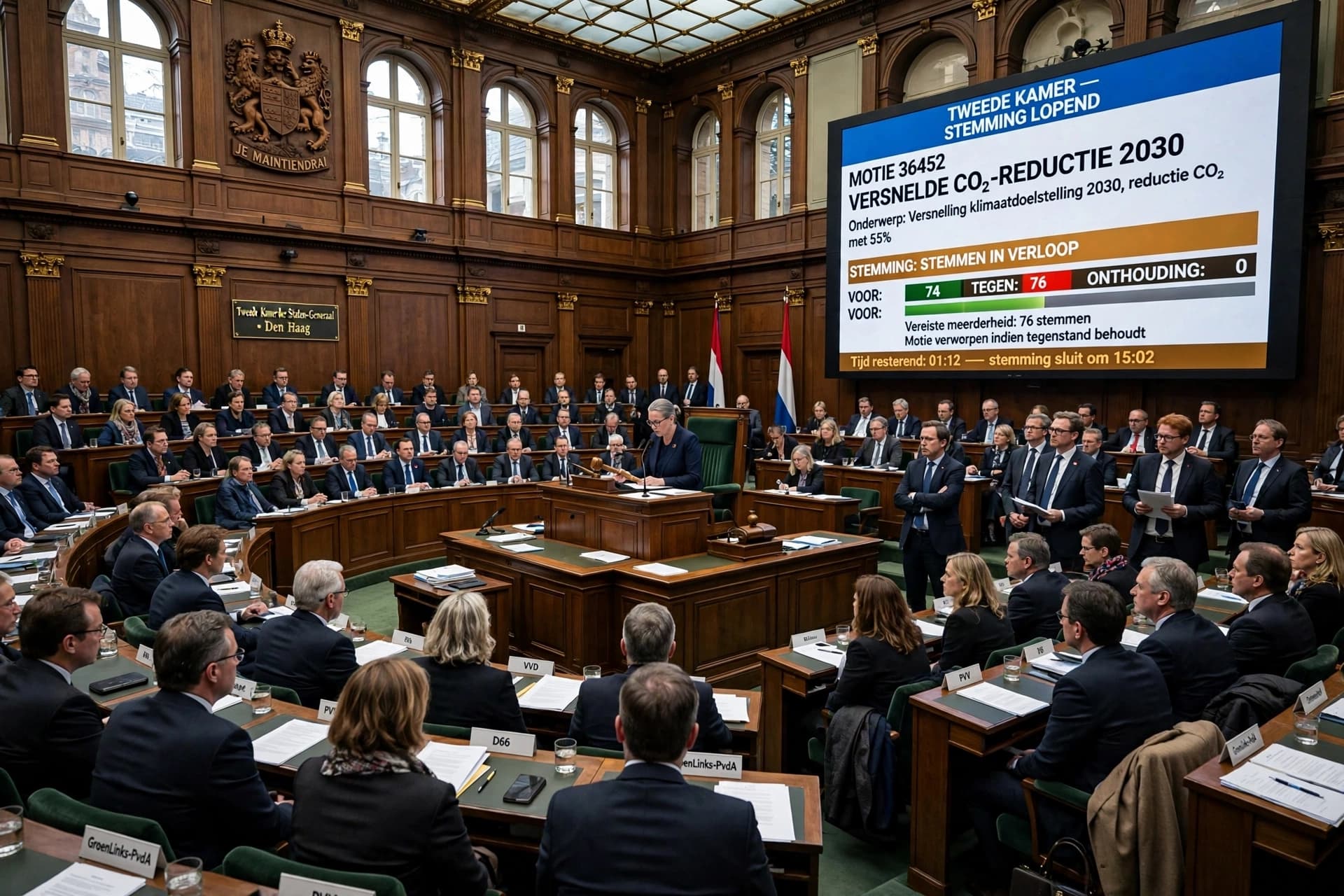
AI Image Disclaimer: The visual elements in this article were created using AI generation tools and are intended for illustrative purposes only.
Sources: SCOTUSblog, ABA Journal, CNN, Washington Examiner, National Constitution Center, DC Bar, Associated Press
Published by Banx Network. This article is part of the Banx decentralized media programme, powered by the BXE token on the XRP Ledger.