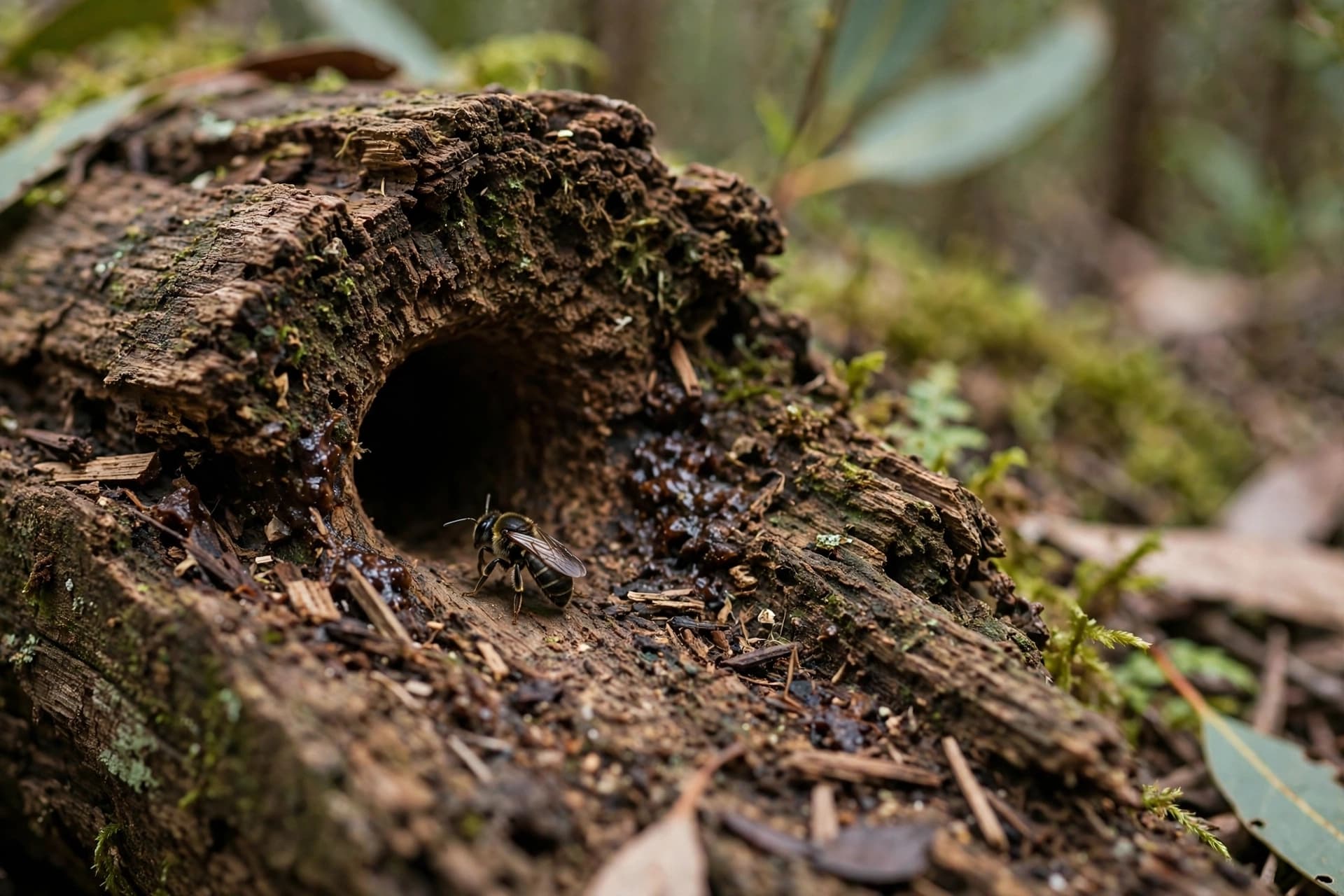
In the tropical forests of Australia, in hollow logs and crevices, small bees build their nests without stings. They are called sugarbag bees, and for tens of thousands of years, Indigenous communities have known their honey as food and medicine—a remedy for sore skin, a treatment for wounds. What the bees have known, science is only now beginning to understand.
New research from the University of Sydney has found that honey and propolis produced by Australia's native stingless bees possess antimicrobial properties that remain effective even after heat treatment and long-term storage. The honey stopped the growth of every bacterium tested, including hospital pathogens of growing concern such as Pseudomonas aeruginosa and Klebsiella pneumoniae—bacteria that have become increasingly difficult to treat with conventional antibiotics . The findings offer a potential new front in the global fight against antimicrobial resistance.
The study tested honey and propolis from Tetragonula carbonaria, one of Australia's native stingless bee species, against sixteen bacterial and fungal pathogens. The honey's potency was comparable to medical-grade Manuka and Jarrah honeys, and it was also active against fungi that cause ringworm and athlete's foot . What distinguishes stingless bee honey from the honey of the European honeybee is a matter of chemistry. European honeybee honey often relies on hydrogen peroxide for its antimicrobial effects. Stingless bee honey exhibits high levels of both hydrogen peroxide and non-peroxide activity, making it more robust and versatile .
"We discovered the antimicrobial activity is consistent across all sugarbag samples tested, unlike honeybee honey, which can vary significantly based on seasonal changes and floral sources," said Professor Dee Carter, a co-author of the research . That consistency matters for medical applications, where reliability is as important as potency.
What the researchers have not yet identified is precisely why the honey works. Neither the honey's activity nor the propolis's could be explained by the usual known compounds, suggesting that stingless bees produce as-yet-unidentified antimicrobials—compounds that could offer valuable leads for new drugs as resistance to existing antibiotics grows . "Now that we've shown how powerful sugarbag honey is, the next step is finding out what makes it so effective, because those compounds could offer new ways to tackle difficult infections," said Dr Kenya Fernandes, who supervised the research .
The challenge, as with many natural products, lies in scale. Each stingless beehive produces about half a liter of honey a year, far less than commercial honeybee operations . But researchers note that these hives require less maintenance than traditional beehives, allowing beekeepers to manage larger numbers. With proper incentives, including commercial value for the honey, scaling production is feasible. The honey gained approval from Food Standards Australia New Zealand last year, opening a pathway for national and international commercialization .
What the bees offer, ultimately, is not a replacement for antibiotics but a complement—a reminder that the natural world contains solutions that have been refined over millions of years. Microbes generally do not develop resistance to honey, unlike conventional antibiotics that often operate through a single mechanism . The sugarbag bee, small and stingless, has been making medicine in the dark of the forest for longer than humans have known how to write. The work now is to learn what it knows.
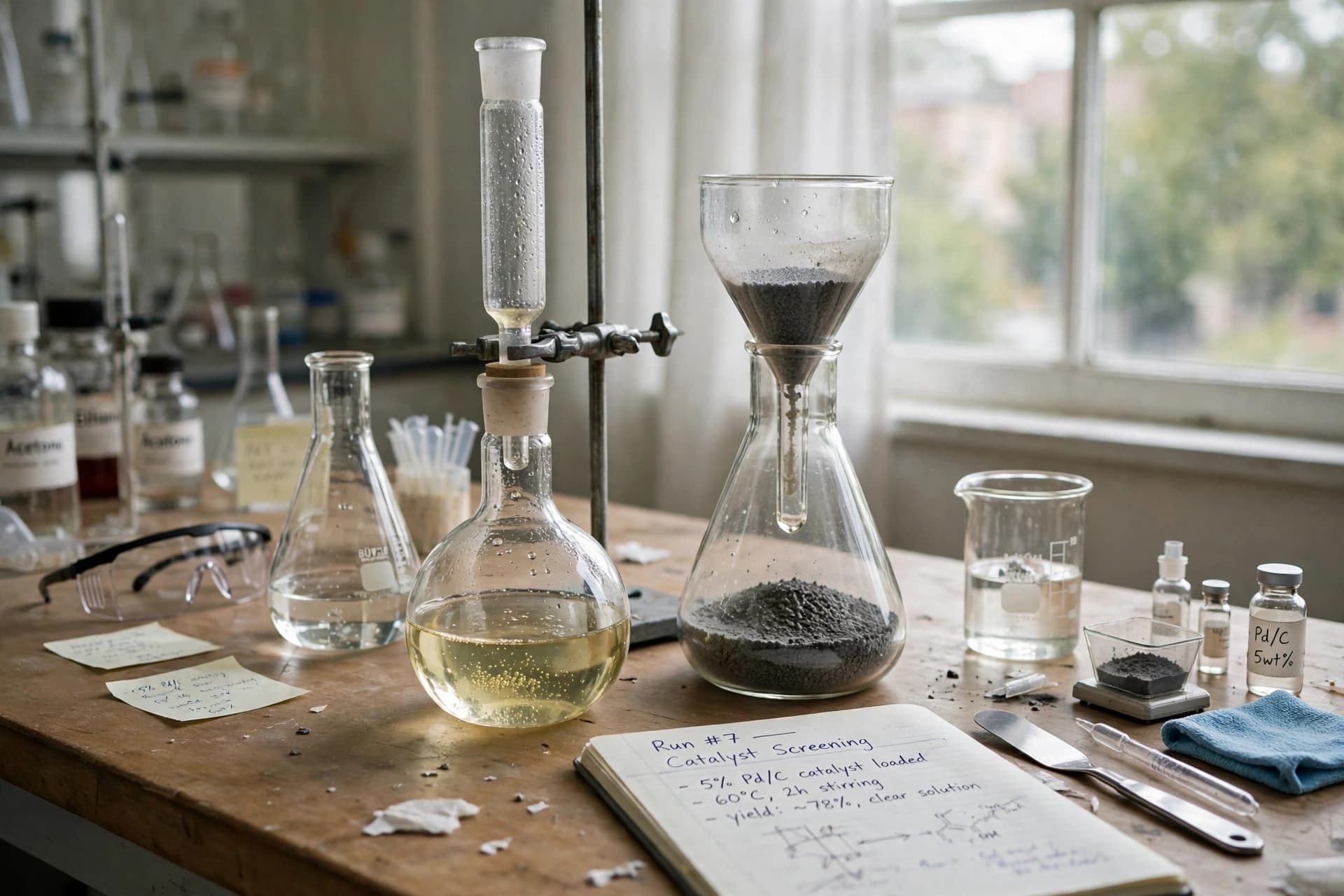
The images accompanying this article are AI-generated and are not photographs of the bees or the research described.
Sources: University of Sydney, Scimex, EurekAlert, Applied and Environmental Microbiology
Published by Banx Network. This article is part of the Banx decentralized media programme, powered by the BXE token on the XRP Ledger.