Some elections are not really about who wins the chair. They are about who still owns the narrative.
In India, a state election in Bihar is now being read like a biopsy of national mood — a quiet test of Prime Minister Narendra Modi’s strength after ten years of political dominance.
Bihar is not the financial center. Bihar is not the tech hub. Bihar is not the cultural megaphone that sells movies and fashion to the rest of the country. Bihar is something more important in moments like this: a plain-spoken barometer of what ordinary people still feel under the slogans. A vote here often reveals the real temperature of discontent or loyalty.
The ruling machine in Delhi would prefer this to be routine. A regional affair. A small race in a rural state with complicated micro-coalitions and hyper-local calculations. But political markets do not care what the capital prefers. They only care how many voters still believe that the national project is working for them — not on social media, but inside their wallets.
This is where the poetry of power always cracks: history doesn’t announce its pivot points. They usually look like “just another election.” And then — a number comes out of a counting center — and a narrative shifts.
If Bihar tilts away, even slightly, analysts will read that like a tremor underneath a skyscraper. If Bihar stays with the ruling current, analysts will say the prime minister’s mandate remains intact.
Either way, voters here are not just filling a state legislature. They are drawing a line — on what kind of India they want to live in next.
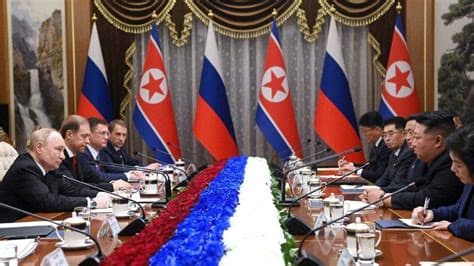
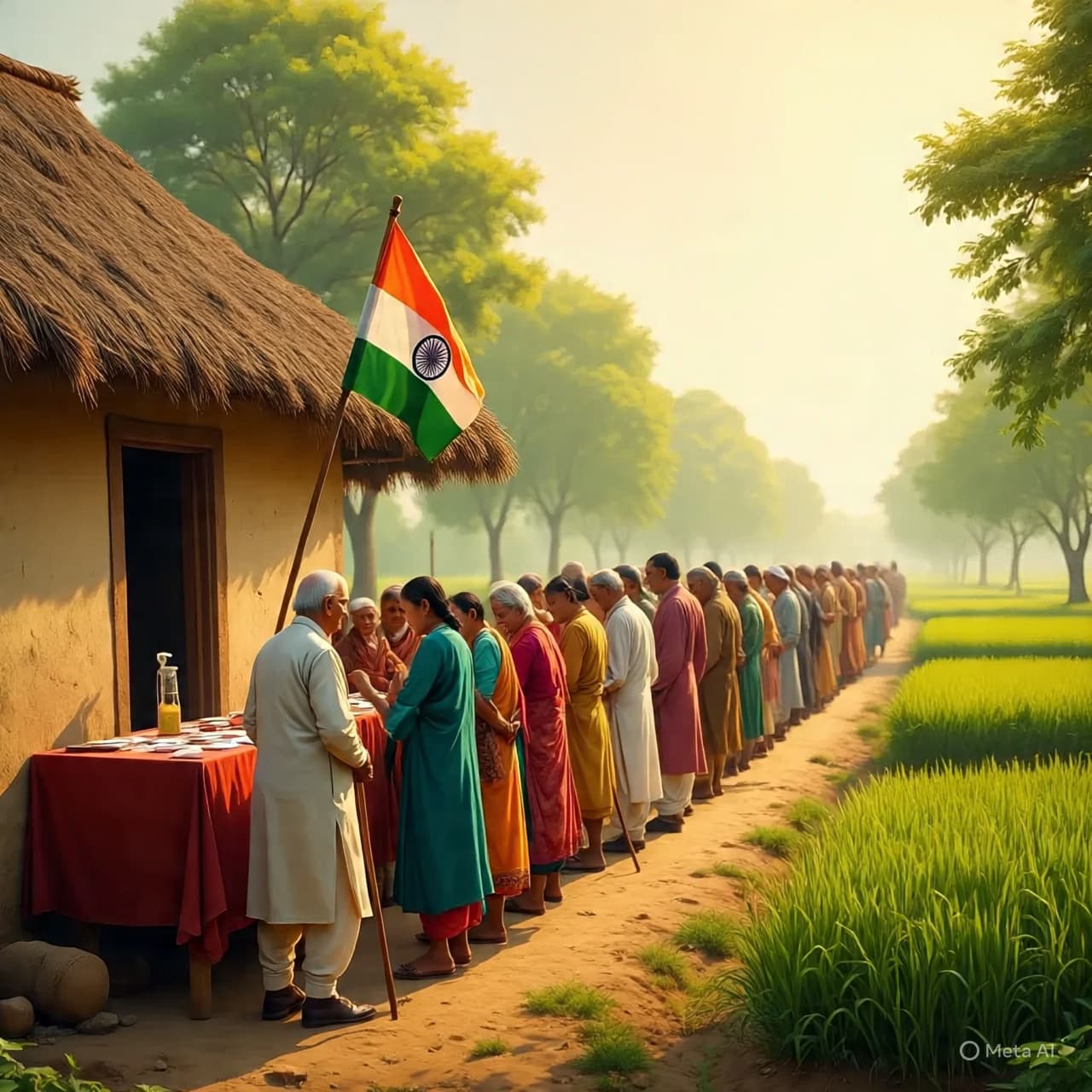
AI image disclaimer Descriptions above are purely illustrative concepts, not actual imagery.
Published by Banx Network. This article is part of the Banx decentralized media programme, powered by the BXE token on the XRP Ledger.