
Key Highlights
- Marine biodiversity in the Adriatic has increased by 25% in protected zones.
- Local fishermen report a resurgence in fish populations and water clarity.
- The 'Blue Adriatic' initiative has introduced new regulations to protect marine ecosystems.
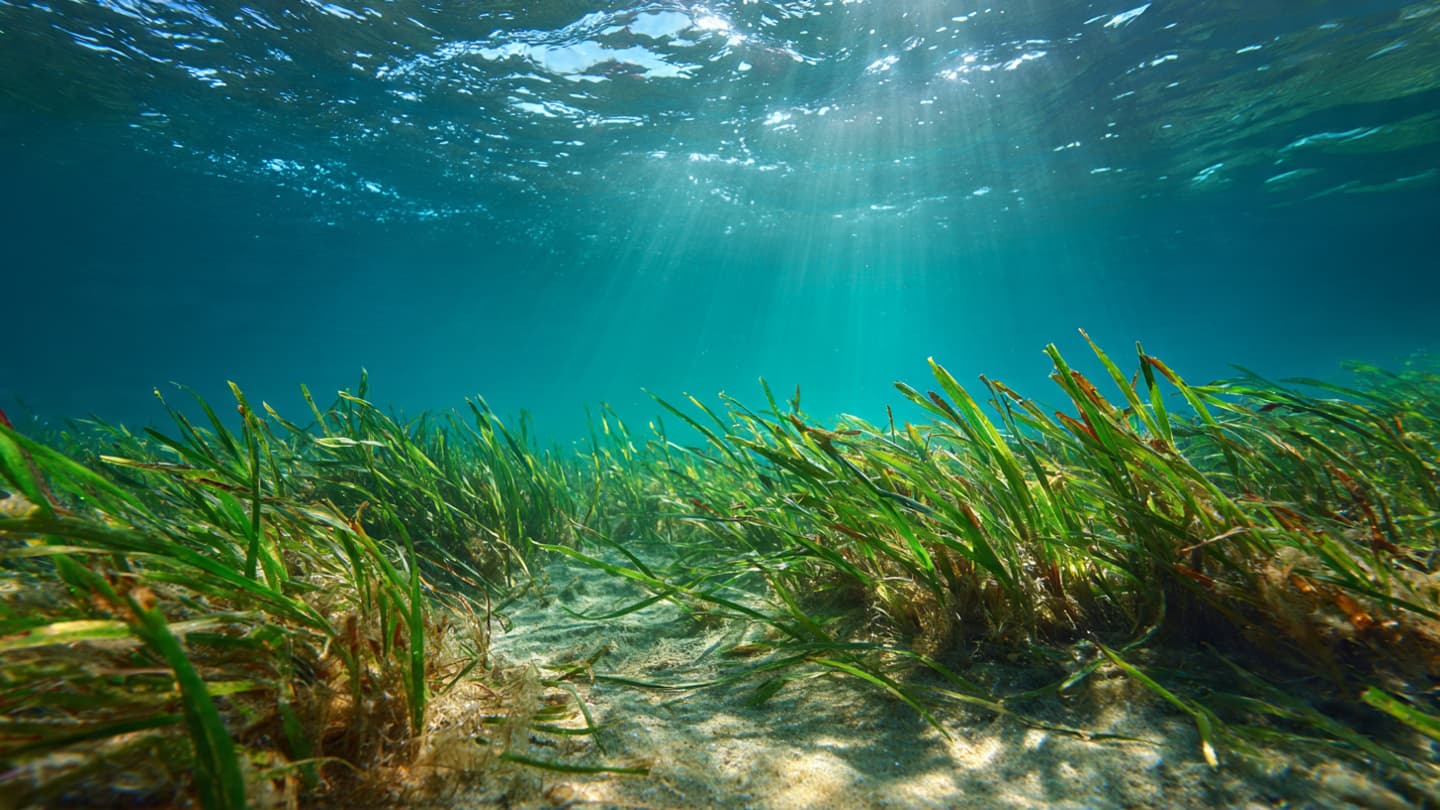
The Adriatic Sea, where its azure waters meet the rugged Balkan coastline, is witnessing a remarkable transformation. After years of environmental concern, the marine ecosystems are showing signs of recovery, with local reports indicating a resurgence of marine life. This revitalization is not merely a fleeting moment; it represents a significant shift in the health of the Adriatic's underwater habitats, as seagrass meadows flourish and fish populations rebound.
The clarity of the water reflects a deeper narrative of ecological resilience. The posidonia oceanica, often referred to as the lungs of the sea, is reestablishing itself, creating vital habitats for various marine species. This underwater vegetation plays a crucial role in maintaining the ecological balance, providing shelter and nourishment for smaller fish and other marine organisms. The return of these ecosystems is a testament to the sea's ability to heal when human pressures are alleviated, even if just slightly.
Local fishermen, whose families have relied on these waters for generations, express a cautious optimism about the changes they are witnessing. They note an increase in the variety of their catch and improved water clarity during the summer months. Their insights, rooted in years of experience rather than academic study, highlight the intimate connection between the community and the sea. For them, the health of the Adriatic is not just an environmental issue; it is a matter of cultural heritage and legacy.
The recovery of the Adriatic's marine life is also supported by scientific research. Modern conservation efforts, such as the 'Blue Adriatic' initiative, have introduced regulations aimed at reducing industrial runoff and protecting marine habitats. Research vessels equipped with advanced technology are now monitoring the ecosystem's health, documenting the return of species like seahorses and tracking changes in water temperature. These efforts underscore the importance of a collaborative approach that combines traditional knowledge with scientific inquiry.
As the sun sets over the Adriatic, casting golden hues across the water, the sea stands as a witness to the region's history and its potential for renewal. The remnants of ancient civilizations along the coastline serve as a reminder of the enduring relationship between humanity and the natural world. This relationship is characterized by a commitment to stewardship and a recognition of the ocean's vital role in our survival.
The resurgence of marine life in the Adriatic is not just a local phenomenon; it carries implications for broader environmental conservation efforts. The increase in biodiversity markers within protected maritime zones, reported at 25% over the last three years, signals a positive trend that could inspire similar initiatives in other regions. The narrative of recovery suggests that with concerted effort and respect for natural rhythms, restoration is possible.
In conclusion, the Adriatic Sea's recovery is a story of hope and resilience, reflecting the interconnectedness of ecosystems and communities. As the moon rises over the tranquil waters, it symbolizes a future where the sea continues to thrive, offering a sanctuary for marine life and a source of sustenance for generations to come.
Published by Banx Network. This article is part of the Banx decentralized media programme, powered by the BXE token on the XRP Ledger.



