

Key Highlights
- Bill Failure:The UK’s Terminally Ill Adults (End of Life) Bill failed to pass due to time constraints in the House of Lords.
- Public Support:The bill had significant backing from the House of Commons and public opinion.
- Future Prospects:Advocates plan to revive the legislation in the next parliamentary session.
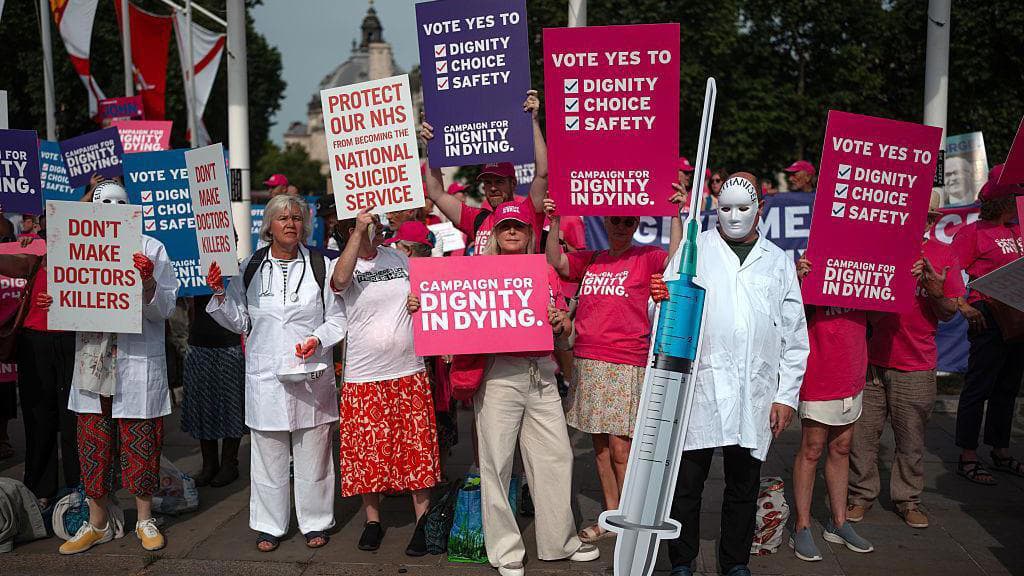
The UK’s proposed Terminally Ill Adults (End of Life) Bill, which aimed to allow terminally ill individuals to seek assistance in ending their lives, failed to become law as parliamentary time ran out before it could be voted on in the House of Lords. This legislation had garnered substantial support from Members of Parliament (MPs) in the House of Commons, who voted in favor of it amidst significant public backing and a lengthy debate.
The bill sought to provide adults with terminal illnesses, specifically those with a prognosis of six months or less, the option to request assistance in dying, contingent upon approval from two doctors and an expert panel. However, the bill faced considerable opposition, encountering over 1,200 amendments in the Lords, a record high for a private member's bill. Critics argued that these proposed changes underscored significant gaps in the legislation's safeguards, particularly concerning the protection of vulnerable individuals.
Labour MP Kim Leadbeater, the bill's sponsor, expressed her disappointment at the outcome, stating, "There was a real sense of sadness and sorrow" regarding its failure. Despite this setback, she remains hopeful for the bill's return in the next parliamentary session, noting that many MPs are prepared to support its reintroduction. Leadbeater's sentiments reflect a broader desire among advocates to continue pushing for legislative change.
Lord Charlie Falconer, who led the bill through the House of Lords, voiced his frustration with the procedural delays that contributed to the bill's failure. He indicated that the setback stemmed from bureaucratic hurdles rather than issues of merit. Falconer highlighted the emotional toll on terminally ill citizens who had shown immense courage throughout the legislative process, stating that they felt bewildered by the actions of the Lords.
Opponents of the bill, including Paralympian Baroness Tanni Grey-Thompson, argued that it was fraught with problems and failed to adequately protect those most at risk. Baroness Coffey echoed these concerns, emphasizing the importance of ensuring that any changes do not jeopardize the rights of vulnerable populations. Their critiques reflect a significant divide in perspectives on how best to approach end-of-life legislation.
Despite the setback, supporters are determined to advocate for the revival of the legislation in the next parliamentary session. There is ongoing discussion about leveraging the Parliament Acts, which allow for the passage of bills through the Commons even if rejected by the Lords. This would represent a significant step forward, as it enables parliamentary approval without requiring consent from peers, a rare but feasible route for this bill.
As the debate continues, many advocates believe that the momentum generated by public dialogue surrounding end-of-life choices should not be squandered. Charities focused on palliative care emphasize that discussions about assisted dying are crucial for broader reforms in end-of-life care. While the struggle for assisted dying legislation may have faltered this time, the morale among supporters suggests that the dialogue will persist, with hopes for eventual legislative success.
Published by Banx Network. This article is part of the Banx decentralized media programme, powered by the BXE token on the XRP Ledger.




